Enhancing Your Garden Design with the Sevenleaf creeper Plant: A Landscaping Guide
1
Grasping the visual charm of Sevenleaf creeper aids in its successful integration into your garden layout.
2
Sevenleaf creeper flourishes under particular light and ground conditions; understanding these ensures its best positioning.
3
Through thoughtful design, Sevenleaf creeper can become a striking feature in contemporary gardens, complementing other flora.
Introducing Sevenleaf Creeper in Landscape Design
Understanding the visual appeal of Sevenleaf creeper
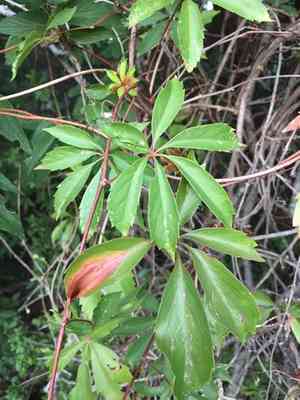
The allure of Sevenleaf creeper stems from its distinctive seven-leaflet arrangement and vibrant, verdant foliage. This visual charm makes it a captivating addition to any garden or outdoor space. Its inherent climbing habit can adorn fences, walls, and trellises, forming an enchanting, green drape. Whether aiming to infuse a natural element into an urban setting or amplify your garden's rustic beauty, Sevenleaf creeper provides adaptability and an aesthetically pleasing solution.
Sevenleaf creeper's role in sustainable landscape practices
Beyond its beauty, Sevenleaf creeper contributes significantly to eco-friendly landscaping. Its dense growth can mitigate soil erosion by acting as ground cover, and it fosters biodiversity by providing shelter and sustenance for insects and birds. Furthermore, Sevenleaf creeper can boost energy efficiency; when cultivated against structures, it can serve as a natural insulator, moderating indoor temperatures and potentially lowering utility costs.
Optimal Placement of Sevenleaf Creeper in Landscape Planning
Assessing sunlight and shade requirements
Sevenleaf creeper thrives best in locations receiving full sun to partial shade. While it tolerates various light conditions, ensuring it gets at least six hours of direct sunlight daily will encourage robust growth and vivid foliage. Planting it in excessive shade may lead to sparse development and less vigorous climbing.
Considering soil types and drainage necessities
Regarding soil preferences, Sevenleaf creeper is remarkably adaptable but flourishes in well-draining, loamy soils. To achieve this, you can enhance heavy clay or poor, sandy soils by incorporating organic matter such as compost. Proper drainage is vital; waterlogged conditions can cause root rot, compromising the plant's health and longevity.
Integrating Sevenleaf Creeper with Other Flora
Companion plants that enhance Sevenleaf creeper's beauty
To highlight Sevenleaf creeper's appeal, consider pairing it with plants that offer contrasting foliage or complementary blossoms. For instance, flowering vines like clematis or morning glories can create a striking visual effect alongside Sevenleaf creeper's greenery. Ground covers such as hostas or ivy can add layers and texture, enriching the overall landscape design.
Avoiding plant conflicts: Species to keep away from
While Sevenleaf creeper is adaptable, it's crucial to avoid planting it near aggressively competitive species that might overshadow or choke it. Invasive plants like English ivy or vigorous ground covers such as vinca may vie for resources, hindering Sevenleaf creeper's growth. Planning for spatial harmony ensures Sevenleaf creeper and its companions flourish together.
Seasonal Considerations for Sevenleaf Creeper
What to expect from Sevenleaf creeper throughout the year
Across the seasons, Sevenleaf creeper undergoes visual transformations. In spring and summer, anticipate a lush canopy of green leaves and vigorous growth. In autumn, the foliage often develops a stunning reddish hue, adding seasonal interest. Even in winter, the bark and vine structure can provide architectural beauty to the landscape.
Preparing Sevenleaf creeper for seasonal transitions
Ensuring Sevenleaf creeper remains healthy through seasonal changes involves several key tasks. In fall, consider mulching to protect the roots from cold temperatures. Pruning in late winter or early spring promotes healthy growth. Regular watering, especially during dry periods, keeps the plant hydrated, while preventing overwatering avoids root problems.
Long-Term Care and Maintenance Advice for Sevenleaf Creeper
Routine tasks for maintaining Sevenleaf creeper's health
To keep Sevenleaf creeper thriving, consistent care activities are essential. These include periodic pruning to manage its growth and remove any dead or diseased branches. Fertilizing in early spring with a balanced fertilizer supports vigorous growth. Monitoring for pests and diseases helps address any issues before they become severe.
Addressing common challenges encountered with Sevenleaf creeper
Despite its hardiness, Sevenleaf creeper can face certain challenges like pest infestations or fungal diseases. Common pests include aphids and spider mites, which can be managed with organic insecticides or natural predators. For fungal problems, proper spacing and air circulation, along along with suitable fungicides, can keep issues at bay.
Creative Applications of Sevenleaf Creeper in Contemporary Landscapes
Innovative design concepts incorporating Sevenleaf creeper
Sevenleaf creeper offers numerous creative uses. It can be trained over arbors to form natural, green tunnels or utilized to create living walls that add vertical interest to urban gardens. Sevenleaf creeper can also form attractive ground covers on slopes, providing both functional and decorative benefits. Employing Sevenleaf creeper in these inventive ways can significantly enhance the aesthetic and ecological value of your landscape.
Case studies or examples of Sevenleaf creeper in acclaimed gardens
In award-winning gardens, Sevenleaf creeper has been used to dramatic effect. For instance, one celebrated garden employed Sevenleaf creeper to create a multi-layered green wall that served as a lush backdrop for colorful perennials and annuals. Another successful design featured Sevenleaf creeper weaving through a modern pergola, creating a seamless blend of architecture and nature, showcasing its versatility and appeal in contemporary garden design.



