How to Prune Spatterdock?
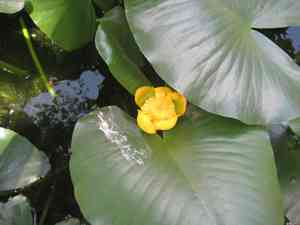
This water-dwelling perennial, recognized by its buoyant leaves and golden blooms, flourishes in calm aquatic environments. Crucial spatterdock maintenance includes excising withered or discolored leaves and faded flowers to preserve its appearance and well-being. The most suitable times for this task are from spring to autumn, during the plant's active development phase. Trimming improves light penetration and diminishes accumulated organic matter, thereby discouraging infestations and ailments. Eliminate aggressive or superfluous growth to avert congestion. Proper trimming supports vitality and encourages vigorous fresh development.
Advantages of Trimming Spatterdock
Advantages of Trimming Spatterdock
Trimming spatterdock promotes more abundant flowering, revitalizes its development, and maintains a manageable shape. These actions help spatterdock allocate resources efficiently for a healthier life cycle.
Optimal Period for Pruning Spatterdock
Optimal Period for Pruning Spatterdock
Late Spring is an ideal time for pruning spatterdock as it is after the risk of frost has passed, which can potentially harm new growth. Early Summer pruning aligns with the plant's active growth phase, allowing spatterdock to recover quickly and continue its development. Early Fall is also suitable because it offers a window for trimming before the plant begins to enter dormancy in preparation for winter. Pruning during these seasons encourages healthy growth, minimizes stress on spatterdock, and avoids interfering with its blooming cycle, typically in the spring and summer months. Pruning in late fall or winter is not recommended, as it can expose spatterdock to damage from cold temperatures and disease.
Essential Tools for Pruning Spatterdock
Long-handled Loppers
Loppers with extended handles can reach into aquatic environments where spatterdock typically thrives, allowing gardeners to trim stems without extensive wading.
Heavy-duty Pruning Shears
Given the relatively thick and robust stems of spatterdock, heavy-duty pruning shears are essential to ensure a clean cut without harming the plant or tool.
Gardening Gloves
To safeguard hands from water and potentially sharp stem edges, durable waterproof gloves are indispensable.
Aquatic Weed Rake
For larger-scale pruning or management, an aquatic weed rake can assist in gathering and removing substantial amounts of foliage if necessary.
How to Prune Spatterdock
Clean tools
Before beginning, ensure all pruning tools are clean and sharp to prevent the spread of disease to spatterdock.
Identify
Examine spatterdock closely to identify diseased leaves, withered leaves, and withered flowers that require removal.
Cut diseased leaves
Using your tools, carefully cut off the diseased leaves at the base where they connect to the stem, ensuring you do not damage any healthy parts of spatterdock.
Remove withered leaves
Gently remove withered leaves by cutting them at their base as well, which will promote healthier growth and improve the overall appearance of spatterdock.
Trim withered flower
Trim back withered flowers to the nearest healthy set of leaves to encourage reblooming and prevent energy wastage in spatterdock.
Common Pruning Errors with Spatterdock
Over pruning
Removing too much foliage at once, which can stress spatterdock and lead to poor health or reduced vigor.
Improper cut location
Cutting too close to the main stem or rhizome can damage spatterdock, while leaving too much of a stub can lead to disease.
Using dull tools
Pruning with dull or dirty equipment can cause unnecessary injury to spatterdock and increase susceptibility to pests and diseases.
Ignoring dead or damaged leaves
Failing to remove dead or damaged leaves can inhibit new growth and affect the overall health of spatterdock.
Pruning healthy leaves
Indiscriminate pruning without assessing the health of leaves can lead to the removal of vital growth, weakening spatterdock.
General Pruning Advice for Spatterdock
Clean cut
Make sure to use sharp, clean pruning shears to make clean cuts that will heal quickly without harming spatterdock.
Judicious pruning
Focus pruning efforts on dead or dying foliage and spent flowers to redirect spatterdock's energy into producing new growth and blooms.
Cut angle
Cut leaves and stems at a slight angle away from the main plant to prevent water accumulation and reduce the risk of rot.
Aftercare
After pruning spatterdock, ensure that the plant has adequate water and nutrients to recover and encourage new growth.
Rhizome health
Inspect the rhizome of spatterdock for signs of rot or damage when pruning, removing any sections that are unhealthy to prevent the spread of decay.



