How to Propagate Spatterdock?
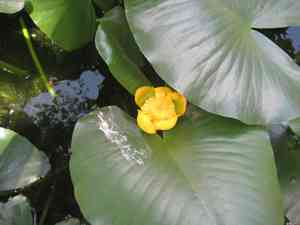
Nuphar advena flourishes when reproduced from its rhizomes. Cultivators ought to meticulously detach these rhizomes from the primary specimen, making certain each segment possesses sufficient root structure for autonomous development. Insert the segments into aquatic substrate or directly into the water, keeping the depth shallow at first to aid root establishment and acclimation. Peak growth is achieved in settings with ample sunlight to moderate shade and fertile, waterlogged earth.
Optimal Time for Spatterdock Propagation
Propagation Method
Utilize The Tubers
Propagation Period
Spring
Tools Required for Spatterdock Propagation
Garden Knife
A garden knife is crucial for precise cutting and division of spatterdock tubers. This instrument ensures clean cuts without harming the tubers, promoting healthier regrowth and successful propagation.
Watering Can with Fine Rose
After placing the divided spatterdock tubers into soil or a water-based medium, a watering can with a fine rose attachment is advantageous. It allows for gentle irrigation that doesn't disrupt the soil or tuber placement, maintaining necessary moisture for root development.
Gloves
Gardening gloves offer essential protection when handling spatterdock and its tubers. These gloves prevent potential skin irritation from extended wetness and shield hands from sharp objects in the soil.
Propagation Tray with Humidity Dome
For those propagating spatterdock indoors or in controlled environments, a propagation tray with a humidity dome is beneficial. It helps maintain consistent moisture and temperature, vital for successful root establishment of newly divided tubers.
Trowel
A trowel is used for digging and positioning spatterdock tubers within the soil. It aids in creating appropriately sized holes or trenches for the tubers, which is necessary to ensure they are planted at the correct depth for optimal growth.
Post-Propagation Care for Your Spatterdock
How to Care for Your Newly Propagated Spatterdock?
Once spatterdock begins to grow, ongoing care involves maintaining adequate water levels and nutrient availability. Regularly inspect the aquatic environment for any changes in water quality or signs of disease. Fertilize annually with a slow-release aquatic plant fertilizer to ensure nutrient-rich surroundings. In colder regions, monitor ice formation during winter, as spatterdock can be sensitive to extreme cold under ice cover.
Common Errors to Avoid When Propagating Spatterdock
Neglecting water quality
Using inferior water can hinder root development in spatterdock. This species thrives in specific water conditions, and overlooking pH and cleanliness can lead to weak plants susceptible to disease.
Overcrowding plants
Spatterdock requires space for its rhizomes to expand. Planting too closely restricts growth and reduces access to nutrients, affecting the plant's overall health and vigor.
Incorrect depth setting
Placing spatterdock's rhizomes too shallow or too deep can result in poor root establishment. Each depth impacts water and nutrient absorption differently, potentially weakening the plant.
Advice for Propagating Spatterdock
Rhizome cutting
Select healthy sections of spatterdock's rhizome and cut with a clean, sharp tool. Each segment should possess at least one growth point to ensure successful rooting.
Water management
Maintain stable and suitable water conditions by regularly checking and adjusting pH levels. Spatterdock thrives in well-aerated, clean water, ensuring robust growth.
Use of containers
Starting spatterdock in smaller, controlled containers can help manage growth conditions more efficiently before transplanting into a larger aquatic environment. This practice aids in monitoring health and growth precision.



