How to Prune Desert tobacco?
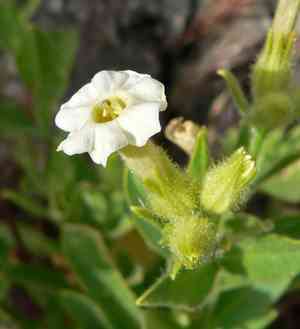
A member of the Solanaceae family, desert tobacco is a robust perennial recognized for its capacity to endure arid environments. Proper trimming guarantees vigorous development and abundant blooms. For pruning, eliminate deceased or compromised stalks and judiciously reduce excessive growth to preserve its form. Spring pruning revitalizes the specimen, summer trimming manages its dimensions, and autumn cuts ready it for its dormant phase. Regular thinning improves air movement, averting illnesses prevalent in thicker foliage. Always disinfect implements to prevent the dissemination of disease agents.
What Are the Benefits of Pruning Desert Tobacco?
What Are the Benefits of Pruning Desert Tobacco?
Trimming desert tobacco is crucial for promoting robust development and maintaining its form. Through selective cutting, gardeners can foster a strong framework and enhance the plant's visual appeal. This process also helps desert tobacco distribute energy efficiently, supporting its health and vigor.
What Is the Best Time for Pruning Desert Tobacco?
What Is the Best Time for Pruning Desert Tobacco?
Pruning desert tobacco in early Spring promotes vigorous growth as the plant emerges from its dormant winter phase, ready to direct resources to new development. Late Summer pruning can be done to shape the plant or remove parts damaged by peak summer conditions, preparing desert tobacco for healthy growth in the coming year. Early Fall pruning is suitable as it allows desert tobacco to heal before winter's arrival while ensuring it doesn't stimulate new growth that could be harmed by freezing temperatures. These seasons are optimal as they align with desert tobacco's growth cycle, enabling the plant to recover from pruning during active growth periods and minimizing stress. Avoiding pruning during flowering ensures the plant's reproductive cycle is not interrupted.
What Tools Do I Need to Prune Desert Tobacco?
Bypass Pruners
Perfect for making clean cuts on the relatively slender stems of desert tobacco, bypass pruners inflict minimal damage to plant tissues, which is crucial for preventing disease entry.
Gloves
Handling desert tobacco can lead to exposure to its nicotine-rich foliage. Durable gardening gloves protect the skin from potential irritation.
Handheld Pruning Shears
For precise shaping and growth control of desert tobacco, handheld pruning shears offer easy maneuverability in tight spaces within the foliage.
Lopping Shears
If desert tobacco has matured to the point of having thicker branches, lopping shears can be used to cut through these with greater leverage than bypass pruners.
Pruning Saw
In the event of older, woody stems that are too thick for loppers, a pruning saw will allow a clean cut without causing undue stress on the plant.
How to Prune Desert Tobacco
Clean Disinfect
Before pruning desert tobacco, thoroughly clean and sanitize the pruning tools to prevent the spread of disease.
Identify Withered
Identify the withered or yellowing leaves on desert tobacco that require removal. These are typically older, lower leaves that have completed their life cycle.
Cut Leaf Base
Using the cleaned tools, precisely snip the withered leaves at their base where they connect to the stem. Ensure the cut is clean and avoid damaging the main stem.
Collect Debris
Gather and remove all trimmed foliage from around the base of desert tobacco to maintain good hygiene and reduce the likelihood of pest infestations.
Water Soil
After pruning, water the soil around desert tobacco if necessary, ensuring that the water reaches the roots but avoiding wetting the freshly pruned areas which could lead to fungal infections.
Common Pruning Mistakes with Desert Tobacco
Overpruning
Removing too much foliage at once can stress desert tobacco, hindering its growth and blooming potential.
Improper Tool Selection
Using dull or dirty pruning tools can damage desert tobacco's stems, potentially leading to disease or poor healing.
Neglecting Deadheading
Failing to remove spent flowers can prevent desert tobacco from producing new blooms as it wastes energy on seed production.
Random Cutting
Indiscriminate cutting can result in a lopsided or poorly structured plant, affecting the overall health and appearance of desert tobacco.
Ignoring Growth Direction
Cutting without considering the direction of new growth can lead to undesirable shapes and may impede sunlight exposure to lower leaves.
Common Pruning Tips for Desert Tobacco
Sharp Tools
Use sharp, clean pruning shears for clean cuts that heal quickly, reducing the risk of disease for desert tobacco.
Deadheading
Regularly remove spent flowers to encourage desert tobacco to produce more blooms and prevent unnecessary seed formation.
Thinning
Thin out crowded areas to improve air circulation, which is essential in preventing disease and promoting healthy growth in desert tobacco.
Pruning For Shape
Prune strategically to maintain a desirable shape and control the size of desert tobacco, focusing on removing awkwardly placed branches that disrupt the plant's symmetry.
Post-Bloom Pruning
After the main bloom, lightly prune desert tobacco to tidy the plant and possibly encourage a second flush of flowers.



