How to Propagate Desert tobacco?
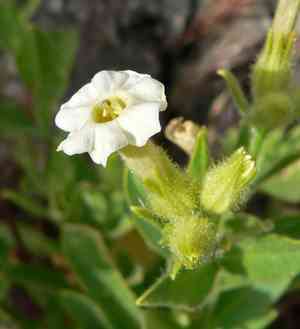
Desert tobacco is generally multiplied by planting its seeds, a procedure that begins with new, fertile seeds to guarantee effective sprouting. For an ideal beginning, utilize a potting mix that drains efficiently and position the seeds superficially, as they need illumination to germinate. Consistent, yet moderate, irrigation is crucial for preserving the soil's dampness without inducing oversaturation, which could damage the young plants. Careful attention during the initial phases of development will secure a more robust foundation for desert tobacco, resulting in thriving, fully grown specimens.
Optimal Time for Desert Tobacco Propagation
Propagation Method
Seeding
Propagation Period
Spring
Tools for Desert Tobacco Propagation
Seed trays
Seed trays are vital for initiating desert tobacco from seeds. They enable uniform distribution and organization, offering ample room for initial development. Trays help maintain ideal moisture and temperature, crucial for seed germination.
Fine-grained soil mix
A fine-textured soil blend ensures desert tobacco seeds have the best medium for sprouting. Its texture promotes proper air circulation and water retention, key factors for the delicate germination phase of desert tobacco.
Misting bottle
A misting bottle is used to gently hydrate desert tobacco seeds without dislodging them. The fine mist ensures even moisture distribution, essential for germination, preventing soil erosion or seed disruption.
Heat mat
Given desert tobacco's preference for warm germination, a heat mat can maintain consistent soil temperature. This is especially useful during cooler months or in environments not naturally meeting desert tobacco's temperature needs.
Grow lights
Grow lights provide the necessary light spectrum to support desert tobacco seedling growth, particularly where natural sunlight is insufficient. These lights mimic natural sunlight, fostering stronger, healthier development.
Dibber or seed dibbler
A dibber or seed dibbler creates uniform holes in the soil for planting seeds at the optimal depth. This ensures desert tobacco seeds are not sown too deep or shallow, which can impact germination rates and seedling health.
How to Propagate Desert Tobacco?
Propagation Type
Simple
Caring for Newly Propagated Desert Tobacco
Caring for Newly Propagated Desert Tobacco?
Post-germination, thin seedlings to prevent crowding, and continue providing bright light and moderate moisture. As desert tobacco is desert-adapted, gradually reduce watering to harden the plant. Once established, desert tobacco needs minimal water and thrives in full sun, tolerating poor soil well. Avoid rich soils to prevent excessive, weak growth.
Common Errors to Avoid When Propagating Desert Tobacco
Overwatering
Excessive watering of desert tobacco can cause root rot, as the plant is adapted to arid conditions. Too much soil moisture can suffocate the root system, impairing the plant's overall health and reducing its chances of successful establishment.
Deep planting
Planting desert tobacco seeds too deeply can hinder germination. Desert tobacco seeds require light to sprout effectively, and burying them too deep can impede their access to sufficient light, which is crucial for initiating growth.
Neglecting acclimatization
Failure to acclimatize desert tobacco to outdoor conditions can lead to transplant shock when moving plants from an indoor or controlled environment to outdoors. This can stress the plant, resulting in slow growth or even plant death.
Tips For Propagating Desert Tobacco
Surface sowing
For successful germination, surface sow desert tobacco seeds on well-drained soil, ensuring they are not covered by soil but possibly a light dusting of sand. This mimics their natural desert environment, where seeds germinate on the surface.
Moderate watering
Water desert tobacco moderately, mimicking its desert habitat's natural rainfall patterns. Allow the soil to dry out between waterings to avoid waterlogging and simulate the dry conditions desert tobacco is adapted to.
Gradual acclimatization
Gradually acclimatize desert tobacco to outdoor conditions by exposing it for a few hours daily and slowly increasing outdoor time. This helps the plant adjust to temperature and light fluctuations, reducing shock and promoting healthier growth.



