Enhancing Your Garden Design with the Desert tobacco Plant: A Landscaping Guide
1
Desert tobacco flourishes in soil that drains effectively and receives ample to moderate sunlight.
2
Desert tobacco is suitable for use as either a central feature or an accompanying plant in your outdoor space.
3
Periodically check Desert tobacco for insects and illnesses to ensure its well-being.
Introducing Desert Tobacco in Landscaping
Overview of landscaping and its advantages
Landscaping transforms your outdoor area into an attractive space, boosting its visual appeal and practical use. Whether you desire a peaceful sanctuary or a lively gathering spot, thoughtful planning makes a big difference. Incorporating Desert tobacco offers unique benefits like drought tolerance and attracting pollinators, enriching your garden's ecosystem.
Understanding Desert tobacco's distinct aesthetic appeal
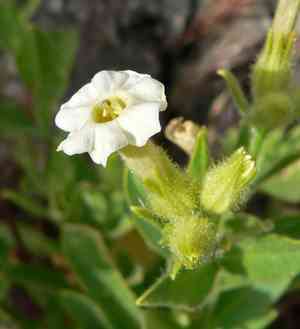
Desert tobacco adds a unique charm to any garden with its delicate blossoms and vibrant leaves. Its natural beauty complements various garden styles, from rustic to modern. The plant's subtle hues can act as a calming backdrop or a gentle focal point, depending on your creative vision. Its ability to thrive in dry conditions makes it a practical choice for sustainable landscaping.
Selecting the Ideal Garden Spot for Desert Tobacco
Evaluating sun and shade needs for optimal development
Desert tobacco thrives best in locations with full to partial sun. Ensure the chosen site receives at least 6 hours of direct sunlight daily, which promotes robust growth and vivid blooms. However, partial shade during the day's hottest hours can prevent leaf burn, especially in extremely warm climates.
Soil type considerations specific to Desert tobacco
For best growth, Desert tobacco prefers well-draining soil. It can tolerate various soil types, but sandy or loamy textures are ideal. Avoid waterlogged areas, as excessive moisture can lead to root rot. Enhancing soil quality with organic matter like compost can improve drainage and provide essential nutrients.
Spacing and planting advice for visual impact
Proper spacing is vital for Desert tobacco to flourish without competing for resources. Plant Desert tobacco approximately 18-24 inches apart to ensure good airflow and reduce disease risk. When planting, dig a hole twice as wide as the root ball, and plant at the same depth it was in the container. This encourages strong root development and a healthy plant structure.
Incorporating Desert Tobacco into Your Existing Landscape
Companion plants that thrive alongside Desert tobacco
Desert tobacco pairs well with other drought-tolerant plants such as lavender, sage, and succulents. These plants share similar water and sunlight requirements, creating a cohesive and low-maintenance garden. The contrasting textures and colors can add depth and interest to your landscape design.
Utilizing Desert tobacco as a focal point or background element
Depending on your garden layout, Desert tobacco can serve as an eye-catching focal point or a supportive background plant. Its height and floral display can create a striking centerpiece in smaller gardens or enhance a layered look in larger landscapes. Use Desert tobacco to draw attention to specific areas or features in your garden design.
Design strategies for year-round visual interest
To ensure continuous visual appeal, combine Desert tobacco with evergreen shrubs and perennials that bloom at different times. This approach guarantees ongoing bursts of color and texture throughout the seasons. Additionally, integrating grasses and other structural plants can provide winter interest when Desert tobacco is not in bloom.
Maintaining Desert Tobacco for Enduring Beauty
Essential care tips to keep Desert tobacco thriving
Regular watering during dry periods is crucial, especially in the first growing season to establish strong roots. Mulch around the base to retain moisture and regulate soil temperature. Pruning spent flowers encourages new blooms and maintains a neat appearance. Fertilize lightly in the spring with a balanced, slow-release fertilizer to support healthy growth.
Addressing common health issues without detailed measures
Regularly inspect Desert tobacco for signs of pests like aphids and caterpillars, which can be managed with organic insecticides or natural predators such as ladybugs. Fungal diseases, often caused by too much moisture, can be minimized by ensuring proper spacing and airflow. Promptly remove any affected leaves to prevent spreading.
Creative Applications of Desert Tobacco in Landscape Design
Creating unique garden themes with Desert tobacco
Incorporate Desert tobacco into various themed gardens such as a desert oasis, Mediterranean courtyard, or English cottage garden. Its versatility allows it to fit seamlessly into these designs, providing both aesthetic charm and resilience. Mixing Desert tobacco with thematic hardscapes and accessories can further enhance the overall garden theme.
Examples of successful landscape projects featuring Desert tobacco
Several award-winning gardens have successfully integrated Desert tobacco into their designs. For instance, a xeriscape garden in Arizona utilized Desert tobacco to create a lush, low-water landscape, while a contemporary backyard in California featured Desert tobacco as focal points around an outdoor seating area. These examples illustrate Desert tobacco's adaptability and visual impact in different settings.



