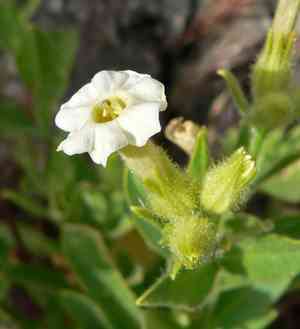
Desert tobacco (Nicotiana obtusifolia)
Also known as: Southwestern Tobacco, Desert Tobacco
Tree tobacco (Nicotiana glauca) is native to the southwestern United States and belongs to the nightshade family. Despite its name, it is highly toxic and not suitable for smoking.
In This Article
Attributes of Desert tobacco
Lifespan
Annual, Biennial, Perennial
Plant Type
Herb
Plant Height
80 cm
Spread
20 cm to 80 cm
Leaf Color
Green
Flower Size
2.5 cm to 5 cm
Flower Color
White Green
Images of Desert tobacco
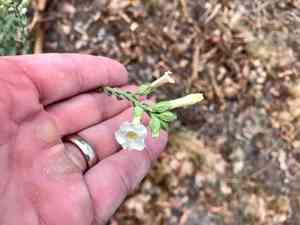
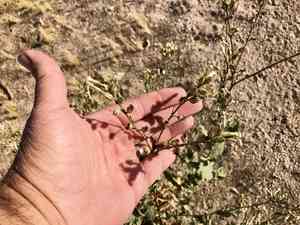
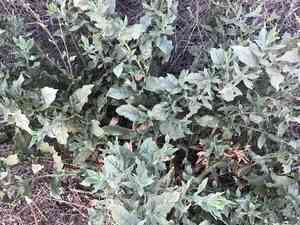
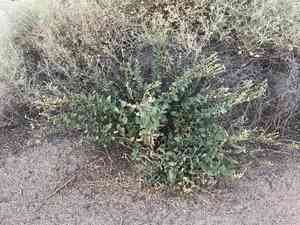
Quickly Identify Desert tobacco
1
Nicotiana obtusifolia can be identified by its long, narrow leaves, which are often sticky to the touch. The flowers are tubular and white to pinkish, with a sweet fragrance that attracts pollinators. The plant typically grows close to the ground in sandy or rocky soils.
Scientific Classification of Desert tobacco
Phylum
Vascular plants
Class
Dicotyledons
Order
Solanales
Family
Nightshade
Genus
Tobacco plants
Species
Desert tobacco
Planting and Growing of Desert tobacco
Care Difficulty
Easy
Watering Schedule
Every 2 days
Sunlight Requirements
Full sun
Sunshine Duration
4-8 hours
Ideal Temperature
70-85℉
Soil Type
Potting Mix, Peat Mix
Soil pH
6.5-7.5
Fertilizer Type
Balanced
Pruning Season
Spring, Summer
Pruning Area
Branches, Leaves
Pruning Frequency
2 times a year
Repotting Season
Spring
Pot Type
Plastic, Ceramic
 How to Water Desert tobacco?
It's important to water Nicotiana obtusifolia thoroughly, ensuring that the soil receives a full soak. Aim for about 250 ml of water each time, making sure the water penetrates deeply into the soil, which helps develop a robust root system.
What are the symptoms of an underwatered Desert tobacco?
›
What should I do if my Desert tobacco is not getting enough water?
›
What are the symptoms of an overwatered Desert tobacco?
›
How to save an overwatered Desert tobacco?
›
 What Are the Sunlight Requirements for Desert tobacco?
Nicotiana obtusifolia flourishes in environments with full to partial sun. Adequate lighting ensures vigorous growth, colorful blooms, and resilience against pests and diseases; a must-have condition for optimum plant health.
More About Sunlight Requirements Techniques→
What is the ideal lighting for Nicotiana obtusifolia?
›
How to achieve this ideal lighting?
›
What are the benefits of ideal lighting for this plant?
›
 What Is the Ideal Temperature Range for Desert tobacco?
Nicotiana obtusifolia thrives best within a temperature range of 70 to 85 degrees Fahrenheit. This range provides optimal conditions for growth, enabling the plant to develop strong leaves and vibrant blooms. Maintaining temperatures within this range ensures that the plant performs photosynthesis efficiently and supports overall health.
 What Soil is Best for Desert tobacco?
Nicotiana obtusifolia thrives in well-draining soil. This helps prevent root rot by ensuring excess water can rapidly escape, keeping the roots healthy and aerated, which is essential for optimal plant growth. This plant does not demand excessively rich soil but benefits from moderate fertility. A balanced nutrient profile supports steady growth and nutrient-rich foliage, avoiding foliage burn and nutrient lock. While well-draining, the soil should retain enough moisture to support the plant's hydration needs without causing waterlogging. This balance helps maintains plant vitality and encourages robust growth.
 How to Fertilize Desert tobacco?
The fertilization amount for Nicotiana obtusifolia should be measured carefully. For liquid fertilizer, use approximately one tablespoon per gallon of water. For slow-release fertilizer, apply about one teaspoon per plant to ensure balanced nutrient uptake without risking root burn.
 How to Prune Desert tobacco?
Begin pruning Nicotiana obtusifolia at the start of the growing season in spring, continuing monthly. Focus on removing dead or damaged leaves and thin out overcrowded branches to improve air circulation and allow light penetration. To maintain a compact shape, trim back long or unruly stems. This not only enhances the plant's aesthetic appearance but also encourages more robust growth and fuller foliage. After pruning, water the plant thoroughly and consider applying a balanced fertilizer to support new growth. Monitor the plant in the days following to ensure it is responding well to the trim and adjust care as needed.
More About Pruning Techniques→
 How to Propagate Desert tobacco plant?
1
Prepare a well-draining soil mixture composed of equal parts peat moss and perlite. This blend offers necessary aeration and moisture retention, creating optimal growing conditions for Nicotiana obtusifolia seeds. Ensure the soil is sterilized to minimize fungal and bacterial threats.
2
Scatter Nicotiana obtusifolia seeds evenly on the prepared soil surface. Gently press them into the soil without covering, as they require light for germination. Maintain a gentle watering regimen with a mist sprayer to keep the soil consistently moist.
3
Place the seed tray under a grow light or indirect sunlight after covering it with a humidity dome. Maintain a temperature range of 20-25°C (68-77°F) to ensure proper germination. Remove the dome occasionally to prevent mold growth, ensuring adequate air circulation.
 How to Repot Desert tobacco plant?
1
Repot Nicotiana obtusifolia when you notice the roots crowding at the drainage hole or if the plant appears to outgrow its current container. Watch for slower growth or wilting without apparent reason—these often signal it's time for a bigger home.
2
Select a pot that's about 1-2 inches larger in diameter than the previous one. A pot with drainage holes is essential to prevent waterlogging, which ensures the roots remain healthy and free from rot, providing your plant with the perfect environment to thrive.
3
Opt for a well-draining cactus mix to mimic the plant’s natural habitat. The gravelly texture allows for excellent aeration and drainage, preventing root rot and ensuring your Nicotiana obtusifolia can absorb essential nutrients efficiently.
Toxicity
Ingestion, skin contact, inhalation
WARNING
The judgment on toxicity and danger is for reference only. We DO NOT GUARANTEE any accuracy of such judgment. Therefore, you SHALL NOT rely on such judgment. It is IMPORTANT TO SEEK PROFESSIONAL ADVICE in advance when necessary.
Learn More About Desert tobacco Diseases
Anthracnose
Bacterial Leaf Spot
Bacterial Soft Rot
Bacterial Wilt
Chemical Injury
Damping-off
Downy Mildew
Drought Stress
Fusarium Wilt
Gray Mold
Late Blight
Leaf Curl
Leaf Spot
Mosaic
Nutrient Deficiency
Nutrient Toxicity
Powdery Mildew
Root Rot
Root-knot Nematode
Rusts
Sooty Mold
Spider Mites
Temperature Stress
Thrips Damage
White Mold



