How to Prune White wood-rush?
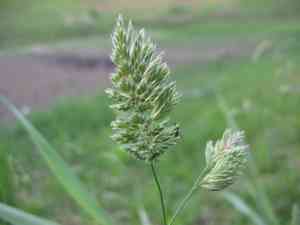
This enduring grass, recognized for its clumped development and silver-hued inflorescences, greatly benefits from trimming in the initial part of spring or during winter. For white wood-rush, trim back aged leaves to the plant's foundation to stimulate vigorous fresh development and preserve a dense shape. This action not only revitalizes white wood-rush but also elevates its decorative value by fostering more compact, lively groupings. Performing this trimming during these colder periods aids in preventing strain on the plant, guaranteeing strong vitality and blooming in subsequent periods.
What Are the Benefits of Pruning White Wood-rush?
What Are the Benefits of Pruning White Wood-rush?
Trimming white wood-rush encourages robust development and helps preserve its compact form, leading to a healthier and more attractive look. Consistent cutting is vital for preventing excessive growth and fostering optimal well-being.
What Is the Best Time for Pruning White Wood-rush?
What Is the Best Time for Pruning White Wood-rush?
Pruning white wood-rush in early spring is ideal as it aligns with the onset of the plant's active growth phase, allowing it to recover quickly and promote healthier foliage and robust growth throughout the growing season. Winter pruning is beneficial as the plant is dormant during this time. This minimizes stress on white wood-rush and reduces the risk of disease transmission, as the cuts can heal before the warmer, wetter conditions of spring which often promote bacterial and fungal growth.
What Tools Do I Need to Prune White Wood-rush?
Hand Pruners
Perfect for precise cuts to remove dead or unwanted leaves from white wood-rush, improving air circulation and light penetration within the plant.
Garden Scissors
Useful for trimming soft stems and tidying up white wood-rush without damaging nearby growth. They offer more control and ease when handling delicate tasks.
Shears
Effective for shaping white wood-rush and cutting back larger, tougher areas during seasonal maintenance, especially helpful for managing its dense tufts.
How to Prune White Wood-rush
Identify
Locate and assess any diseased or withered leaves on white wood-rush. Carefully check for any foliage that appears discolored, dried out, or shows signs of fungal infection.
Prepare
Get the necessary tools ready for pruning white wood-rush. Use sharp, clean pruning shears or scissors to ensure clean cuts and prevent the spread of disease. Sterilize the blades with alcohol or a bleach solution before and after use.
Trim
Gently remove the identified diseased and withered leaves from white wood-rush. Cut close to the base of the leaf, ensuring not to damage the stem or nearby healthy leaves and shoots.
Dispose
Properly dispose of the removed leaves. Do not compost them as diseased or dead material might spread pathogens; instead, discard them in waste that can be securely removed.
Monitor
Continue to monitor white wood-rush after pruning. Check regularly for any further signs of distress or disease in other leaves and repeat the pruning process if necessary to maintain plant health.
Common Pruning Mistakes with White Wood-rush
Overpruning
Removing too much foliage from white wood-rush can severely inhibit its ability to photosynthesize and store energy for growth and reproduction. It's essential to prune sparingly and maintain a large portion of the living, green tissue, especially since white wood-rush does not have an extensive foliar mass.
Improper timing
While the prompt excludes specifics on pruning season, pruning at the wrong time relative to the plant's life cycle stages can lead to diminished flowering and vitality. Be sensitive to the growth patterns and health signals the plant exhibits.
Cutting technique
Using blunt or dirty tools can damage the structural integrity of white wood-rush's delicate leaves and stems. Such injuries can introduce disease and hamper the plant's recovery and growth. Always use sharp, clean pruning tools.
Common Pruning Tips for White Wood-rush
Selective thinning
Focus on selectively thinning out the older, center stems to allow light and air to penetrate deeper into white wood-rush. This practice helps invigorate new growth and maintains a vibrant, healthy appearance.
Encouraging flowering
Trim back the spent flowers promptly, which can encourage more blooms and potentially extend the flowering period of white wood-rush. Ensure not to cut into the new budding zones.
Health maintenance
Regularly remove any dead or damaged tissue, which helps prevent the spread of disease and pests. This also keeps white wood-rush looking tidy and can promote more robust growth from the healthier sections.



