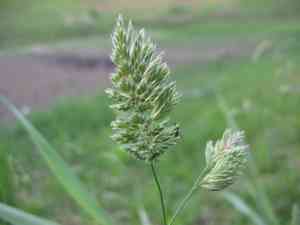
White wood-rush (Luzula luzuloides)
Also known as: White wood-rush, Snowy wood-rush
Luzula campestris, known as field wood-rush, is a flowering plant in the Juncaceae family. Originally found in Central Europe, it has spread to the British Isles, other European regions, and parts of the northeastern United States and eastern Canada.
In This Article
Attributes of White wood-rush
Lifespan
Perennial
Plant Type
Grass
Plant Height
41 cm to 71 cm
Spread
N/A
Leaf Color
Green
Flower Size
0.5-1.5 cm
Flower Color
White
Images of White wood-rush
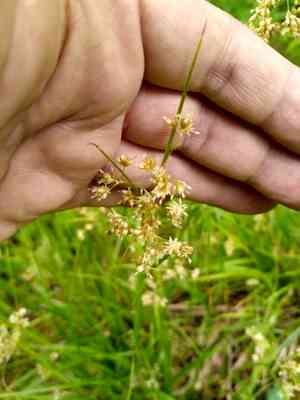
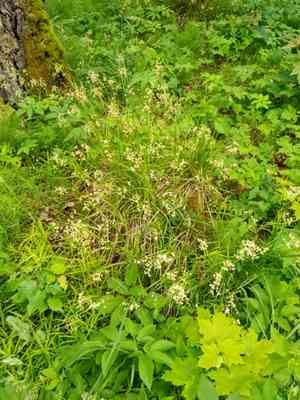
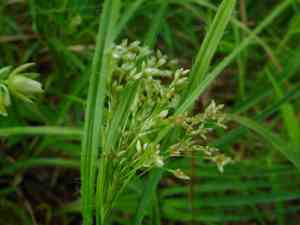
Quickly Identify White wood-rush
1
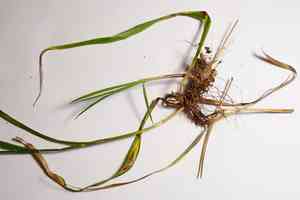
Luzula luzuloides can be identified by its narrow, grass-like leaves which are covered in fine, white hairs. The plant produces small, white, clustered flowers typically blooming in late spring to early summer.
Scientific Classification of White wood-rush
Phylum
Vascular plants
Class
Monocotyledons
Order
Poales
Family
Rush
Genus
Wood-rush
Species
White wood-rush
Planting and Growing of White wood-rush
Care Difficulty
Easy
Watering Schedule
Every 2 days
Sunlight Requirements
Partial sun
Sunshine Duration
6-10 hours
Ideal Temperature
60-75℉
Soil Type
Potting Mix, Peat Mix
Soil pH
5.5-7.5
Fertilizer Type
Balanced
Pruning Season
Spring, Summer
Pruning Area
Branches, Leaves
Pruning Frequency
2 times a year
Repotting Season
Spring
Pot Type
Plastic, Ceramic
 How to Water White wood-rush?
When it comes to watering Luzula luzuloides, aim for about 250 ml each time. It's crucial to ensure the soil is moist but not waterlogged. Overly soggy conditions can suffocate the roots, leading to poor health, so keep an eye on the moisture level without letting it fully dry out.
What are the symptoms of an underwatered White wood-rush?
›
What should I do if my White wood-rush is not getting enough water?
›
What are the symptoms of an overwatered White wood-rush?
›
How to save an overwatered White wood-rush?
›
 What Are the Sunlight Requirements for White wood-rush?
Luzula luzuloides thrives best under partial sun or dappled light conditions reminiscent of woodland understory, which stimulates healthy growth and vibrant leaf color.
What is the best environment for Luzula luzuloides?
›
How can I achieve this ideal lighting condition?
›
Why is this lighting important for Luzula luzuloides?
›
 What Is the Ideal Temperature Range for White wood-rush?
The ideal temperature range for growing Luzula luzuloides is between 60°F and 75°F. Within this range, the plant thrives and exhibits optimal growth, maintaining healthy foliage and vibrant green color.
 What Soil is Best for White wood-rush?
Luzula luzuloides thrives in well-drained soils, which helps prevent waterlogging that can lead to root rot. Ensuring good drainage allows the plant roots to access oxygen and nutrients efficiently. Despite requiring good drainage, Luzula luzuloides benefits from soils that retain some moisture to support its growth, especially during dry periods. A balance in moisture levels ensures the plant remains lush and green. Soil enriched with organic matter, such as compost, can improve nutrient availability and soil structure, promoting healthy growth and vibrant foliage in Luzula luzuloides.
 How to Fertilize White wood-rush?
When fertilizing Luzula luzuloides, it's important to use a balanced fertilizer with an N-P-K ratio of about 10-10-10. For liquid fertilizer, dilute it to half the recommended strength and use it twice a month during the growing season. For slow-release granules, use approximately 1 tablespoon per square foot of soil surface and apply three times a year in spring, summer, and early autumn.
 How to Prune White wood-rush?
When pruning Luzula luzuloides, start by removing any dead or discolored leaves. Using a pair of sharp scissors or pruning shears, carefully trim these parts back to their base. This will not only improve the plant’s appearance but also encourage it to produce new, healthier foliage. To keep the plant looking its best, trim back overgrown sections that disrupt the desired shape. Cut just above a leaf node to promote new growth from that point. This technique helps maintain the plant’s compact form and prevents it from overshadowing other plants in your garden.
More About Pruning Techniques→
 How to Propagate White wood-rush plant?
1
To propagate Luzula luzuloides from seeds, first collect mature seeds from the plant. Look for seeds that are fully developed and easy to detach from the seed head. Clean the seeds by removing any debris or plant material before planting.
2
Fill seed trays with a quality seed-starting mix, and sow the seeds on the surface. Gently press them into the mix without covering them completely. Maintain a warm and moist environment to encourage germination, which should take place within a couple of weeks.
3
When dividing, carefully dig up the plant and gently shake or wash away excess soil to expose the root system. Use a garden spade to divide the plant into sections, making sure each section has a healthy root system and foliage.
 How to Repot White wood-rush plant?
1
Luzula luzuloides signals the need for repotting when you notice roots poking through drainage holes or its growth becomes stunted. An overall lack of vigor or yellowing leaves can also signal that nutrients in the current soil are depleted. The best time to repot is during its growing seasons in spring or autumn when the plant is most resilient and can recover more swiftly.
2
Select a pot that is about 2-3 inches larger in diameter than the current one. This ensures the roots have enough room to expand without sitting in excess soil, reducing the risk of root rot. Ensure the pot has adequate drainage holes to prevent waterlogged conditions, which are detrimental to the plant's health.
3
Opt for a well-draining loam mix, which provides both aeration and moisture retention. This mix allows the roots to breathe while ensuring they have access to necessary water, minimizing instances of overwatering or underwatering. Incorporating organic matter improves soil fertility, supporting lush growth.



