The White wood-rush Plant Advantage: Maximizing Home and Office Appeal and Wellness
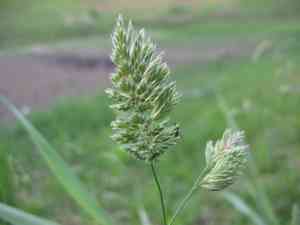
1
Luzula nivea is a adaptable plant prized for its decorative appeal.
2
It prospers in shaded forest settings, making it ideal for gardens with limited sunlight.
3
Luzula nivea needs little upkeep to develop and thrive in diverse soil types.
What Are the Primary Advantages of Cultivating White wood-rush?
Aesthetic Appeal
White wood-rush lends an elegant touch to any garden environment with its appealing, grass-like leaves and delicate white blooms. This plant is perfect for creating textural contrasts in your landscape, and its consistent beauty ensures your garden remains visually pleasing throughout the year.
Shade Adaptability
A key characteristic of White wood-rush is its capacity to flourish in shaded locations where many plants struggle. This makes it an excellent option for planting beneath trees or in other garden areas that receive limited sun. Its shade tolerance helps you utilize every part of your garden effectively.
Is White wood-rush Simple to Care For?
Minimal Upkeep
White wood-rush is known for its low maintenance needs. Once established, it requires little attention, making it an ideal addition for both new and experienced gardeners. It only needs occasional watering during extended dry periods and doesn't demand frequent trimming or fertilization.
Drought Resistance
Despite preferring moist conditions, White wood-rush is remarkably tolerant of drought once it has developed a deep root system. This resilience makes it a sustainable choice for gardens in areas where water conservation is a concern.
Can White wood-rush Boost Biodiversity?
Attracts Wildlife
White wood-rush offers vital refuge and sustenance for various beneficial insects and small creatures. Its dense foliage creates a sanctuary for pollinators like bees and butterflies, enhancing your garden's overall biodiversity. Additionally, the plant's seeds draw birds, contributing to a more vibrant and lively outdoor space.
Soil Enrichment
White wood-rush improves soil structure and health by preventing erosion and promoting soil stability with its fibrous root system. Its decomposed leaves add organic matter to the soil, enriching it with nutrients and enhancing water retention.
How to Integrate White wood-rush into Your Garden?
Planting Advice
To successfully grow White wood-rush, plant it in well-draining soil that is rich in organic material. Although it thrives in shaded spots, it can endure partial sunlight. Space the plants approximately 12 inches apart to allow them room to grow and spread. Mulching around the plants can help retain moisture and suppress weeds.
Companion Planting
White wood-rush pairs well with other shade-loving plants such as ferns, hostas, and heucheras. Its subtle charm complements the lush foliage of these plants, creating a harmonious and visually appealing garden design. Using White wood-rush as ground cover around taller perennials or shrubs also helps maximize garden space utilization.
What Are Other Applications of White wood-rush?
Erosion Control
White wood-rush's robust root system makes it an excellent option for controlling erosion on slopes and embankments. Planting it in these areas helps stabilize the soil and prevent runoff, protecting your garden landscape from damage.
Ground Cover
Given its resilient nature and ability to spread, White wood-rush is an effective ground cover that can fill in bare areas in your garden. It forms dense mats that inhibit weed growth, reducing the need for manual weeding and helping you maintain a neat and tidy garden.



