How to Prune Coyotillo?
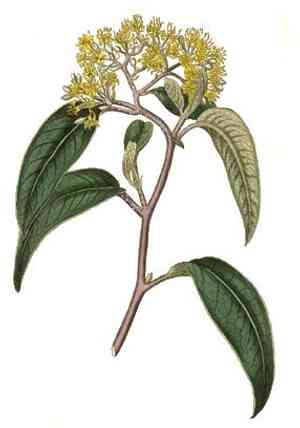
A desert-dwelling bush, recognized for its poisonous fruit and resilience; appropriate upkeep is essential. For coyotillo, trim to sculpt and eliminate deceased or ailing branches while dormant, usually in winter, fostering robust development in spring. Reducing older stalks improves air movement and light exposure, lowering the chance of illness. Trimming also controls dimensions and stops the dispersal of harmful substances, protecting nearby flora and fauna. Exercise restraint when pruning, as over-cutting can cause stress to coyotillo.
Advantages of Trimming Coyotillo
Advantages of Trimming Coyotillo
Trimming coyotillo promotes robust development and aids in maintaining the plant's form. By strategically cutting back portions of coyotillo, gardeners can stimulate new, strong shoots and shape the plant for optimal health and visual appeal.
Optimal Period for Trimming Coyotillo
Optimal Period for Trimming Coyotillo
Trimming coyotillo in late winter, just prior to the onset of new growth, is ideal as the plant remains dormant. This timing minimizes plant stress and lowers infection risk. Additionally, it allows for the removal of any winter frost damage. Pruning at this time encourages new spring growth, contributing to a healthier, more vigorous plant. It also enables the gardener to better shape the plant before leaves and fruits obscure its structure. Since coyotillo may bear fruit, pruning after the fruiting season ensures the plant's energy is directed towards new growth and fruit production in the subsequent season.
Necessary Tools for Trimming Coyotillo
Hand Pruners
Perfect for cutting small branches under 3/4 inches in diameter on coyotillo, ensuring clean cuts without harming the plant.
Lopping Shears
Suitable for branches up to 1 1/2 inches thick, offering greater leverage for cutting through coyotillo's denser growth.
Pruning Saw
Recommended for larger branches exceeding 1 1/2 inches thick that hand pruners and loppers cannot manage, simplifying the handling of coyotillo's mature wood.
Pole Pruner
Useful for reaching higher branches of coyotillo without needing a ladder, enhancing safety during the trimming process.
Gloves
Crucial for protecting hands from coyotillo's potentially harmful berries and thorns while pruning.
Safety Glasses
Shields eyes from any debris or sap that might be released during coyotillo pruning.
How to Trim Coyotillo
Safety
Before trimming coyotillo, wear protective gloves and eyewear to prevent injury from thorns or toxic sap, as coyotillo can be hazardous.
Disinfect
Sanitize pruning tools with alcohol or a bleach solution to prevent disease transmission during the trimming process.
Remove Withered Leaves
Carefully trim withered leaves at their base using sharp scissors or hand pruners, ensuring no damage to new growth or stems.
Cut Dead Branches
Identify dead branches and cut them where they meet healthy wood, using clean, sharp bypass pruners or a saw for larger branches.
Eliminate Diseased Branches
Remove any diseased branches by cutting them well below the affected area to prevent disease spread, disposing of them properly.
Common Trimming Errors with Coyotillo
Over-trimming
Removing too much of coyotillo's foliage can stress the plant, impede its growth, and diminish its vigor.
Incorrect Cut Placement
Cutting too far from a bud on coyotillo can leave a stub prone to disease, while cutting too close can harm the bud.
Using Dull Tools
Blunt pruning tools can create jagged cuts that are more susceptible to infection and heal less effectively on coyotillo.
Trimming Diseased Wood
Cutting diseased branches without sanitizing tools can spread pathogens throughout coyotillo.
Ignoring Plant Form
Failure to consider coyotillo's natural shape can result in a disfigured plant that does not develop correctly.
General Trimming Advice for Coyotillo
Sharp Tools
Utilize sharp, clean clippers or shears to make precise cuts on coyotillo, which helps prevent disease and promotes better healing.
Cut Angle
Make cuts at a slight angle away from the bud to prevent water accumulation on the cut surface of coyotillo, reducing rot risks.
Sanitation
Disinfect tools before and after trimming coyotillo to prevent disease spread, especially after cutting through diseased tissue.
Branch Collar
Trim just outside the branch collar on coyotillo, not flush with the trunk, to encourage faster healing and reduce disease occurrence.
Selective Thinning
Thin out crowded areas of coyotillo to improve airflow and sunlight penetration, promoting better health and flowering.



