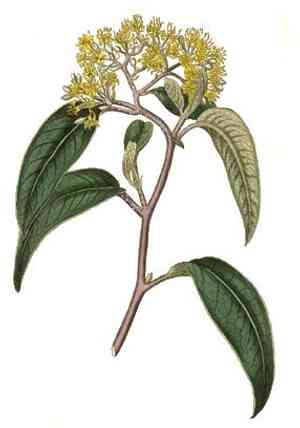
Coyotillo (Karwinskia humboldtiana)
Also known as: Coyotillo, Tullidora
Coyotillo is a flowering shrub commonly found in the southern United States and throughout Mexico. Its fruits are highly toxic, and symptoms from ingestion can take days or even weeks to manifest. Consuming these fruits can result in severe consequences, including paralysis and potentially death.
In This Article
Attributes of Coyotillo
Lifespan
Perennial
Plant Type
Shrub
Plant Height
1 m to 7 m
Spread
90 cm to 1.8 m
Leaf Color
Dark green
Flower Size
0.2-0.4 centimeters
Flower Color
White Green
Images of Coyotillo
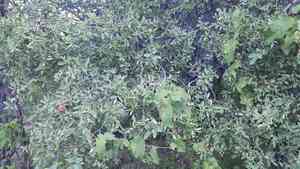
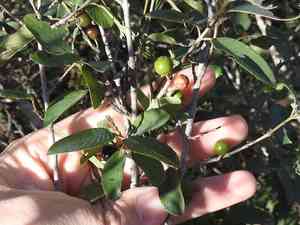
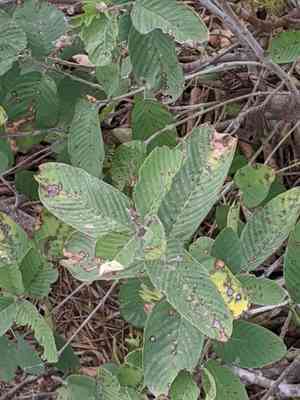
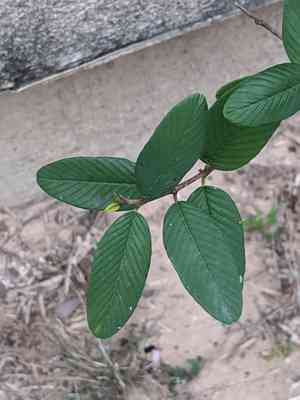
Quickly Identify Coyotillo
1
Identifying Karwinskia humboldtiana involves looking for dark green, glossy leaves, small white to greenish-yellow flowers, and black or dark purple berry-like fruits. It usually grows in dense thickets.
Scientific Classification of Coyotillo
Phylum
Vascular plants
Class
Dicotyledons
Order
Rosales
Family
Buckthorn
Genus
Alpine laurels
Species
Coyotillo
Planting and Growing of Coyotillo
Care Difficulty
Hard
Watering Schedule
Every 3 days
Sunlight Requirements
Full sun
Sunshine Duration
4-8 hours
Ideal Temperature
68-77℉
Soil Type
Potting Mix, Peat Mix
Soil pH
6.5-7.5
Fertilizer Type
Balanced
Pruning Season
Spring, Summer
Pruning Area
Branches, Leaves
Pruning Frequency
2 times a year
Repotting Season
Spring
Pot Type
Plastic, Ceramic
 How to Water Coyotillo?
When watering Karwinskia humboldtiana, aim for a balanced approach that keeps the soil consistently moist but not waterlogged. A typical recommendation is about 500 milliliters each time. This quantity allows the water to penetrate the soil deeply without flooding. Ensure the water drains well to prevent root rot.
What are the symptoms of an underwatered Coyotillo?
›
What should I do if my Coyotillo is not getting enough water?
›
What are the symptoms of an overwatered Coyotillo?
›
How to save an overwatered Coyotillo?
›
 What Are the Sunlight Requirements for Coyotillo?
Partial to full sun offers Karwinskia humboldtiana the energy for photosynthesis while avoiding the risks of extreme sunlight. This balance encourages lush, resilient growth and more robust development.
What is the ideal sunlight for Karwinskia humboldtiana?
›
How can you achieve ideal sunlight exposure?
›
What are the benefits of receiving ideal sunlight?
›
 What Is the Ideal Temperature Range for Coyotillo?
The ideal temperature range for growing Karwinskia humboldtiana is between 68°F and 77°F. Within this range, the plant can perform optimally, allowing proper physiological processes like photosynthesis and respiration to occur efficiently. Maintaining this temperature helps ensure healthy growth and prevents undue stress on the plant.
 What Soil is Best for Coyotillo?
Karwinskia humboldtiana thrives in well-draining soil. This prevents root rot by allowing excess water to escape, promoting healthy root growth and ensuring the plant receives adequate oxygen. This plant benefits from soil enriched with organic matter. Nutrient-rich soil provides essential nutrients, fostering robust growth and enhancing the plant’s natural disease resistance. While tolerating some drought, Karwinskia humboldtiana prefers soil that retains moderate moisture. This ensures steady hydration, which is crucial for maintaining its lush foliage and overall vitality.
 How to Fertilize Coyotillo?
Karwinskia humboldtiana benefits from a balanced fertilizer approach. For liquid fertilizer, dilute it to half strength before application to avoid burning the roots. Typically, 1 tablespoon per gallon of water is sufficient. For solid fertilizers, use approximately 1/4 cup per plant of a balanced granular fertilizer. Distribute evenly around the base, ensuring it is not in direct contact with the stem.
 How to Prune Coyotillo?
Look for branches that are crossing, damaged, or growing inward. These should be the primary targets when pruning to maintain the plant's natural shape and prevent overcrowding. Make clean cuts at a 45-degree angle about a quarter inch above an outward-facing bud. This encourages new growth to extend outward, maintaining an open and aesthetically pleasing structure.
More About Pruning Techniques→
 How to Propagate Coyotillo plant?
1
Harvest seeds from mature fruits when they are dry and clean them thoroughly to remove any pulp remnants for better germination rates.
2
Select healthy stems and cut below a leaf node. Remove excess leaves to reduce transpiration and dip in rooting hormone to encourage root development.
3
Plant seeds in seed trays or cutting in well-drained soil. Keep the medium moist but not waterlogged, and ensure they receive indirect sunlight.
 How to Repot Coyotillo plant?
1
Repot your Karwinskia humboldtiana when you observe roots growing through the drainage holes or when growth has noticeably slowed. Spring or summer is ideal as the plant is in its active growth phase, increasing its recovery speed and adaptation to new soil conditions.
2
Choose a pot that is just slightly larger than the current one, with ample drainage holes. This reduces the risk of waterlogging, which can cause root rot. The right size prevents over-watering, supporting healthier root development and overall plant growth.
3
Opt for a loamy, well-draining soil mix, perhaps with added sand or perlite. This ensures adequate aeration and prevents moisture retention, safeguarding against root rot. Such soil supports healthy growth by providing nutrients while allowing excess water to escape easily.
Toxicity
Ingestion
WARNING
The judgment on toxicity and danger is for reference only. We DO NOT GUARANTEE any accuracy of such judgment. Therefore, you SHALL NOT rely on such judgment. It is IMPORTANT TO SEEK PROFESSIONAL ADVICE in advance when necessary.
Learn More About Coyotillo Diseases
Anthracnose
Bacterial Leaf Spot
Bacterial Wilt
Black Spot
Chemical Injury
Crown Gall
Cyst Nematode
Damping-off
Downy Mildew
Drought Stress
Fusarium Wilt
Gray Mold
Leaf Curl
Leaf Spot
Mosaic
Nutrient Deficiency
Nutrient Toxicity
Powdery Mildew
Root Rot
Root-knot Nematode
Rusts
Sooty Mold
Spider Mites
Temperature Stress
Thrips Damage
White Mold



