Enhancing Your Garden Design with the Coyotillo Plant: A Landscaping Guide
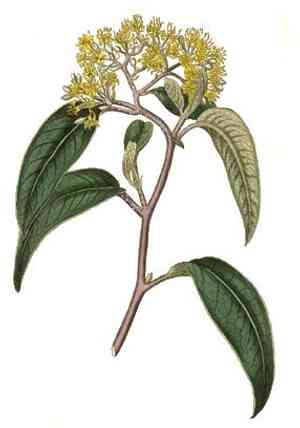
1
Coyotillo flourishes optimally in areas receiving partial to ample sunlight.
2
Coyotillo prefers soil that drains effectively and possesses average nutrient content.
3
Consistent trimming aids in preserving Coyotillo's form and vitality.
Understanding Coyotillo's Growth Habits and Seasonal Cycles
Identifying Coyotillo's typical growth characteristics
Before integrating Coyotillo into your garden, it's crucial to grasp its growth patterns. Coyotillo is recognized for its shrub-like nature, typically reaching heights of 1 to 3 meters. Its growth rate is moderate, meaning it won't quickly overshadow nearby plants. As an evergreen, Coyotillo retains its foliage throughout the year, offering consistent greenery to your landscape.
Optimal seasons for planting Coyotillo in your garden
When considering the best time to plant Coyotillo, spring and early autumn are ideal. These periods offer mild temperatures that aid in root establishment before the more extreme summer heat or winter cold arrives. It's wise to avoid planting during severe heat or cold to prevent stress on young plants.
Selecting the Ideal Location for Coyotillo in Your Garden
Considering light exposure and shade requirements
Coyotillo thrives in spots receiving partial to full sunlight. While it can endure some shade, excessive shade may impede its development and diminish its overall vigor. Positioning Coyotillo where it gets morning sun and afternoon shade often provides an optimal setting for balanced growth.
Preferred soil types for Coyotillo's optimal development
Soil quality significantly impacts Coyotillo's health. This plant performs best in well-draining soil with moderate fertility. Ensure your planting site isn't waterlogged, as excessive moisture can lead to root rot. You can improve soil drainage and fertility by incorporating organic compost or sand if needed.
Integrating Coyotillo with Other Plant Species
Companion plants that flourish alongside Coyotillo
Creating a harmonious garden involves selecting companion plants that coexist well with Coyotillo. Consider pairing Coyotillo with drought-tolerant species like lavender or sage, which share similar water needs. Ornamental grasses and succulents also make excellent companions, adding texture and variety to your landscape without intense competition for resources.
Preventing planting conflicts with Coyotillo
For Coyotillo to thrive, it's essential to avoid planting it near species with incompatible requirements. Steer clear of water-loving or shade-preferring plants as companions, such as ferns or hostas, as these can create an imbalanced environment. Pay attention to spacing to prevent overcrowding, which hinders air circulation and can foster fungal issues.
Maintaining Coyotillo in Your Landscape
Routine maintenance guidelines for Coyotillo
Consistent care is vital for keeping Coyotillo healthy and attractive in your landscape. Water the plant regularly, especially during dry periods, but avoid overwatering. Pruning should be done annually to maintain its shape and encourage new growth. Removing dead or diseased branches will prevent the spread of pests and diseases.
Seasonal care adjustments for Coyotillo
Adapt your care routine seasonally to ensure Coyotillo remains healthy throughout the year. In spring, fertilize with a balanced slow-release product to support new growth. During summer, closely monitor water levels as heat can quickly dehydrate the plant. In autumn, prepare Coyotillo for winter by reducing watering frequency and mulching its base to protect roots from frost.



