How to Propagate Coyotillo?
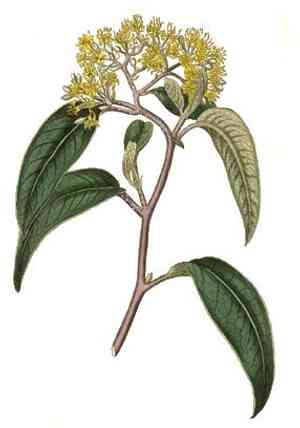
Hailing from the Rhamnaceae botanical group, coyotillo is a shrub recognized for its poisonous nature. Its reproduction, particularly adapted to its developmental patterns, utilizes stem sections. To achieve successful root formation, it is recommended to choose robust, semi-mature stems and prepare them with precise, diagonal incisions. Employ a rooting substrate that drains efficiently and sustain uniform dampness without oversaturation. A rooting stimulant can boost the success rate of propagation. Supplying mild warmth can assist in encouraging root growth, and guaranteeing suitable illumination without direct solar exposure is vital for the cuttings' flourishing.
Optimal Time for Coyotillo Propagation
Propagation Method
Cutting
Propagation Period
Spring,Summer
Tools for Coyotillo Propagation
Sharp Pruning Shears
These are vital for making precise cuts from the parent coyotillo plant. A sharp, clean cut helps prevent damage to the remaining plant and ensures the cutting has a smooth surface for rooting. Rough cuts can increase infection risk and hinder root development.
Rooting Hormone Powder or Gel
This promotes quicker root development on coyotillo cuttings. Applying rooting hormone to the cut stem end before planting significantly boosts successful rooting by stimulating root growth at the cut site, crucial for cuttings with lower natural rooting potential.
Sterilized Potting Mix
A well-draining, sterile potting mix offers the necessary environment for coyotillo cuttings to root. This mix prevents disease and provides a balance of moisture and air, vital for root growth. The mix's sterility ensures no pathogens harm young cuttings.
Propagation Trays with Humidity Domes
These trays create an ideal environment for rooting coyotillo cuttings by maintaining high humidity around them. The dome helps retain moisture and warmth, accelerating the rooting process while reducing water loss from the cuttings.
Heat Mats
Heat mats help maintain a consistent temperature, especially crucial for coyotillo cuttings to root successfully. As temperature significantly influences root development, a heat mat can provide optimal bottom heat, encouraging faster root growth.
Coyotillo Propagation Difficulty
Propagation Type
Moderately Difficult
Caring for Newly Propagated Coyotillo
Caring for Newly Propagated Coyotillo
Once the coyotillo cutting has established roots, gradually acclimate it to less humid conditions by removing the covering for increasing periods daily. Ensure the plant receives partial to full sunlight and keep the soil consistently moist but not waterlogged. Monitor for pests and diseases, especially during early growth. Fertilize lightly every 4-6 weeks during the growing season with a balanced fertilizer to promote healthy growth.
Common Errors to Avoid When Propagating Coyotillo
Overwatering
Excessive watering of coyotillo can lead to root rot, which is detrimental because it hinders the plant's ability to absorb essential nutrients and water for growth and survival.
Using incorrect soil type
Employing soil that lacks proper drainage can cause water to accumulate around coyotillo's roots. This stagnation can result in fungal diseases and poor root health.
Poor cutting technique
Improper cutting or handling of coyotillo during propagation can damage plant tissues, leading to inadequate or no root development.
Advice for Propagating Coyotillo
Use well-draining soil
For coyotillo's health, it is crucial to use a soil mixture that promotes good drainage yet retains sufficient moisture to support growth. This balance ensures roots receive adequate oxygen and water without the risk of rot.
Moderate watering
Maintaining a moderate watering schedule ensures coyotillo receives enough moisture without becoming waterlogged. It is essential to allow the soil to dry slightly between watering sessions.
Healthy parent plant
Selecting a healthy and vigorous part of coyotillo for propagation increases the chances of successful growth and development. Ensuring the parent plant is free from pests and diseases is crucial as these could transfer to the cuttings.



