How to Prune Sheep's-bit?
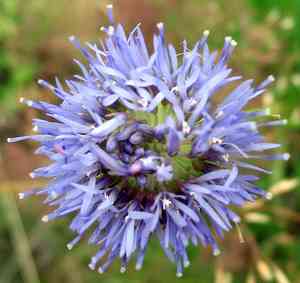
This enduring plant, featuring thick bunches of blue blossoms, needs very little trimming. Remove faded blooms to stimulate additional flowering and preserve its form. The ideal time for pruning is in late spring or early summer, once the flowering period concludes. Consistent trimming deters self-propagation and fosters a dense growth pattern. Pruning also enables cultivators to restrict any undesirable expansion, managing the plant's development while guaranteeing its robust resurgence in the subsequent year.
What Are the Benefits of Pruning Sheep's-bit?
What Are the Benefits of Pruning Sheep's-bit?
Trimming sheep's-bit promotes robust development and maintains its compact shape, crucial for visual appeal and plant health. Strategic cuts can encourage fresh leaves and strength.
What Is the Best Time for Pruning Sheep's-bit?
What Is the Best Time for Pruning Sheep's-bit?
The optimal periods for trimming or cutting sheep's-bit are late spring after blooming and summer. In late spring, sheep's-bit has finished its flowering phase, typically from late May to July. Pruning post-flowering allows the plant to direct energy towards new growth and seed production. Additionally, late spring pruning helps avoid removing flower buds, which could diminish the plant's display for that season. Summer trimming can help preserve the plant's form and size, prevent overcrowding, and enhance air circulation around the foliage, thereby reducing disease risk. It is vital to avoid pruning too late in autumn or winter, as this can stimulate new growth that may not have sufficient time to harden before the first frost, potentially leading to cold weather damage.
What Tools Do I Need to Prune Sheep's-bit?
Secateurs or Pruning Shears
For the delicate stems of sheep's-bit, sharp secateurs or hand pruners are ideal. These tools enable precise cuts to shape the plant and remove spent flowers or dead stems without harming surrounding foliage.
Gloves
Although sheep's-bit lacks thorns, wearing gloves protects the gardener's hands from potential skin irritation when handling the plant and from sharp edges on pruning tools.
Pruning Saw
If sheep's-bit has developed thicker, woodier stems too large for secateurs, a pruning saw might be necessary. This tool allows for clean cuts through denser material without damaging the plant.
Garden Scissors
For snipping off dead flower heads or trimming small, delicate areas, garden scissors offer more control and are less likely to cause damage than larger tools.
How to Prune Sheep's-bit
Disinfect tools
Before starting, clean and sanitize all pruning tools to prevent disease transmission to sheep's-bit.
Identify
Examine sheep's-bit closely and pinpoint diseased leaves, withered leaves, and diseased stems that require trimming.
Cut diseased leaves
Carefully remove diseased leaves by cutting them at the base of the leaf stalk where it connects to the stem. Ensure not to tear or damage the stems of sheep's-bit.
Trim withered leaves
Trim withered leaves to improve air circulation and light penetration, which are vital for the health of sheep's-bit. Make cuts close to the leaf's base for better healing.
Remove diseased stems
Cut back any diseased stems to healthy tissue, ensuring the entire affected area is removed to prevent further disease spread in sheep's-bit.
Common Pruning Mistakes with Sheep's-bit
Overpruning
Removing too much foliage can stress sheep's-bit, impeding its ability to thrive.
Blunt tools
Using dull or dirty pruning tools can harm sheep's-bit's stems, increasing the risk of disease.
Improper cut location
Cutting too far from a node or too close to the stem's base may result in poor regrowth or damage to sheep's-bit.
Neglecting deadheads
Failing to remove spent flowers can prevent sheep's-bit from producing new blooms.
Random cuts
Unplanned or haphazard cuts without a clear objective can compromise the aesthetic form and health of sheep's-bit.
Common Pruning Tips for Sheep's-bit
Selective pruning
Carefully choose stems for removal, focusing on dead or weak growth to maintain the plant's shape and encourage new blooms.
Sharp tools
Use sharp, clean pruning shears for precise cuts that will heal quickly, reducing stress on sheep's-bit.
Cut angle
Cut stems at a 45-degree angle just above a leaf node to promote healthy new growth.
Post bloom pruning
Once flowering is complete, prune sheep's-bit to remove dead flowers, which can stimulate a second bloom in some conditions.
Consistent maintenance
Regularly inspect sheep's-bit for dead or fading flowers and remove them to maintain a tidy appearance and ensure plant vigor.



