How to Propagate Sheep's-bit?
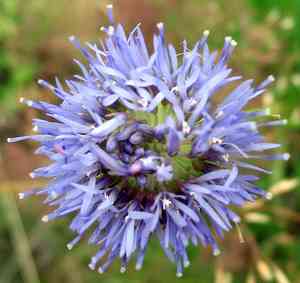
Sheep's-bit flourishes when reproduced via seeding. To achieve successful cultivation, it is essential to begin with newly harvested seeds, which ought to be planted in soil that drains effectively. This facilitates appropriate root formation and prevents excessive moisture, a condition to which sheep's-bit is especially susceptible. Sufficient light exposure and consistent, measured irrigation will aid the young plants as they mature. Upholding these environmental factors will contribute to the establishment of a vigorous specimen.
Optimal Time for Propagating Sheep's-bit?
Propagation Method
Seeding
Propagation Period
Spring
Tools for Sheep's-bit Propagation?
Seed trays
These shallow containers are perfect for starting seeds, offering ample room for the initial growth phase of sheep's-bit. They aid in even seed distribution and simplify management during germination.
Potting soil
A well-draining, nutrient-rich potting mix is essential for sheep's-bit seed germination. The correct soil blend enhances moisture retention and supplies vital nutrients, supporting healthy seedling development.
Watering can with a fine rose
This tool enables gentle watering, crucial for sheep's-bit to prevent dislodging or burying seeds too deeply. The fine rose attachment helps distribute water uniformly without disturbing the soil structure.
Labels and markers
Used for labeling trays to prevent confusion and monitor sheep's-bit's growth. This is vital when propagating multiple plant species simultaneously.
Misting bottle
Ideal for maintaining necessary humidity levels around sheep's-bit, especially during early germination. Misting helps keep soil moist without overwatering, which is critical for sprouting seeds.
How to Propagate Sheep's-bit?
Propagation Difficulty
Easy
Caring for Newly Propagated Sheep's-bit?
Caring for Newly Propagated Sheep's-bit?
Sheep's-bit needs full sun to partial shade in its growing spot. Soil should drain well but retain some moisture, as completely dry conditions can be harmful. Water sheep's-bit regularly, especially during extended dry periods, but avoid over-watering. Minimal fertilization is needed; a light feeding once a year in early spring should suffice. Sheep's-bit is quite resilient but benefits from protection from extreme weather and cold winds.
Common Errors to Avoid When Propagating Sheep's-bit
Overwatering
Excess moisture can lead to root rot or fungal diseases in sheep's-bit, as it prefers well-drained soil. Overwatering can also hinder root development in cuttings or seedlings.
Deep planting
Planting sheep's-bit seeds or seedlings too deeply can impede germination and root growth. Sheep's-bit seeds require some light to germinate effectively and should be sown on the soil surface or lightly covered.
Neglecting stratification
Failing to stratify sheep's-bit seeds can result in poor germination rates. Sheep's-bit seeds typically need a period of cold stratification to break dormancy.
Tips For Propagating Sheep's-bit
Light soil mix
Utilize a light, well-drained soil mix for sowing seeds or planting sheep's-bit cuttings. This mimics its natural environment and promotes better root health and growth.
Surface sowing
Sow sheep's-bit seeds on the soil surface or with minimal covering. This light exposure is crucial for improving germination rates.
Cold stratification
Stratify sheep's-bit seeds by exposing them to cold temperatures before sowing. This process helps break seed dormancy and stimulate germination.



