How to Prune Low bulrush?
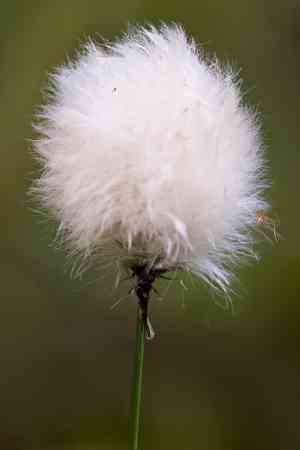
A clump-forming, grass-like perennial featuring slender, hair-thin stalks, low bulrush flourishes in damp environments. Trim away any deceased or discolored leaves to sustain its vitality and visual charm. The most suitable time for trimming is in early spring or during winter when its development is least active. Periodic reduction improves the plant's form and encourages vigorous, more compact new growth. Trimming low bulrush assists in averting excessive density and potential decay within thick clusters, guaranteeing strong health and a pleasing look.
What Are the Benefits of Pruning Low Bulrush?
What Are the Benefits of Pruning Low Bulrush?
Trimming low bulrush promotes robust development and helps maintain its form, crucial for the plant's look and vitality. It improves air circulation and light penetration, fostering vigor.
What Is the Best Time for Pruning Low Bulrush?
What Is the Best Time for Pruning Low Bulrush?
Cutting back low bulrush in early spring is advisable as it coincides with the plant's active growth period after dormancy. This timing allows low bulrush to recover quickly and direct energy into new growth, supporting overall plant strength and aesthetic shape. Additionally, winter pruning is suitable since the plant is dormant and less prone to stress. Removing dead or damaged foliage during this time prepares low bulrush for healthy growth when spring arrives. Both seasons help preserve plant structure, manage size, and encourage lush, healthy foliage without disrupting low bulrush's natural growth cycle or blooming period.
What Tools Do I Need to Prune Low Bulrush?
Hand Pruners
Perfect for making precise cuts on low bulrush, ensuring healthy growth by removing dead or yellowed leaves.
Shears
Useful for shaping low bulrush or trimming overgrown sections, as they provide a clean cut without harming the plant's delicate structure.
Gloves
Protect the gardener's hands from moisture and potential irritation when handling low bulrush, which thrives in wet conditions.
Waste Bin
For immediate disposal of trimmings and to keep the workspace tidy, preventing the potential spread of disease within low bulrush.
How to Prune Low Bulrush
Clean Tools
Sanitize your pruning shears with alcohol or a bleach solution to prevent disease transmission before you begin to prune low bulrush.
Inspect
Examine low bulrush carefully to identify diseased or withered leaves that require removal. Diseased leaves may show spots or discoloration, while withered leaves will appear dry and brown.
Prune Diseased
Using your sterilized shears, carefully cut away any diseased leaves at their base, where they connect to the stem or the central part of low bulrush, without harming healthy sections.
Prune Withered
Remove withered leaves by cutting them at the base in the same manner, ensuring clean cuts to promote rapid healing.
Dispose
Discard the removed material far from low bulrush to prevent the potential spread of disease and do not compost diseased plant parts.
Common Pruning Mistakes with Low Bulrush
Over-Pruning
Excessively cutting back low bulrush can impede its natural growth pattern and diminish its lush appearance. This is a common error as low bulrush typically requires a light touch when trimming.
Blunt Tools
Using dull or poorly maintained tools when pruning low bulrush can damage the stems, leading to an increased risk of disease and pest infestations.
Pruning Healthy Tips
Trimming the healthy, actively growing tips of low bulrush can unnecessarily stress the plant and limit its ability to flourish.
Ignoring Dead Material
Failing to remove dead or yellowing material can impact the health and aesthetic value of low bulrush. Dead material should be regularly trimmed to maintain a neat appearance and encourage new growth.
Uneven Cutting
Pruning low bulrush in an uneven manner may lead to an undesirable and erratic growth pattern, reducing the visual appeal of the ornamental grass.
Common Pruning Tips for Low Bulrush
Sharp Tools
Always use sharp, clean pruning shears or scissors to make clean cuts on low bulrush, reducing the risk of injury to the plant and promoting quicker healing.
Selective Pruning
Prune low bulrush selectively, targeting dead or yellowing foliage at the base to encourage new growth while maintaining the plant's natural shape and density.
Gentle Technique
Employ a gentle technique when pruning low bulrush, reflecting its delicate structure. Avoid harsh tugs or tears that can damage the plant.
Thinning
Thin out dense areas moderately to improve air circulation within low bulrush, which can prevent fungal diseases and other health issues while preserving the plant's natural form.
Post-Pruning Care
After pruning low bulrush, provide the plant with appropriate aftercare, such as watering and applying a balanced, slow-release fertilizer, to support recovery and vigorous growth.



