How to Propagate Low bulrush?
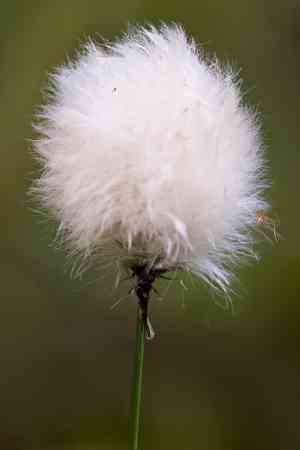
A member of the Cyperaceae family, low bulrush is generally multiplied via division, an effective method aligned with its growth patterns. For successful multiplication, cultivators ought to meticulously divide the plant's thick clusters, ensuring every segment possesses an adequate root structure. Prior to transplanting, prune any superfluous leaves to lessen strain on the young plants and select a damp, adequately draining location that emulates low bulrush's native habitat for peak development.
What Is the Best Time To Propagate Low Bulrush?
Propagation Type
Separation
Propagation Season
Spring,Autumn
What Tools Are Used in Low Bulrush Propagation?
Sharp Knife or Garden Shears
A keen blade or gardening shears are vital for cleanly and effectively separating the root structure of low bulrush. Sharpness minimizes tissue damage, which is key for reducing disease risk and promoting quicker recovery and growth after division.
Watering Can with a Fine Rose Attachment
Post-division, it's crucial to ensure low bulrush receives ample water to help the separated parts establish faster in their new environment. A watering can with a fine rose attachment delivers a gentle, shower-like flow, preventing soil disruption or harm to delicate new roots.
Potting Medium
A well-draining, nutrient-rich growing medium is essential for low bulrush to flourish after propagation. The medium should support good root expansion and provide sufficient nourishment and stability for the new plants, thereby boosting their chances for robust development.
Garden Fork
A garden fork is helpful for carefully loosening the soil around low bulrush before lifting it for division. This tool aids in minimizing root damage during extraction, preserving the plant's health and vitality.
Propagation Tray or Pots
Utilizing clean and appropriately sized propagation trays or pots assists in maintaining the necessary humidity and soil conditions ideal for low bulrush's root development. These containers are crucial for securely holding the plant and its medium, fostering an optimal environment for root establishment.
How to Propagate Low Bulrush?
Propagation Type
Simple
How to Care for Your Newly Propagated Low Bulrush?
How to Care for Your Newly Propagated Low Bulrush?
After propagation, keep the soil consistently damp, as low bulrush thrives in moist conditions. Position the plant in a spot with partial shade, as excessive direct sunlight can scorch its leaves. Provide a balanced liquid fertilizer monthly during the active growth period to encourage vigorous development. Regularly check for pests and diseases, though low bulrush is generally resilient if kept in suitably moist environments.
Common Mistakes to Avoid When Propagating Low Bulrush
Overwatering
Excessive moisture can lead to root decay, as low bulrush prefers consistently damp, but well-drained conditions.
Using poor draining soil
Compact or heavy soils can retain too much water and hinder the proper development of low bulrush's delicate roots.
Overlooking humidity needs
Low bulrush thrives with higher humidity. Ignoring this requirement can cause the plant to dry out and impede growth.
Neglecting light requirements
While tolerant of varying light conditions, low bulrush will not flourish if placed in overly dark settings, resulting in leggy growth.
Cutting too few nodes
Propagating with stem cuttings that have too few nodes can limit the potential for roots to develop.
Tips For Propagating Low Bulrush
Division
Gently separate the clumps of low bulrush during propagation to ensure each section has roots and shoots for successful regrowth.
Adequate moisture
Keep soil consistently moist but not waterlogged when propagating low bulrush to support root development without causing rot.
Use of rooting hormone
Apply a rooting hormone to low bulrush cuttings to encourage quicker and more reliable root growth.
Proper cutting length
Ensure cuttings of low bulrush have multiple nodes to increase the chances of successful rooting.
High humidity environment
Maintain a high humidity level when propagating low bulrush to emulate its native conditions and promote healthy growth.



