Enhancing Your Garden Design with the Low bulrush Plant: A Landscaping Guide
1
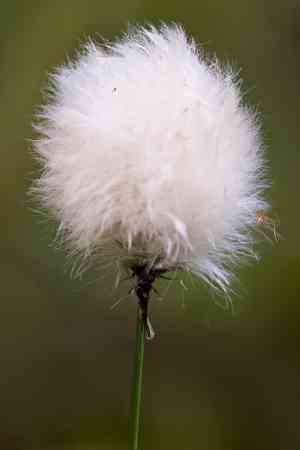
Low bulrush, a grass-like plant, introduces a fine texture to your outdoor space.
2
Optimal growth for Low bulrush occurs in damp, well-drained soil under ample sunlight.
3
Low bulrush offers flexibility for designing edges, rockeries, and aquatic elements.
Introducing Low Bulrush in Garden Design
Overview of Low bulrush and its aesthetic appeal in garden settings
Low bulrush, a grass-like plant, brings a distinct and elegant beauty to garden landscapes. Its slender, arching stems offer a delicate and soft texture, making it an excellent choice for gardeners aiming to add subtle movement and sophistication. The plant's understated charm can seamlessly integrate into various garden styles, from formal designs to more natural, wild-inspired spaces. Its structure complements both flowers and shrubs, making it a versatile element in garden planning.
Advantages of incorporating grass-like plants into landscaping
Integrating grass-like plants like Low bulrush into your garden provides numerous benefits. They demand less upkeep compared to flowering plants and offer consistent greenery year-round. Grass-like plants are also highly effective for erosion control on slopes and can endure diverse conditions better than many other plant varieties. Furthermore, these plants serve as beautiful backdrops, accentuating the colors and textures of other garden components. They help create a balanced and visually pleasing landscape that remains attractive across different seasons.
Optimal Placement for Low Bulrush
Ideal garden locations for planting Low bulrush to maximize impact
To enhance Low bulrush's visual effect in your garden, consider placing it along paths, borders, or edges where its delicate form can be fully appreciated. It can improve the garden's visual flow and create a soft boundary that guides the eye through various garden sections. Low bulrush also thrives in containers, allowing for strategic placement on patios or near seating areas. This positioning brings its charming features closer for daily enjoyment and integrates smoothly into diverse garden designs.
How light exposure and soil type influence Low bulrush's development
For peak growth, Low bulrush prefers well-draining soil with consistent moisture. It flourishes in areas with full to partial sunlight but can tolerate some shade. Before planting, assess your garden's sun exposure and soil composition. Adding organic matter to the soil can improve its structure and drainage, creating an ideal environment for Low bulrush. Consistently moist conditions are crucial, so consider using mulch to help retain soil moisture and reduce watering frequency. Adjusting these factors will help ensure a healthy and vibrant display of Low bulrush in your garden.
Design Concepts Using Low Bulrush
Creating borders and edges with Low bulrush
Low bulrush is an excellent option for establishing elegant borders and edges in your garden. Its fine green foliage and clumping habit make it perfect for defining garden beds, pathways, and driveways. When used as a border, it can provide a neat yet soft transition between different garden areas. Plant Low bulrush closely for a dense border or space it out for a more relaxed appearance. The consistent height and texture of Low bulrush add structure and definition, contributing to an organized and cohesive garden design.
Combining Low bulrush with other plants for a vibrant landscape
Pairing Low bulrush with a variety of other plants can result in a vibrant and dynamic garden landscape. Combine Low bulrush with colorful flowering perennials to highlight the flowers with its fine, green stems. It also offers a beautiful contrast with broad-leafed plants, adding texture and visual interest. Try incorporating Low bulrush alongside taller grasses or shrubs to create layers and depth in your garden composition. This combination can emphasize the unique features of each plant, leading to a visually balanced and appealing garden scene.
Utilizing Low bulrush in rock gardens and water features
Low bulrush is highly effective in rock gardens and around water features due to its preference for moist soil conditions. Its delicate appearance contrasts with the rugged texture of rocks, creating a harmonious and natural look. Low bulrush can also add a tranquil element to water features, thriving along pond edges or in wetland garden areas. The reflection of its arching stems in water creates a beautiful visual effect, enhancing the serene and peaceful atmosphere. Integrating Low bulrush in these garden elements can elevate the overall landscape design.
Caring for Low Bulrush in Your Landscape
Essential maintenance tips for health and beauty
Maintaining Low bulrush in your landscape is straightforward, contributing to both the plant's health and aesthetic appeal. Water the plant regularly to ensure consistent moisture, especially during dry periods. Remove any dead or yellowing leaves to encourage new growth and maintain a neat appearance. Fertilize sparingly, as excessive nutrients can lead to floppy growth. Periodically divide the clumps to prevent overcrowding and to rejuvenate older plants. These simple maintenance steps will keep Low bulrush looking lush and healthy throughout the year.
Seasonal care and handling adjustments for Low bulrush
Seasonal changes necessitate some adjustments in caring for Low bulrush. During the active growth period, maintain moderate watering and ensure the plant receives adequate sunlight. In colder climates, consider protecting the plant from frost by covering it or applying a thick layer of mulch. As the plant enters dormancy in winter, reduce watering to prevent root rot. Prune any dead foliage in early spring to make way for new growth. By adapting your care routines to the seasons, you can ensure that Low bulrush remains a thriving and attractive part of your garden landscape all year round.



