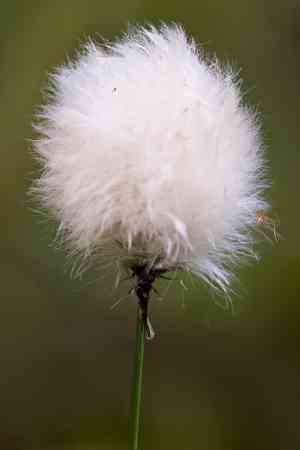
Low bulrush (Isolepis cernua)
Also known as: Tufted clubrush, Savi's mud-rush
Low bulrush (Isolepis cernua) is a globally distributed sedge thriving in various wet habitats, including freshwater wetlands and salt marshes. Gardeners often use it for ground cover, water features, or in hanging baskets due to its elegant foliage. It's important to note that the plant and its seeds are toxic.
In This Article
Attributes of Low bulrush
Lifespan
Perennial, Annual
Plant Type
Grass
Plant Height
25 cm to 30 cm
Spread
50 cm
Leaf Color
Green
Flower Size
2.5 cm
Flower Color
White Green Brown
Images of Low bulrush
Quickly Identify Low bulrush
1
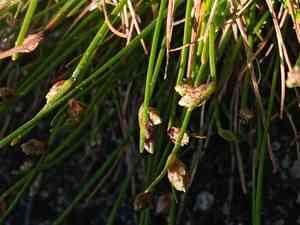
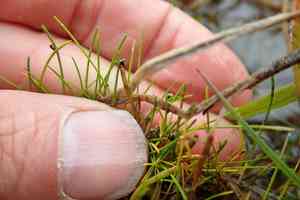
This plant can be identified by its hair-like leaves and the distinct small, white flower clusters at the tips of the stems. The flowers are so small they give the appearance of tiny white bulbs on the end of green threads.
Scientific Classification of Low bulrush
Phylum
Vascular plants
Class
Monocotyledons
Order
Poales
Family
Sedge
Genus
Isolepis
Species
Low bulrush
Planting and Growing of Low bulrush
Care Difficulty
Easy
Watering Schedule
Every 8 days
Sunlight Requirements
Partial sun
Sunshine Duration
4-6 hours
Ideal Temperature
60-75℉
Soil Type
Potting Mix, Peat Mix
Soil pH
6.5-7.5
Fertilizer Type
Balanced
Pruning Season
Spring, Summer
Pruning Area
Branches, Leaves
Pruning Frequency
2 times a year
Repotting Season
Spring
Pot Type
Plastic, Ceramic
 How to Water Low bulrush?
When watering Isolepis cernua, apply approximately 200 ml each time. The aim is to keep the soil consistently moist but not soggy. If you notice water pooling on the surface or the pot feels unusually heavy, it might be too much. A well-draining pot is crucial to achieve the right consistency.
What are the symptoms of an underwatered Low bulrush?
›
What should I do if my Low bulrush is not getting enough water?
›
What are the symptoms of an overwatered Low bulrush?
›
How to save an overwatered Low bulrush?
›
 What Are the Sunlight Requirements for Low bulrush?
Isolepis cernua thrives under partial sunlight, which helps maintain its vibrant foliage and overall health. This type of lighting mimics its native environment, facilitating efficient photosynthesis and moisture regulation.
More About Sunlight Requirements Techniques→
What is the best location for Isolepis cernua?
›
How can you ensure consistent lighting throughout the year?
›
What are the benefits of optimal lighting for this plant?
›
 What Is the Ideal Temperature Range for Low bulrush?
Isolepis cernua thrives best in temperatures ranging from 60°F to 75°F. This range provides the ideal conditions for photosynthesis and nutrient uptake, which are crucial for healthy growth. Maintaining temperatures within this range helps ensure vigorous development and reduces the risk of temperature-related stress.
 What Soil is Best for Low bulrush?
Isolepis cernua, commonly known as fiber optic grass, thrives best in soils that can maintain a consistent level of moisture. This continual supply of moisture supports its lush growth and ensures the delicate stems remain flexible and not brittle. The plant benefits from soil rich in organic matter, which provides the essential nutrients required for vigorous growth. An abundance of nutrients helps it sustain its vibrant green color and robust form. It's crucial that the soil does not retain excess water. Proper drainage in sandy or loamy soils prevents root rot and allows oxygen to reach the roots, ensuring the plant's overall health.
 How to Fertilize Low bulrush?
Isolepis cernua benefits from light fertilization. It requires diluted liquid fertilizer, typically at half the recommended strength on the product label to avoid root burn. This mimics its natural environment where nutrients are sparse, supporting healthy and balanced growth.
 How to Prune Low bulrush?
Ensure that you use a pair of sharp scissors or garden shears to make clean cuts. This prevents tearing and potential damage to the plant tissues, which could increase susceptibility to disease. While pruning is essential, avoid cutting back too much at once, as this can stress the plant. Trim lightly, focusing on dead or diseased foliage to encourage robust growth. Always disinfect your tools before and after use to prevent the spread of diseases. A simple alcohol wipe or a dip in bleach solution can suffice.
More About Pruning Techniques→
 How to Propagate Low bulrush plant?
1
Choose a light, well-draining potting mix for starting seeds. Incorporate some organic matter to provide nutrients. Ensure that the mix is moist but not waterlogged.
2
Scatter seeds evenly over the surface of the seed tray filled with seedlings mix. Lightly press them into the soil, ensuring good soil contact. Cover with a fine layer of soil and water gently.
3
For division, remove the plant from its pot and gently separate it into smaller sections, each with roots attached. Replant these divisions immediately to avoid root drying.
 How to Repot Low bulrush plant?
1
The ideal time to consider repotting Isolepis cernua is when you notice the roots peering out from the drainage holes of its current pot. This is a sign that the plant has outgrown its existing space. Additionally, if the soil dries out sooner than usual, it's also a meaningful indication that repotting might be necessary. These cues help in keeping the plant healthy and thriving.
2
When selecting a new pot for your Isolepis cernua, choose one that is only a size larger than the current one to prevent excessive moisture retention. A pot equipped with drainage holes is vital to avoid waterlogging, a common pitfall with this species. Utilizing a slightly bigger pot allows adequate room for growth while ensuring excess water can escape, protecting the roots from rotting.
3
Opting for soil that is moist but free-draining is essential when repotting Isolepis cernua. An ideal mix often includes peat, sand, and composted bark, which combines to offer aeration and retain sufficient moisture. This balanced mix prevents root suffocation and ensures healthy growth, averting the stagnation that can occur with heavier substrates.



