How to Prune Scorpion's-tail?
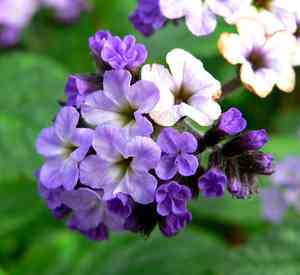
Originating from Florida and the Caribbean, scorpion's-tail is a perennial woody plant recognized for its curving branches and white, spiraled flower clusters. Trimming should concentrate on eliminating deceased or ailing wood, sculpting the plant, and managing its dimensions. The most suitable periods for pruning are throughout spring, summer, and autumn, which align with its robust growth periods and blooming cycles. Cutting back scorpion's-tail encourages fresh development and preserves the plant's well-being. Specific considerations involve sanitizing implements to avert pathogen transmission and executing precise cuts to aid swift recovery.
What Are the Benefits of Pruning Scorpion's-tail?
What Are the Benefits of Pruning Scorpion's-tail?
Trimming scorpion's-tail promotes vigorous development and maintains a tidy form, fostering a lush appearance and improving overall plant vitality.
What Is the Best Time for Pruning Scorpion's-tail?
What Is the Best Time for Pruning Scorpion's-tail?
Pruning or trimming scorpion's-tail in late Spring stimulates new growth as the plant emerges from dormancy, allowing ample time for healing and new foliage production before the intense stresses of mid-summer heat. Early Summer is another suitable pruning period, aligning with an active growth phase for scorpion's-tail, which enables the plant to quickly seal pruning wounds and minimize disease entry. Early Fall pruning coincides with the end of the active growth cycle, permitting scorpion's-tail to reallocate energy to root and shoot development prior to winter's arrival. However, it's crucial not to prune too late in the Fall, as the plant requires sufficient time to recover before cold weather sets in. These timing guidelines ensure the plant maintains robust health, minimizes stress, and enters its natural dormancy in optimal condition.
What Tools Do I Need to Prune Scorpion's-tail?
Bypass Pruners
Perfect for making clean cuts on live stems and small branches of scorpion's-tail, bypass pruners create a precise incision vital for the plant's healthy regeneration.
Gardening Gloves
Essential for shielding hands from thorns and rough plant material while pruning scorpion's-tail, ensuring safe gardening practices.
Pruning Saw
For thicker, woodier stems of scorpion's-tail that bypass pruners cannot manage, a pruning saw is necessary to make clean cuts without harming the plant.
Long-Handled Loppers
If scorpion's-tail has developed thick stems or is too dense for hand pruners, long-handled loppers offer the reach and leverage to prune effectively.
Sharpening Tool
Keeping pruning tools sharp is critical for making clean cuts on scorpion's-tail, which encourages rapid healing and reduces disease risk.
How to Prune Scorpion's-tail
Clean Tools
Before starting to prune scorpion's-tail, clean and sanitize pruning shears to prevent the spread of diseases among plants.
Identify Withered Leaves
Thoroughly inspect scorpion's-tail to locate withered or dead leaves that require removal. Look for leaves that are brown, dry, or otherwise discolored.
Cut Withered Leaves
Using the clean shears, snip off the withered leaves at their base, where the leaf stem meets the main stem or branch. Make a clean cut as close to the branch as possible without causing damage.
Dispose Withered Leaves
Immediately remove and discard the withered leaves in a bin or compost pile to prevent potential pest infestations or diseases.
Monitor Health
After pruning, observe scorpion's-tail for signs of new growth or any issues, and ensure the plant receives appropriate care, such as watering and feeding, to promote healthy development.
Common Pruning Mistakes with Scorpion's-tail
Over-Pruning
Removing too much foliage from scorpion's-tail can stress the plant, diminish its ability to photosynthesize efficiently, and impede its growth and blooming potential.
Using Dull Tools
Pruning scorpion's-tail with dull or unclean equipment can result in jagged cuts that are more vulnerable to disease and may not heal properly.
Unintentional Damage
Accidentally harming the main stems or root system while cutting back scorpion's-tail can lead to poor plant health and may compromise its structural integrity.
Neglecting Diseased Areas
Failing to remove dead or diseased branches from scorpion's-tail during pruning can allow the problem to spread, impacting the plant's overall health.
Improper Cut Locations
Incorrect placement of pruning cuts on scorpion's-tail can lead to undesirable growth patterns or hinder the healing of the pruned area.
Disregarding Plant Shape
Ignoring the natural form of scorpion's-tail when pruning may result in an unattractive shape and uneven growth.
Common Pruning Tips for Scorpion's-tail
Clean And Sharp Tools
Always use sharp, clean pruning shears or scissors to ensure precise cuts that scorpion's-tail can heal from quickly and effectively.
Identify Areas To Prune
Carefully examine scorpion's-tail to determine which areas need thinning to promote air circulation and light penetration, which encourages healthy growth.
Timing Per Growth Cycle
Understand scorpion's-tail's growth cycle to prune at a time that won't hinder flower development or the emergence of new growth.
Protective Measures
Wear gloves and protective clothing as needed when pruning scorpion's-tail to avoid injury from any sharp branches or thorns.
Consider Plant Health
Assess scorpion's-tail's overall health before beginning to prune, as stressed plants may not recover well from pruning.
Gradual Pruning
Prune scorpion's-tail gradually, removing smaller amounts over time rather than a large portion all at once to prevent shock.
Healing And Recovery
Allow scorpion's-tail sufficient time to heal and recover after pruning before conducting any further significant trimming or garden maintenance activities.
Disposal Of Debris
Properly dispose of all pruned material from scorpion's-tail to prevent the spread of any potential diseases or pests.



