The Scorpion's-tail Plant Advantage: Maximizing Home and Office Appeal and Wellness
1
Scorpion's-tail is recognized for its beautiful bloom show, drawing in many pollinators.
2
It flourishes across diverse soil and weather conditions, establishing it as an adaptable garden specimen.
3
This flora holds cultural importance and finds application in various customary rituals.
What Makes Scorpion's-tail Unique?
A Visual Delight
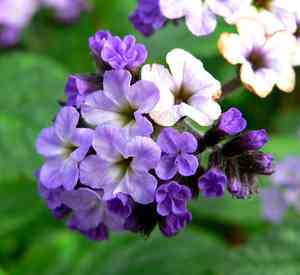
Scorpion's-tail offers a captivating sight, with its distinctive, coiled flower clusters that can brighten any garden. The blossoms emerge in groups, creating an enchanting visual display that stands out. These flowers can impart a touch of grace and vibrancy, enhancing your outdoor area.
Pollinator Attractor
A key characteristic of Scorpion's-tail is its capacity to draw in various pollinators, such as bees, butterflies, and hummingbirds. These pollinators are vital for your garden's well-being, as they aid in the fertilization of other plants, fostering a more vibrant and diverse ecosystem. By cultivating Scorpion's-tail, you're not just beautifying your garden but also supporting local biodiversity.
Cultivating Scorpion's-tail Successfully
Soil and Light Needs
Scorpion's-tail isn't overly particular about soil. Whether your soil is sandy, loamy, or even slightly clay-like, this plant can adapt and thrive. However, it performs best in well-draining soil with a neutral pH. Regarding sunlight, Scorpion's-tail flourishes in full sun to partial shade, making it suitable for diverse garden environments.
Watering and Upkeep
While Scorpion's-tail requires relatively little upkeep, proper irrigation is crucial for its health. It needs consistent watering, especially during dry periods. Nevertheless, be careful not to overwater, as this can lead to root decay. Pruning is another beneficial maintenance practice; removing faded flowers can stimulate new blooms and keep the plant looking its best.
Ecological Advantages of Planting Scorpion's-tail
Erosion Prevention
Scorpion's-tail is effective at preventing soil erosion, particularly on inclines and embankments. Its robust root system helps bind the soil, reducing the risk of landslides and soil loss. This makes it a valuable addition to gardens needing soil stabilization.
A Sanctuary for Wildlife
Beyond attracting pollinators, Scorpion's-tail provides a habitat for various small creatures and insects. Its dense foliage can offer shelter and nesting spots, contributing to a healthier and more balanced garden ecosystem. This aspect is especially beneficial for gardeners aiming to create a wildlife-friendly space.
Cultural and Traditional Importance
Historical Applications
Scorpion's-tail has been utilized in various cultural practices across different regions. Its distinctive appearance and growth patterns have earned it a place in folklore and traditional festivities. Understanding its cultural context adds an additional layer of appreciation for this adaptable plant.
Gardening Customs
In many cultures, planting Scorpion's-tail is considered a tradition passed down through generations. It not only enhances the garden aesthetically but also serves as a living connection to cultural heritage. Incorporating Scorpion's-tail into your garden can be a way to honor these traditions while enjoying its many practical benefits.



