Enhancing Your Garden Design with the Scorpion's-tail Plant: A Landscaping Guide
1
Scorpion's-tail is a adaptable plant capable of thriving in diverse settings.
2
Strategic positioning and complementary planting can enhance the aesthetic appeal of Scorpion's-tail in your outdoor space.
3
Scorpion's-tail offers enduring ecological and financial advantages for your property.
Why Select Scorpion's-tail for Your Outdoor Space?
Visual Allure: Explore the distinct charm of Scorpion's-tail
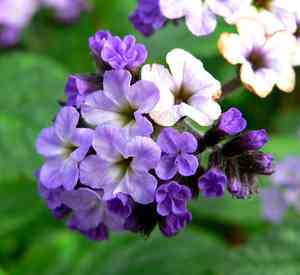
A primary justification for incorporating Scorpion's-tail into your landscape is its singular and captivating aesthetic. With its delicate blossoms and abundant foliage, Scorpion's-tail can significantly elevate the beauty of any garden. The plant's characteristic form and vibrant blooms can establish a striking focal point, introducing texture and color to your outdoor area. Whether you're aiming for a contemporary, minimalist look or a more classic, cottage-style garden, Scorpion's-tail offers adaptability and grace that can complement various design concepts.
Adaptability: How well does Scorpion's-tail adjust to diverse environments?
Scorpion's-tail exhibits high adaptability, making it an excellent option for gardeners across a broad spectrum of climates and soil conditions. This resilience enables it to flourish in both sunny and partially shaded spots, accommodating different garden setups. This flexibility extends to its soil preference; while Scorpion's-tail performs optimally in well-draining soil, it can endure various soil types, including sandy and clay. This positions Scorpion's-tail as a versatile choice for gardeners who might encounter challenging environmental circumstances.
Maintenance Level: Is Scorpion's-tail easy to care for?
A prominent characteristic of Scorpion's-tail is its minimal maintenance requirements. Unlike more demanding plants, Scorpion's-tail does not necessitate constant attention and care, rendering it an ideal selection for busy gardeners or those new to horticulture. Regular irrigation and periodic trimming are typically sufficient to keep Scorpion's-tail healthy and flourishing. Furthermore, Scorpion's-tail is relatively resistant to pests and robust, which lessens the need for chemical treatments and frequent interventions, allowing you to enjoy a beautiful garden with little effort.
Integrating Scorpion's-tail into Your Existing Garden Design
Choosing the Optimal Spot: Where to plant Scorpion's-tail for best growth
Selecting the appropriate location for Scorpion's-tail is vital for its optimal development. Ideally, pick a site that receives ample sunlight while also offering some shade during the warmest parts of the day. This balance will help Scorpion's-tail thrive without experiencing stress from excessive heat. Additionally, consider the soil quality in your chosen area; ensure it drains well to prevent root rot. If your garden has heavy clay soil, amending it with organic material can enhance drainage and create a healthier environment for Scorpion's-tail.
Companion Planting: Which plants complement Scorpion's-tail in a landscape?
Companion planting is an excellent method to enhance the visual appeal of Scorpion's-tail in your garden. Pair Scorpion's-tail with plants that share similar environmental needs to create a harmonious and unified landscape. Consider combining Scorpion's-tail with other low-maintenance plants that provide contrasting textures and colors. For instance, pairing Scorpion's-tail with ornamental grasses or ground covers can create a layered look that adds depth and interest to your garden. Moreover, utilizing plants that deter common pests can help safeguard Scorpion's-tail from potential issues.
Creating Focal Points: Using Scorpion's-tail to draw attention in your garden
Scorpion's-tail can be strategically employed to establish focal points in your garden, attracting the eye and adding interest to your landscape design. Planting Scorpion's-tail near entrances or along pathways can highlight these areas and guide visitors through your garden. For a more striking effect, consider planting a cluster of Scorpion's-tail in a prominent spot, allowing its unique beauty to stand out. Combining Scorpion's-tail with garden ornaments, such as statues or birdbaths, can further enhance its role as a focal point and create a stunning visual display.
Seasonal Considerations for Scorpion's-tail in Landscaping
The best times of year to plant Scorpion's-tail
Understanding the optimal times of year to plant Scorpion's-tail can significantly influence its growth and vitality. Generally, the ideal planting period for Scorpion's-tail is during spring when the soil has warmed but before the peak summer heat. This timing allows Scorpion's-tail to establish its root system and adapt to the environment before enduring the stress of high temperatures. Alternatively, planting Scorpion's-tail in early autumn can also be advantageous, as the cooler weather and increased rainfall aid the plant in settling in and preparing for winter.
Seasonal care tips for Scorpion's-tail: What to do in spring vs. autumn
Seasonal care for Scorpion's-tail involves adjusting your gardening practices to suit the changing weather conditions. In spring, focus on providing ample water to support new growth and consider applying a balanced fertilizer to encourage robust development. As summer approaches, ensure that Scorpion's-tail receives adequate shade and water to prevent heat stress. Come autumn, reduce watering to avoid over-saturation and prepare Scorpion's-tail for the colder months by mulching around the base to protect the roots. Pruning spent flowers and damaged leaves in autumn will also help maintain the plant's health and appearance.
Understanding seasonal growth cycles of Scorpion's-tail
Recognizing the seasonal growth patterns of Scorpion's-tail can help you manage its care more effectively. Scorpion's-tail typically experiences vigorous growth during spring and summer when conditions are most favorable. During this period, regular pruning and pest monitoring can support healthy development. In contrast, Scorpion's-tail's growth slows in autumn and winter, focusing energy on root development and maintenance. Being aware of these cycles allows you to tailor your care practices, ensuring Scorpion's-tail remains healthy and vibrant year-round.
Long-term Benefits of Including Scorpion's-tail in Landscapes
Environmental Impact: How does planting Scorpion's-tail benefit your local ecosystem?
Incorporating Scorpion's-tail into your landscape offers substantial environmental advantages. As a plant native to many regions, Scorpion's-tail supports local biodiversity by providing habitat and sustenance for various wildlife, including pollinators like bees and butterflies. Additionally, Scorpion's-tail can help improve soil health by preventing erosion and promoting water retention, reducing the need for excessive irrigation. By choosing to include Scorpion's-tail in your garden, you contribute to the health and sustainability of your local ecosystem.
Enhancing Biodiversity: The role of Scorpion's-tail in supporting wildlife
Scorpion's-tail plays a vital role in boosting biodiversity within your garden. Its flowers attract a range of pollinators, which are crucial for the health and reproduction of many plants. This, in turn, supports a diverse array of wildlife, from insects to birds. By providing a reliable food source and habitat, Scorpion's-tail fosters a balanced and thriving ecosystem. Moreover, planting Scorpion's-tail alongside other native species can create a more comprehensive support system for local wildlife, further enriching the biodiversity of your garden.
Property Value: Can Scorpion's-tail increase your home's aesthetic and market value?
Integrating Scorpion's-tail into your landscape can positively influence your property's aesthetic appeal and market value. A well-designed garden featuring Scorpion's-tail can boost curb appeal, making your home more attractive to prospective buyers. The visual interest and environmental benefits offered by Scorpion's-tail can be appealing selling points, potentially increasing the overall value of your property. Furthermore, a garden that supports local wildlife and demonstrates sustainable practices can resonate with environmentally conscious buyers, adding an extra layer of desirability.
Common FAQs About Using Scorpion's-tail in Landscaping
How quickly does Scorpion's-tail grow and spread?
Scorpion's-tail typically exhibits a moderate growth rate, allowing it to establish rapidly without becoming invasive. With proper care, you can anticipate significant growth within the initial season, with the plant gradually expanding to cover more area over time. Regular trimming can help manage its spread and maintain its desired form.
Can Scorpion's-tail thrive in shaded areas?
While Scorpion's-tail prefers sunny locations, it can also flourish in partially shaded areas. Ensuring that Scorpion's-tail receives a combination of sunlight and shade throughout the day can support healthy growth. However, excessive shade may limit its flowering potential, so aim for a spot that balances these conditions effectively.
Debunking myths: The truth about caring for Scorpion's-tail
There are several misconceptions surrounding the care of Scorpion's-tail, such as the necessity for constant watering or extensive pruning. In reality, Scorpion's-tail is relatively low maintenance, thriving with moderate irrigation and occasional trimming. By understanding and fulfilling its basic needs, you can enjoy the benefits of Scorpion's-tail without the burden of intensive care routines.



