How to Prune Alkali seaheath?
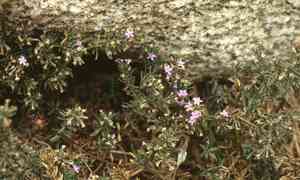
Recognized for its significant salt resistance, alkali seaheath flourishes in demanding conditions. The most suitable times for trimming extend from spring to autumn, deliberately bypassing winter to avert strain. Remove lifeless or compromised stems to preserve the plant's well-being and form, fostering thick, abundant development. Judicious removal of older central limbs improves air movement. Trimming provides the twin advantages of visual enhancement and stimulates robust growth by channeling vitality to sound foliage.
What Are the Benefits of Pruning Alkali Seaheath?
What Are the Benefits of Pruning Alkali Seaheath?
Trimming alkali seaheath promotes robust development and maintains its desired form, contributing to a healthier and more visually appealing specimen.
What Is the Best Time for Pruning Alkali Seaheath?
What Is the Best Time for Pruning Alkali Seaheath?
Pruning alkali seaheath during spring is ideal as it's early in the growth cycle, allowing the plant to recover and grow vigorously in subsequent months. This timing also prevents the removal of buds that would become that year's flowers or fruits. Fall pruning is effective because it enables gardeners to eliminate dead or diseased growth after the active season, preparing alkali seaheath for winter and ensuring strong growth the following spring.
What Tools Do I Need to Prune Alkali Seaheath?
Hand Pruners
Perfect for making accurate cuts on alkali seaheath, minimizing harm to the plant's slender stems.
Pruning Shears
Suitable for shaping alkali seaheath and easily managing its overall size, thanks to their ergonomics and cutting power.
Gardening Scissors
Excellent for snipping off dead or yellowed leaves without disturbing the rest of alkali seaheath's foliage.
How to Prune Alkali Seaheath
Clean Tools
Before starting, ensure all pruning tools are clean and sharp to prevent disease spread and make precise cuts on alkali seaheath.
Inspect
Examine alkali seaheath closely to identify diseased leaves, withered leaves, dead branches, and diseased branches that need removal.
Remove Diseased Leaves
Carefully trim away any diseased leaves from alkali seaheath using pruning shears, cutting them at the base of the leaf stem to avoid damaging healthy tissue.
Trim Withered Leaves
Cut back withered leaves to the point of healthy growth, ensuring clean cuts that do not tear alkali seaheath's remaining foliage.
Prune Dead And Diseased Branches
Remove dead and diseased branches from alkali seaheath, cutting back to the point of healthy wood. Make angled cuts to facilitate water runoff and prevent decay.
Common Pruning Mistakes with Alkali Seaheath
Overpruning
Removing too much foliage or too many branches at once can stress alkali seaheath, hindering its growth and recovery.
Imprecise Cuts
Making jagged or torn cuts can create open wounds on alkali seaheath that are susceptible to disease or pest infestation.
Using Dull Tools
Using unsharpened pruning tools can damage the branches and stems of alkali seaheath, leading to an unhealthy plant structure.
Ignoring Plant Shape
Failing to consider the natural shape of alkali seaheath can result in an unbalanced or unnatural appearance after pruning.
Pruning Without A Goal
Randomly cutting without a clear goal or understanding of the plant's growth pattern can lead to poor health and aesthetics for alkali seaheath.
Common Pruning Tips for Alkali Seaheath
Clean Equipment
Always use clean, sharp tools to make precise cuts on alkali seaheath, which help promote quick healing and prevent the spread of disease.
Prune For Health
Remove dead, damaged, or diseased branches of alkali seaheath to maintain plant health and stimulate new growth.
Thinning
Thin out crowded areas to ensure adequate air circulation and light penetration, vital for the health and vigor of alkali seaheath.
Shaping
Lightly shape alkali seaheath to enhance its natural form, being careful to avoid excessive topiary-like shaping unless it is an established plant purpose.
Appropriate Technique
Use appropriate pruning techniques such as cutting at a 45-degree angle just above a bud facing the outside of the plant, to encourage alkali seaheath to grow in a desirable direction.



