Enhancing Your Garden Design with the Alkali seaheath Plant: A Landscaping Guide
1
Alkali seaheath provides a distinctive aesthetic with its particular hue and feel.
2
It suits diverse garden designs, such as structured, rustic, and contemporary settings.
3
Given its ability to withstand dry conditions and minimal care requirements, Alkali seaheath presents a sensible option for eco-friendly garden design.
Appreciating the Visual Charm of Alkali Seaheath
Appearance Traits: Hue and Texture
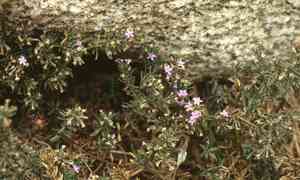
Alkali seaheath distinguishes itself in any setting due to its unique visual qualities. Its leaves present a distinct color range, from green to gray, offering a subtle yet striking contrast to other garden flora. The fine texture imparts a delicate, almost ethereal feel to the overall design. This blend of color and texture makes Alkali seaheath a versatile plant, enhancing the visual appeal of any landscaping project.
Seasonal Transformations and Their Aesthetic Impact
A key attractive feature of Alkali seaheath is its capacity for seasonal change. During spring and summer, this plant often produces small, delicate blossoms, adding splashes of color to your garden. As seasons transition to autumn and winter, the foliage may alter its shades, providing continuous evolution that keeps your landscape engaging year-round. These seasonal shifts not only introduce dynamic visual elements but also foster a more captivating and vibrant garden environment.
How Alkali Seaheath Harmonizes with Other Plants in Design
Alkali seaheath is remarkably adaptable and complements a wide array of other plants, making it an excellent choice for mixed borders or layered garden schemes. Its understated colors and fine texture can serve as a neutral backdrop for more vivid flowers or striking foliage, thereby improving the garden's overall composition. Furthermore, its low-growing habit makes it perfect for ground cover, seamlessly integrating into various garden layouts and providing a unified look.
Integrating Alkali Seaheath into Diverse Landscape Styles
Optimal Practices for Utilizing Alkali Seaheath in Formal Gardens
In structured garden environments, Alkali seaheath can be employed to establish crisp lines and organized designs. Its consistent growth pattern makes it ideal for edging, delineating paths, or even forming low hedges. When arranged in geometric patterns or repetitive forms, Alkali seaheath instills a sense of order and precision, which are fundamental aspects of formal garden design. Combine it with symmetrical plantings of other species to achieve a balanced and harmonious appearance.
Incorporating Alkali Seaheath into Cottage and Natural Garden Designs
Alkali seaheath also integrates beautifully into more relaxed, cottage-style gardens or naturalistic settings. Its modest beauty allows it to blend effortlessly with various flowering plants and grasses, adding depth and texture without dominating other elements. Consider using Alkali seaheath in informal drifts or clusters to create a more organic and relaxed atmosphere. Its adaptability to different soil types and growing conditions makes it an easy addition to these design styles.
Employing Alkali Seaheath in Modern and Minimalist Landscapes
For modern or minimalist landscapes, Alkali seaheath is an ideal fit due to its clean lines and elegant simplicity. It can be used as a solitary specimen for a minimalist statement or combined with other sleek, architectural plants to achieve a contemporary look. Incorporating Alkali seaheath in gravel gardens or alongside hardscape elements like stone or metal can accentuate its delicate features while maintaining a modern aesthetic. Use it to add subtle sophistication to your minimalist garden designs.
Practical Advantages of Alkali Seaheath in Landscaping
Drought Resilience and Minimal Water Needs
A key benefit of Alkali seaheath is its exceptional drought tolerance. This plant is well-suited to dry conditions, making it an excellent option for water-efficient landscaping. Once established, Alkali seaheath requires very little watering, helping to conserve water and reduce maintenance efforts. This drought resistance not only makes it environmentally friendly but also a practical choice for areas with water restrictions or those aiming for sustainable gardens.
Soil Stabilization and Ecological Benefits
Alkali seaheath offers significant environmental advantages beyond its visual appeal. Its robust root system aids in soil stabilization, making it an effective plant for erosion control on slopes or sandy soils. By planting Alkali seaheath, you contribute to the overall health of your garden ecosystem, as it can improve soil structure and support beneficial microorganisms. Additionally, its ability to thrive in saline conditions expands its utility across various landscapes.
Care Guidelines for Enduring Landscaping Success
Maintaining Alkali seaheath in your landscape is relatively simple, thanks to its resilient nature. Regularly inspect the plant for signs of stress, and ensure it is not overwatered, as it prefers well-drained soil. Pruning is generally minimal but can be performed to maintain the desired shape and remove any dead or damaged parts. Mulching around the base can help retain soil moisture and suppress weeds. With these straightforward care tips, Alkali seaheath can continue to enhance your garden for many years.



