How to Propagate Alkali seaheath?
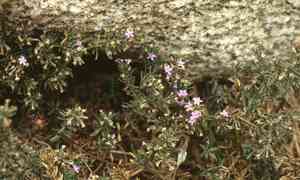
Alkali seaheath, originating from salty habitats, can be effectively multiplied via cuttings. For best outcomes, collect robust, non-blooming stems in late spring or early summer and apply a rooting stimulant to enhance root formation. Insert the cuttings into porous soil, ensuring steady dampness without oversaturation. Protecting these cuttings from direct solar exposure initially can assist in their successful establishment and rooting.
Optimal Period for Alkali Seaheath Propagation
Propagation Method
Cutting
Propagation Season
Spring,Summer
Tools for Alkali Seaheath Propagation
Sharp pruning shears
Crucial for making clean cuts on alkali seaheath stems, minimizing harm and promoting rapid recovery. Sharp blades ensure precise cuts, lowering infection risk and plant stress.
Rooting hormone
Stimulates root formation in alkali seaheath cuttings by encouraging growth at the cut site. This hormone is especially helpful for improving rooting success in alkali seaheath, which might otherwise root slowly.
Sterile potting mix
Offers a clean, controlled setting for alkali seaheath cuttings, maintaining adequate moisture and preventing fungal or bacterial illnesses. A sterile medium is vital for alkali seaheath to avoid soil pathogens that could harm delicate new roots.
Propagation tray
Used to arrange and manage multiple alkali seaheath cuttings in a single, compact area. Trays help maintain consistent moisture and are easy to cover if a humidity-controlled environment is needed.
Plastic covers or humidity domes
Maintain high humidity around alkali seaheath cuttings, essential for preventing them from drying out before roots form. This tool simulates a mini-greenhouse, providing crucial moisture retention during the critical early rooting stages.
How to Propagate Alkali Seaheath?
Propagation Type
Easy
Caring for Your Newly Propagated Alkali Seaheath
Caring for Your Newly Propagated Alkali Seaheath?
Once alkali seaheath has developed roots, gradually introduce it to less humid conditions by removing the plastic cover. Continue to irrigate the plant to keep the soil consistently moist and place it in an area with full sun to partial shade. Alkali seaheath can withstand salty and alkaline conditions, so occasional saline water applications can help mimic its natural habitat. Avoid over-watering as alkali seaheath prefers well-drained soils.
Common Propagation Errors to Avoid with Alkali Seaheath
Overwatering
Excessive watering can lead to root rot and other fungal diseases, as alkali seaheath thrives in environments that are not overly saturated. This error can significantly hinder root development and decrease the survival rate of new plants.
Using nutrient-rich soil
Selecting overly fertile soil for alkali seaheath can result in poor growth and a weak structure. Alkali seaheath is adapted to flourish in poorer soil conditions, and too many nutrients, especially nitrogen, can suppress its natural growth patterns.
Ignoring pH levels
Failing to adjust the soil to a slightly alkaline pH can impede alkali seaheath's growth, as it naturally thrives in alkaline conditions. Planting in an unsuitable pH can lead to nutrient absorption issues and stunted growth.
Tips for Propagating Alkali Seaheath
Correct soil preparation
Prepare a soil mix with low to moderate fertility and ensure it drains well. Using soil that mimics alkali seaheath's natural sandy and alkaline habitat can aid in establishing a robust root system.
Moderate watering
Maintain a moderate watering schedule to prevent soil saturation. It is crucial to keep the soil moist but not wet, particularly during the rooting phase, to encourage healthy root growth without risking fungal diseases.
Controlled sun exposure
While alkali seaheath tolerates dry and sunny conditions, during the initial propagation stages, providing some shade is beneficial to prevent excessive evaporation until the plant is well established.



