How to Prune Mountain stopper?
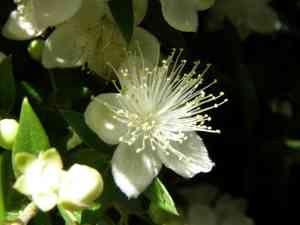
This thick, perennial shrub, recognized by its lustrous green foliage and white blossoms, thrives with deliberate trimming. For mountain stopper, conduct pruning in springtime to sculpt, control dimensions, and foster robust development. Eliminate any deceased or compromised limbs, and thin congested sections to improve air movement. Gently snip back recent shoots to encourage a fuller appearance; refrain from severe reduction. Pruning boosts the plant's well-being and highlights its decorative charm, guaranteeing a compact and appealing environment for local fauna.
Advantages of Trimming Mountain Stopper
Advantages of Trimming Mountain Stopper
Trimming mountain stopper promotes more abundant fruit production, encourages robust development, and helps maintain its desired form, ensuring the plant stays healthy and visually appealing.
Optimal Time for Trimming Mountain Stopper
Optimal Time for Trimming Mountain Stopper
Early Spring is the best time to trim mountain stopper before new growth starts. This period allows the gardener to remove any dead or damaged branches left by winter, without harming new buds. Late Spring, after the last frost, is ideal for mountain stopper's health as it ensures the plant has completed its dormant phase, reducing stress and potential damage to new growth. Trimming during these times also helps maintain the desired shape and size of mountain stopper, improves sunlight penetration and air circulation throughout the plant, contributing to vigorous growth and lowering the risk of disease. Additionally, it prevents the removal of flower buds, which formed in the previous season, ensuring that the flowering and fruiting potential is not compromised.
Tools Required for Trimming Mountain Stopper
Hand Pruners
Perfect for cutting small branches up to 1 inch in diameter, ensuring clean and accurate cuts for mountain stopper's smaller stems without causing unnecessary harm to the plant.
Lopping Shears
Designed for thicker branches between 1 and 2 inches thick, providing the necessary leverage and cutting power needed to maintain the larger stems of mountain stopper without straining the gardener's hands.
Pruning Saw
Suitable for larger branches over 2 inches thick that hand pruners and lopping shears cannot manage, enabling safe and efficient removal of dense growth on mountain stopper.
Hedge Shears
Useful for shaping and maintaining the dense foliage of mountain stopper, allowing for even trimming of hedges or shaping the plants efficiently with minimal leaf bruising.
Pruning Gloves
Protects the hands from thorns and rough bark, ensuring the gardener's safety while trimming mountain stopper.
Pruning Knife
Useful for making precise and clean cuts especially in areas where hand pruners cannot fit, thus being instrumental for detailed work on mountain stopper.
How to Trim Mountain Stopper
Clean Tools
Before trimming mountain stopper, sanitize all pruning tools with a solution of 1 part bleach to 9 parts water to prevent the spread of disease.
Remove Dead
Identify and carefully remove dead branches from mountain stopper by cutting at the point of origin or back to a strong lateral branch, using sharp and clean pruning shears.
Remove Diseased
Cut away any diseased branches from mountain stopper as soon as they are noticed. Make the cut well below the affected area to ensure all diseased tissue is removed.
Disposal
Dispose of all removed dead and diseased branches far from healthy mountain stopper plants to prevent any potential spread of disease.
Cleanup
After trimming mountain stopper, clean up all debris around the plant to maintain good hygiene and reduce the likelihood of disease.
Common Trimming Errors with Mountain Stopper
Over-Pruning
Trimming more than one-third of mountain stopper's foliage at any given time can stress the plant, potentially leading to poor growth or reduced flowering.
Improper Cut Location
Cutting too far from a bud, or leaving a long stem above the bud, may result in dead stubs that can invite disease and pests.
Using Dull Tools
Dull pruning tools can create jagged cuts that are more susceptible to infections, making it essential to use sharp and clean pruning equipment.
Pruning Without A Plan
Random or excessive cutting without understanding the growth pattern of mountain stopper can lead to an undesirable shape and may harm the plant's health.
Neglecting Sanitation
Failing to sterilize tools between cuts, especially when dealing with diseased branches, can spread pathogens throughout the plant.
Common Trimming Tips for Mountain Stopper
Identify The Goal
Establish whether the goal is to maintain shape, size, promote health, or encourage flowering before making any cuts, to guide the trimming process.
Choose The Right Tool
Use sharp, clean secateurs or loppers designed for the branch size of mountain stopper, ensuring clean and precise cuts.
Cut At An Angle
Make angled cuts just above outward-facing buds to encourage outward growth and prevent water accumulation, which can cause rot.
Remove Dead Material
Regularly remove dead, diseased, or damaged wood to maintain the health and appearance of mountain stopper, cutting back to healthy tissue.
Thin Out Crowded Areas
Thin out crowded areas to improve air circulation and light penetration, which is crucial for the health and flowering of mountain stopper.



