How to Propagate Mountain stopper?
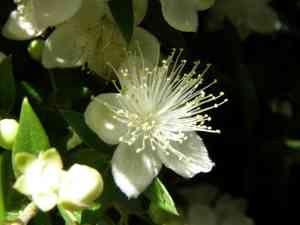
Originating in littoral rainforests, mountain stopper is primarily suited for propagation via the grafting technique. This process entails joining a shoot from mountain stopper to the root system of a closely related plant to guarantee compatibility and successful development. When performing mountain stopper grafting, accuracy and hygiene are essential. Employ a keen and sanitized blade to execute precise incisions, and confirm that the cambium layers of the scion and rootstock are aligned for the best vascular connection. Post-grafting attention is crucial: the grafted section must be tightly bound and observed for indications of disease or rejection. Through careful management, grafting offers an efficient way to multiply mountain stopper, preserving its distinct traits and ensuring vigorous development under appropriate circumstances.
What Is the Best Time To Propagate Mountain Stopper?
Propagation Type
Grafting
Propagation Season
Spring,Winter
What Tools Are Used in Mountain Stopper Propagation?
Grafting Knife
A grafting knife is crucial for making precise cuts needed for effective mountain stopper grafting. Its sharp, thin blade minimizes plant tissue damage, vital for successful union and healing. Using a specialized grafting knife reduces pathogen risk and promotes faster recovery and graft establishment.
Grafting Tape or Parafilm
This tool secures the grafted mountain stopper parts, maintaining necessary humidity and protection at the graft site. Grafting tape or parafilm is flexible, adapting to swelling plant tissues as they heal, ensuring a tight seal without hindering growth.
Rooting Hormone
While primarily for cutting propagation, rooting hormone can also aid mountain stopper during grafting. Applying a suitable rooting hormone to cuttings before grafting can encourage faster establishment and better survival rates. This fosters stronger bond formation between scion and rootstock, enhancing overall graft success.
Disinfectant for Tools
Sterilizing all cutting and grafting tools with a disinfectant before use is essential to prevent disease spread to mountain stopper. Disease management is critical for maintaining the overall health and viability of grafts, ensuring successful establishment and growth post-propagation.
How to Propagate Mountain Stopper?
Propagation Type
Moderately Difficult
How to Care for Your Newly Propagated Mountain Stopper?
How to Care for Your Newly Propagated Mountain Stopper?
Once the graft has successfully taken and new growth is established, gradually acclimate the mountain stopper to its final growing conditions. Mountain stopper should be planted in well-draining soil with consistent moisture, avoiding waterlogged conditions. It prefers a sunny to partially shaded location and benefits from regular feeding with a balanced, slow-release fertilizer during the growing season. Monitor for pests and diseases, and maintain a consistent pruning routine to shape the plant and encourage bushy growth.
Common Mistakes to Avoid When Propagating Mountain Stopper
Ignoring soil drainage
Using a soil mix that lacks adequate drainage can lead to waterlogging, potentially causing root rot in mountain stopper.
Overwatering cuttings
Excessive watering of mountain stopper cuttings can create a humid environment prone to fungal infections, jeopardizing the propagation process.
Neglecting hygiene
Failing to sterilize cutting tools or pots can introduce pathogens, negatively impacting the health of mountain stopper cuttings.
Using overmature cuttings
Taking cuttings from overly mature or woody parts of mountain stopper may result in lower rooting success due to reduced vigor and slower rooting.
Overlooking light requirements
Insufficient light can hinder rooting and growth of mountain stopper cuttings, as the plant needs bright, indirect light for optimal development.
Tips For Propagating Mountain Stopper
Correct soil mix
Utilize a well-draining soil mix with organic matter to support the initial growth of mountain stopper without causing water retention.
Moisture control
Keep the soil of mountain stopper cuttings consistently moist but not waterlogged, allowing the medium to dry out slightly between waterings.
Tool sanitation
Sterilize all tools and containers before use to prevent the spread of disease to mountain stopper cuttings.
Juvenile cuttings
Select healthy, semi-ripe, non-woody cuttings from mountain stopper for higher rooting potential and quicker establishment.
Appropriate lighting
Provide mountain stopper with bright, indirect sunlight or use a grow light to ensure enough energy for rooting and initial growth without scorching the cuttings.



