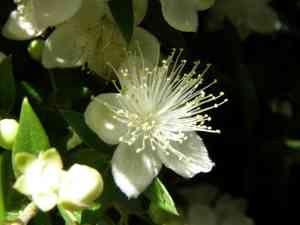
Mountain stopper (Eugenia reinwardtiana)
Also known as: Cedar Bay Cherry, Australian Beach Cherry
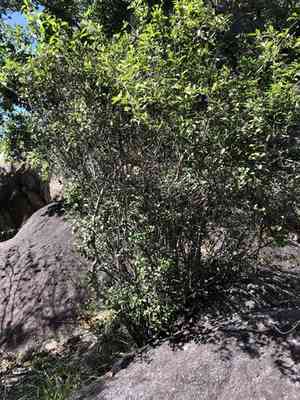
They usually range from 2 to 6 meters in height.
In This Article
Attributes of Mountain stopper
Lifespan
Perennial
Plant Type
Tree, Shrub
Plant Height
5 m
Spread
2.5 m
Leaf Color
Glossy green
Flower Size
2 cm
Flower Color
White Cream
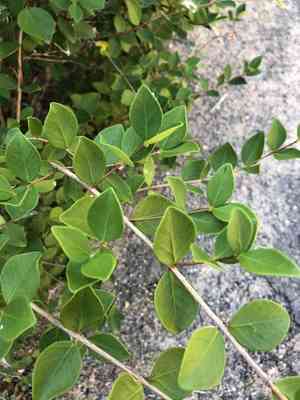
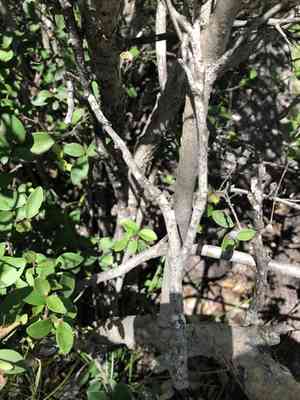
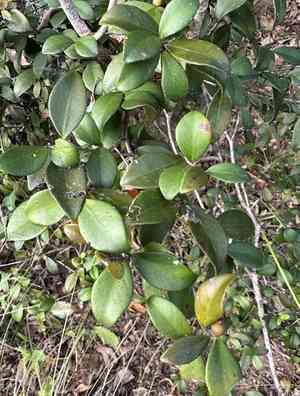
Images of Mountain stopper
Quickly Identify Mountain stopper
1
Eugenia reinwardtiana can be identified by its small, glossy, elliptical leaves and clusters of small white flowers. The fruit is a distinctive bright red cherry-sized berry.
Scientific Classification of Mountain stopper
Phylum
Vascular plants
Class
Dicotyledons
Order
Myrtales
Family
Myrtle
Genus
Stoppers
Species
Mountain stopper
Planting and Growing of Mountain stopper
Care Difficulty
Easy
Watering Schedule
Every 4 days
Sunlight Requirements
Full sun
Sunshine Duration
6-10 hours
Ideal Temperature
68-86℉
Soil Type
Potting Mix, Peat Mix
Soil pH
5.5-7.5
Fertilizer Type
Balanced
Pruning Season
Spring, Summer
Pruning Area
Branches, Leaves
Pruning Frequency
2 times a year
Repotting Season
Spring
Pot Type
Terracotta, Plastic
 How to Water Mountain stopper?
Eugenia reinwardtiana thrives with a watering routine that ensures soil moisture without waterlogging. Aim to water approximately 250 mL per session, ensuring the water penetrates deeply to reach the root zone while avoiding standing water.
What are the symptoms of an underwatered Mountain stopper?
›
What should I do if my Mountain stopper is not getting enough water?
›
What are the symptoms of an overwatered Mountain stopper?
›
How to save an overwatered Mountain stopper?
›
 What Are the Sunlight Requirements for Mountain stopper?
Eugenia reinwardtiana thrives in full to partial sun, ideally between 6 to 8 hours of light. This range promotes healthy photosynthesis, essential for lush growth and fruit production.
More About Sunlight Requirements Techniques→
Ideal Light Question 1
›
Ideal Light Question 2
›
Ideal Light Question 3
›
 What Is the Ideal Temperature Range for Mountain stopper?
The ideal temperature range for Eugenia reinwardtiana is between 68°F and 86°F. In these conditions, the plant can thrive with optimal growth, producing healthy foliage and fruit. Such temperatures mimic the plant's native tropical environments, offering the warmth it needs.
 What Soil is Best for Mountain stopper?
Eugenia reinwardtiana thrives in soil that offers excellent drainage. This quality prevents root rot, ensuring healthy growth by allowing excess water to flow away quickly. This species benefits from soil enriched with organic matter, which provides essential nutrients for robust growth and enhances both soil structure and fertility. While the soil must be well-draining, it should also retain some moisture. This balance ensures that the plant's roots remain hydrated without becoming waterlogged.
 How to Fertilize Mountain stopper?
Eugenia reinwardtiana benefits from a moderate amount of fertilizer, ensuring not to overfeed. When using liquid fertilizers, dilute them to half the strength recommended by the manufacturer. For dry fertilizers, apply approximately 1-2 tablespoons around the plant base, depending on its size.
 How to Prune Mountain stopper?
Before starting, spend time observing the natural shape of Eugenia reinwardtiana. This will help you identify areas that need pruning without compromising the plant's natural aesthetic. Begin by removing any dead or diseased branches. This not only improves the appearance but also helps prevent potential spread of disease and allows for healthier growth. Gradually trim back overgrown or protruding branches to maintain a symmetrical shape. Aim for a rounded canopy by cutting back to a bud or a lateral branch, encouraging bushier growth. After pruning, ensure the plant is well-watered and check for any signs of shock. A balanced fertilizer can aid recovery and promote vigorous regrowth.
More About Pruning Techniques→
 How to Propagate Mountain stopper plant?
1
Select a healthy branch and make a clean cut using sharp pruners. The cutting should be about 4-6 inches long. Remove the lower leaves and any flowers to reduce water loss and focus energy on rooting.
2
Prepare a well-draining soil mix using equal parts of peat moss, sand, and perlite. This mix provides the right conditions for root development by ensuring optimal moisture retention and aeration.
3
Sow seeds in a planting tray filled with the prepared soil mix. Cover them lightly with soil, water gently, and place in a warm environment with indirect sunlight, maintaining a consistent temperature.
 How to Repot Mountain stopper plant?
1
Eugenia reinwardtiana should be repotted when its roots start to outgrow the container, often visible through drainage holes or by examining surface roots circling the pot. This signifies a new pot is necessary for further growth.
2
Select a pot that is one size larger than the current one, ideally with good drainage. A pot with drainage holes prevents waterlogging, ensuring the roots have access to both nutrients and oxygen, promoting healthier growth.
3
Opt for soil that balances drainage with moisture retention. A mix with organic compost, perlite, and sand caters to both drainage needs and sustains nutrients, providing an optimal environment for root development.



