Enhancing Your Garden Design with the Mountain stopper Plant: A Landscaping Guide
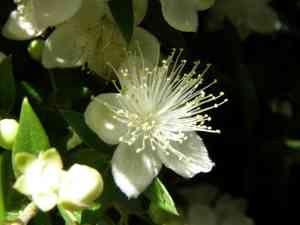
1
Mountain stopper offers a distinct texture and aesthetic charm to your garden, enhancing its prominence.
2
Mountain stopper draws in diverse birds and animals, fostering ecological variety within your outdoor space.
3
Careful location choice and ground conditioning are vital for Mountain stopper to flourish.
Why Select Mountain Stopper for Your Garden?
Visual Appeal: Grasp the Aesthetic Benefits
A primary reason gardeners and landscapers opt for Mountain stopper is its remarkable visual charm. This plant introduces a touch of sophistication and contrast to any garden with its lush leaves and pleasing form. Its vibrant foliage can serve as a stunning backdrop or a captivating focal point. Integrating Mountain stopper into your garden design can elevate the overall look, providing layers of texture and color that can be particularly striking when mixed with other plants.
Design Variety: How Mountain Stopper Adds Unique Textures
Mountain stopper is well-known for its capacity to bring variety to garden designs. Its distinct texture sets it apart from many other plants, helping to create a dynamic and visually engaging landscape. Whether you're crafting a modern minimalist garden or a lush tropical retreat, Mountain stopper's unique presence can enhance your design. By combining it with plants of differing heights, colors, and shapes, you can achieve a balanced and harmonious appearance that stands out in your neighborhood.
Birds and Wildlife: Attracting Nature with Mountain Stopper
A notable advantage of cultivating Mountain stopper is its ability to draw in birds and other wildlife. The plant's berries act as a food source for various bird species, encouraging them to visit and potentially nest in your garden. By introducing Mountain stopper into your landscape, you contribute to local biodiversity and foster a more vibrant and dynamic environment. Additionally, the presence of birds can aid in pest control, making your garden healthier and more sustainable.
Planning Your Mountain Stopper Landscape
Site Selection: Ideal Locations for Mountain Stopper in Your Yard
Choosing the correct location for Mountain stopper is vital to ensure its healthy growth and development. Ideally, Mountain stopper should be planted where it receives partial to full sunlight, as this light range optimizes its growth. Consider areas with good air circulation and protection from strong winds. Furthermore, ensure the spot has well-drained soil to prevent waterlogging, which can be harmful to Mountain stopper's roots.
Soil Preparation Methods
Proper soil preparation is crucial for the successful integration of Mountain stopper into your garden. Begin by testing the soil pH and adjust it if necessary, aiming for a slightly acidic to neutral range. Improve the soil quality by incorporating organic matter such as compost or aged manure. This will enhance soil structure, provide essential nutrients, and boost water retention. For optimal root development, till the soil to loosen it and remove any debris or rocks.
Companion Planting: What Thrives with Mountain Stopper
Companion planting with Mountain stopper can improve your garden's health and appearance. Suitable companions include plants that flourish in similar soil and light conditions. Consider integrating ground covers like creeping thyme or mullein pink to fill spaces and reduce weed growth. Plants with contrasting foliage colors, such as lavender or rosemary, can create a visually pleasing contrast. These companions not only enhance the garden's aesthetics but also promote a healthy and balanced ecosystem.
Maintaining Mountain Stopper in Your Landscape
Watering Strategies for Peak Growth
Appropriate watering practices are essential to maintain Mountain stopper in your landscape. During the initial establishment phase, water regularly to keep the soil consistently moist but not saturated. Once established, Mountain stopper becomes more drought-tolerant, but consistent watering during dry periods is still important. Apply mulch around the base to retain moisture and regulate soil temperature. Be mindful of the weather and adjust watering frequency accordingly to avoid overwatering.
Pruning Advice to Shape and Enhance Appearance
Pruning Mountain stopper is necessary to maintain its form and encourage healthy growth. Prune in late winter or early spring before new growth emerges. Remove any dead, damaged, or diseased branches to prevent pests and diseases. Additionally, thin out crowded branches to improve air circulation and light penetration. Shaping the plant by trimming overly long branches can help keep Mountain stopper looking tidy and well-proportioned.
Fertilizing: Boosting Mountain Stopper's Health and Vibrancy
Fertilizing Mountain stopper can significantly enhance its health and vibrancy. Apply a balanced, slow-release fertilizer in early spring to provide a steady supply of nutrients throughout the growing season. Organic options like compost or fish emulsion are also beneficial. Follow the recommended dosage on the fertilizer package to avoid over-fertilizing, which can harm the plant. Regular feeding will ensure robust growth and an abundance of attractive foliage.
Seasonal Care for Mountain Stopper
Preparing for Winter: Steps to Safeguard Mountain Stopper
Preparing Mountain stopper for winter involves measures to protect it from cold temperatures and frost. Apply a thick layer of mulch around the base to insulate the roots. Consider using frost blankets or protective covers during extreme cold spells. Reduce watering as the plant's growth slows down but ensure the soil doesn't dry out completely. By taking these steps, you can help Mountain stopper endure the winter months and emerge strong in the spring.
Summer Care: Managing Heat and Sun Exposure
Summer care for Mountain stopper focuses on managing heat and excessive sun exposure. Ensure the plant is well-watered, especially during hot and dry periods, to prevent dehydration. Use mulch to retain soil moisture and regulate temperature. If your area experiences intense, prolonged heat, consider providing temporary shade using shade cloths. Regularly inspect the plant for signs of heat stress, such as wilting or leaf scorch, and take appropriate action.
Spring and Fall: Optimal Times for Planting and Transplanting
Spring and fall are the best seasons to plant and transplant Mountain stopper. In the spring, plant Mountain stopper after the last frost when the soil has warmed up. This allows the plant a full growing season to establish its roots. In the fall, plant Mountain stopper during the cooler months to reduce transplant shock. Ensure sufficient watering after transplanting and protect the plant from early frosts. Both seasons provide favorable conditions that promote successful planting and establishment.



