How to Prune Gungurru?
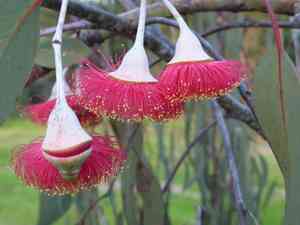
Recognized for its impressive silver-blue leaves and prominent, vibrant pink blossoms, gungurru is a visually captivating specimen that thrives with thoughtful trimming. The ideal period for pruning is winter, during its inactive stage, to boost flower production and sustain a controlled form. Essential methods involve excising dead or ailing branches and reducing dense growth to facilitate better air movement. Consistent pruning not only preserves gungurru's well-being but also stimulates a more abundant flowering in subsequent periods.
What Are the Benefits of Pruning Gungurru?
What Are the Benefits of Pruning Gungurru?
Trimming gungurru promotes robust development and maintains its appealing shape. Regular cutting aids in eliminating old or unhealthy wood, fostering healthier leaves and blossoms while keeping the plant manageable and aesthetically pleasing.
What Is the Best Time for Pruning Gungurru?
What Is the Best Time for Pruning Gungurru?
Pruning gungurru during the winter season is considered ideal as it coincides with the plant's dormant phase. During this period, gungurru's growth has slowed, which minimizes stress and allows the plant to recover more effectively from pruning cuts. Furthermore, winter pruning, before new spring growth emerges, helps to shape the plant and control its size more efficiently, preventing the removal of new growth that would contribute to flowering in the upcoming season. Winter pruning also provides better visibility of the plant's structure since gungurru typically has fewer leaves, enabling more precise and strategic cuts.
What Tools Do I Need to Prune Gungurru?
Bypass Pruners
Perfect for making neat and accurate cuts on gungurru's smaller branches, ensuring minimal harm to the plant's tissues.
Lopping Shears
Effective for severing thicker branches of gungurru, typically those up to two inches in diameter, offering increased leverage and reach.
Pruning Saw
Essential for cutting branches exceeding two inches in thickness. A pruning saw assists in managing gungurru's more mature and larger branches efficiently.
How to Prune Gungurru
Sanitize
Before trimming gungurru, disinfect all pruning implements. Use diluted bleach or alcohol to clean shears and saws. This prevents the spread of diseases, especially when cutting through infected branches.
Identify
Locate the dead and diseased branches on gungurru that require removal. Look for branches exhibiting discoloration, unusual growth patterns, or damage. Prioritize these branches for removal to encourage healthier growth.
Cut
Employ sharp, clean pruning shears or a pruning saw to make precise cuts. For dead branches, cut close to the trunk or main branch without harming the bark. For diseased branches, cut at least several inches below the affected sections to ensure complete removal of any infected parts.
Dispose
Promptly discard the removed dead and diseased branches appropriately. Do not compost them as this could spread diseases. Seal them in a bag and remove them from the area to prevent any potential reinfection or infestation.
Seal
Apply a pruning sealant to larger cuts, particularly where substantial branches were removed. This helps protect gungurru from pests and diseases entering the open wounds. Ensure you use a sealant suitable for eucalyptus species.
Common Pruning Mistakes with Gungurru
Over-pruning
Removing an excessive amount of foliage during pruning can severely stress gungurru, hindering its capacity to photosynthesize effectively.
Wrong technique
Using incorrect pruning cuts or unsanitized tools can introduce pathogens and stress gungurru, impeding its natural growth and recovery.
Ignoring branch structure
Cutting indiscriminately without considering the branch structure can lead to a weakened, unattractive plant form and may reduce flowering potential.
Common Pruning Tips for Gungurru
Selective thinning
Concentrate on removing only the internal and crossing branches to enhance air circulation and light penetration throughout gungurru, which promotes healthier growth.
Healthy growth prioritization
Always prioritize cutting back any dead, damaged, or diseased branches to maintain the health and vitality of gungurru.
Use sharp tools
Ensure pruning tools are sharp and clean to make precise cuts, which helps gungurru recover more quickly and reduces the risk of disease.



