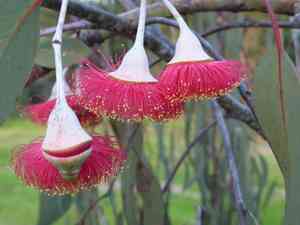
Gungurru (Eucalyptus caesia)
Also known as: Blue-gray eucalyptus, Caesia
The gungurru, native to Australia, is notable for its vibrant pink to red flowers that attract nectar-feeding birds. These flowers contrast elegantly with its silver-grey to mid-green foliage.
Precautions to take around gungurru include:
1. **Toxicity Awareness**: The plant can be toxic to both humans and animals.
2. **Allergy Consideration**: Some people may have allergic reactions to its pollen.
3. **Protective Gear**: Wear gloves when handling the plant to avoid skin irritation.
4. **Root Management**: Plant it away from structures due to potentially invasive roots.
In This Article
Attributes of Gungurru
Lifespan
Perennial
Plant Type
Tree
Plant Height
3-14 meters
Spread
2-10 meters
Leaf Color
Bluish-grey to silvery
Flower Size
2-4 centimeters
Flower Color
Pink, red
Images of Gungurru
Quickly Identify Gungurru
1
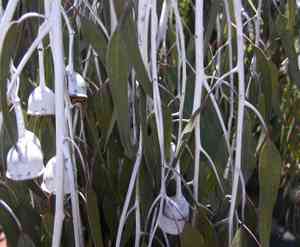
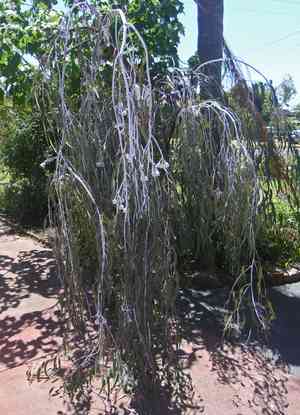
Eucalyptus caesia can be identified by its weeping branches, glaucous (bluish-grey) foliage covered with a white powdery bloom, and large pink or red flowers. The bark is reddish-brown and peels off in strips.
Scientific Classification of Gungurru
Phylum
Vascular plants
Class
Dicotyledons
Order
Myrtales
Family
Myrtle
Genus
Eucalypts
Species
Gungurru
Planting and Growing of Gungurru
Care Difficulty
Easy
Watering Schedule
Every 2 days
Sunlight Requirements
Full sun
Sunshine Duration
6-10 hours
Ideal Temperature
60-80℉
Soil Type
Potting Mix, Peat Mix
Soil pH
6.5-7.5
Fertilizer Type
Balanced
Pruning Season
Spring, Summer
Pruning Area
Branches, Leaves
Pruning Frequency
2 times a year
Repotting Season
Spring
Pot Type
Terracotta, Plastic
 How to Water Gungurru?
Eucalyptus caesia prefers a moderate watering approach, ensuring the soil remains moist but not waterlogged. It's ideal to water until the top 2-3 inches of soil feel damp, accounting for about 500ml of water each session.
What are the symptoms of an underwatered Gungurru?
›
What should I do if my Gungurru is not getting enough water?
›
What are the symptoms of an overwatered Gungurru?
›
How to save an overwatered Gungurru?
›
 What Are the Sunlight Requirements for Gungurru?
Eucalyptus caesia ideally needs full sun, achieving optimal growth and resilience. Consistent exposure to sunlight promotes healthy foliage and reduces vulnerability to pests and diseases.
How much light does Eucalyptus caesia need?
›
Why is sunlight critical for Eucalyptus caesia?
›
What measures ensure ideal sunlight exposure?
›
 What Is the Ideal Temperature Range for Gungurru?
Eucalyptus caesia thrives best in temperatures ranging from 60°F to 80°F. This range provides an ideal environment for growth, ensuring that the plant can maintain healthy foliage and strong development. The moderate temperatures support essential physiological processes, such as photosynthesis and respiration, maximizing the plant’s overall performance.
 What Soil is Best for Gungurru?
Eucalyptus caesia thrives in well-drained soil, which prevents waterlogging and root rot. Ensuring the soil is well-drained helps the roots to breathe and absorb nutrients efficiently, promoting healthy growth. Eucalyptus caesia benefits from soil rich in organic matter. Nutrient-rich soil provides essential minerals and elements that support vigorous growth and enhance the aromatic qualities of its leaves. Maintaining a soil pH between 6.5 and 7.5 is ideal for Eucalyptus caesia. The slight acidity helps in the optimal uptake of nutrients, ensuring robust health and maximizing the plant's resilience to diseases.
 How to Fertilize Gungurru?
For Eucalyptus caesia, it's essential to use a balanced approach when applying fertilizers. Liquid fertilizers should be diluted to half strength, ensuring the fertilizer does not burn the roots. Approximately 250ml of diluted liquid fertilizer per application will suffice. For solid slow-release fertilizers, a sprinkle of about 50 grams around the root zone is enough to provide necessary nutrients throughout the year.
 How to Prune Gungurru?
Begin by inspecting the plant thoroughly. Look for any dead, diseased, or damaged branches that may affect the tree’s health. Prune these sections first to stimulate new growth and improve overall vigor. Focus on shaping the crown by trimming branches that disrupt the desired form of the tree. Cut back any crossing branches and maintain an open structure for better air circulation and sunlight penetration. If growing as a tree, trim lower branches to create a clear trunk, enhancing its elegant appearance. This also prevents the plant from becoming top-heavy and encourages a neat, upright growth pattern.
More About Pruning Techniques→
 How to Propagate Gungurru plant?
1
Begin by selecting healthy and viable seeds for propagation. Seeds should be collected from mature Eucalyptus caesia plants and stored in a cool, dry place until ready for sowing. Soak the seeds in water for 24 hours to enhance germination rates.
2
Choose healthy stems for cuttings that are approximately 6 inches long. Cut below a node using clean and sharp pruning shears. Remove the lower leaves leaving a few at the top to enhance rooting and reduce water loss.
3
For seeds, plant them in a tray filled with seed-starting mix and cover lightly with soil. For cuttings, plant them in a pot with a sandy loam mix. Keep the soil consistently moist and provide indirect sunlight. Use a plastic cover to maintain humidity but ensure proper ventilation.
 How to Repot Gungurru plant?
1
Eucalyptus caesia should be repotted when you notice roots protruding from the drainage holes or if growth has significantly slowed. Early spring or summer is ideal since the plant can establish itself during the growing season. Additionally, if the soil has compacted or smells musty, it's time to refresh the potting environment.
2
Select a pot slightly larger than the current one, with one to two inches more in diameter. Make sure the pot has enough drainage holes to prevent water from stagnating, which could lead to root rot. Opt for a lightweight pot like plastic or resin if moving the plant is a concern, yet ensure it is sturdy enough to support the plant as it grows.
3
Choose a well-draining potting mix specifically designed for eucalyptus or Mediterranean plants. The mix should include a blend of peat, compost, perlite, or sand. This composition enables effective moisture retention while allowing excess water to drain, preventing overwatering and root rot. The soil should also support robust root development and oxygen availability.
Toxicity
N/A
WARNING
The judgment on toxicity and danger is for reference only. We DO NOT GUARANTEE any accuracy of such judgment. Therefore, you SHALL NOT rely on such judgment. It is IMPORTANT TO SEEK PROFESSIONAL ADVICE in advance when necessary.



