How to Propagate Gungurru?
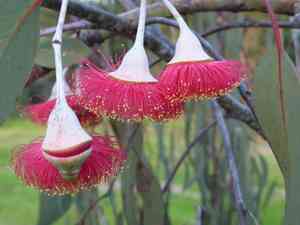
Gungurru is readily multiplied via cuttings. Select robust, sound semi-hardwood sections from an established specimen. Verify that each cutting possesses multiple nodes, enhancing the probability of successful root formation. Immerse the severed tip into a rooting compound to stimulate root development, then embed it in a free-draining, sandy propagation substrate. Sustain steady dampness without saturation, and offer diffused illumination until roots are firmly set, at which point it can be relocated to a lasting spot.
Optimal Period for Gungurru Propagation
Propagation Method
Cutting
Propagation Period
Autumn,Winter
Tools Required for Gungurru Propagation
Pruning Shears
Pruning shears are vital for taking cuttings from gungurru. Clean, sharp cuts prevent harm to the parent plant and ensure a healthy start for the cutting. Stainless steel blades are especially useful as they can be easily disinfected to stop disease spread.
Rooting Hormone
Rooting hormone encourages root development in gungurru cuttings, increasing the chance of successful propagation. It is particularly helpful for gungurru hardwood cuttings, which might otherwise root slowly or with difficulty.
Sterile Potting Mix
A sterile potting mix ensures that gungurru cuttings are not exposed to disease-causing pathogens while new roots form. A well-draining mix also prevents excess moisture, reducing the risk of root rot.
Propagation Tray
Propagation trays are used to organize and maintain the correct moisture and temperature for gungurru cuttings. Those with integrated humidity domes can be especially effective in maintaining the high humidity levels preferred by gungurru during root formation.
Heat Mat
A heat mat gently warms the soil, which can improve the rooting process for gungurru cuttings, especially in cooler environments. Consistent warmth is key for encouraging root growth and increases the overall propagation success rate.
How to Propagate Gungurru?
Propagation Type
Moderately Difficult
Caring for Your Newly Propagated Gungurru
Caring for Your Newly Propagated Gungurru
Once gungurru cuttings have rooted and are ready for transplant, gradually introduce them to outdoor conditions by exposing them to more sunlight and airflow. Plant them in well-draining soil in a sunny spot. Water young plants regularly until they establish a strong root system, then reduce watering to suit their drought-tolerant nature. Mulching helps retain soil moisture and suppress weeds. Monitor for pests and diseases and provide support as plants grow taller. Prune as needed to maintain shape and encourage bushier growth.
Common Errors to Avoid When Propagating Gungurru
Overwatering
Excessive watering of gungurru can lead to root rot, a condition harmful to most plants, especially gungurru, which prefers well-drained soil. Too much moisture in the soil can deprive roots of essential oxygen, leading to decay.
Using non-sterile cutting tools
Using unsterilized tools when propagating gungurru can introduce pathogens to fresh cuttings. This error may result in infections that could severely impede root development or even kill the cuttings before they properly establish.
Inadequate Light
Insufficient light can significantly hinder the rooting success of gungurru cuttings. Gungurru typically needs ample sunlight to stimulate root development. Cuttings kept in too much shade may show stunted growth or fail to root entirely.
Advice for Propagating Gungurru
Correct Soil Mix
Using a well-draining, sandy soil mix is essential for the successful propagation of gungurru. This type of soil ensures proper drainage and aeration, which are vital for the healthy root development of gungurru.
Proper Hydration Balance
Maintaining a delicate moisture balance is crucial. The soil should be kept slightly moist but never waterlogged. Consistently checking moisture levels before watering can prevent both over and under-watering, promoting healthier growth.
Use of Rooting Hormone
Applying a rooting hormone to the cut end of gungurru cuttings can significantly enhance root growth. The hormone stimulates rooting while also providing some protection against fungal infections.



