The Gungurru Plant Advantage: Maximizing Home and Office Appeal and Wellness
1
Gungurru improves your garden's beauty through its distinct blooms and leaves.
2
This plant tolerates dry conditions, perfect for arid environments.
3
Gungurru possesses inherent qualities that repel unwanted insects and draw in helpful ones.
What Are the Aesthetic Benefits of Gungurru?
Gungurru's Unique Flowers
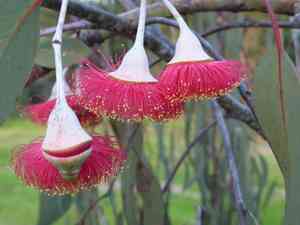
Gungurru showcases striking, vivid blossoms that can revitalize any garden area. Its flowers typically display a prominent pink or red shade with elaborate, tufted designs that draw attention. These blooms not only introduce color and texture but also establish a focal point in the scenery, contributing to a lively and visually pleasing garden layout.
Foliage and Structure
The leaves of Gungurru are as impressive as its blooms. The foliage ranges from bluish-green to silver-gray, providing a stark contrast to the bright flowers. This plant also exhibits a distinctive, drooping growth habit that adds an elegant architectural element to any garden. Its graceful branches can be trimmed and shaped to complement various garden aesthetics, from formal designs to more naturalistic arrangements.
How Does Gungurru Contribute to Eco-Friendly Gardening?
Drought Resistance
Gungurru is well-suited to arid conditions, making it an excellent option for xeriscaping and other water-saving gardening methods. Its deep root system enables it to access water more efficiently, reducing the need for frequent irrigation. This trait makes Gungurru a sustainable choice for gardeners aiming to conserve water and lessen their environmental footprint.
Pest Deterrence and Beneficial Insects
Gungurru possesses inherent qualities that can help deter common garden pests. Its aromatic leaves and floral nectar are known to repel certain insects while attracting advantageous ones like honeybees and butterflies. This dual advantage can decrease the reliance on chemical pest control and foster a healthier, more balanced garden ecosystem.
Can Gungurru Improve Soil Health?
Nutrient Cycling
Gungurru enhances soil health through the process of nutrient cycling. The leaves and other organic matter that fall from this plant decompose and enrich the soil with vital nutrients. This action improves soil fertility and structure, supporting the growth of robust plants and lessening the need for additional fertilizers.
Erosion Control
The strong root system of Gungurru aids in preventing soil erosion, especially on inclines or in areas prone to runoff. By stabilizing the soil, Gungurru reduces erosion risks, retains moisture, and promotes the absorption of rainwater. This advantage makes it an excellent choice for erosion prevention measures and sustainable land management practices.
How to Cultivate and Care for Gungurru?
Planting Tips
When establishing Gungurru, select a sunny spot with well-draining soil. Dig a hole that is twice the width of the root ball and of equal depth. Position the plant in the hole, backfill with soil, and water thoroughly. Ensure ample space for the plant to grow without crowding other vegetation.
Maintenance Practices
Gungurru requires minimal upkeep once established. Regular trimming helps maintain its form and encourages abundant flowering. Water the plant deeply but infrequently to promote deep root development, and apply mulch around the base to retain soil moisture and regulate temperature. Monitor for signs of pests or diseases and address them promptly to ensure the plant remains vigorous.
Why Should You Consider Gungurru for Your Garden?
Versatile Landscaping Use
Gungurru is highly adaptable in landscaping applications. It can serve as a central feature, a border plant, or even in container gardens. Its flexibility across various garden styles and conditions makes it a valuable asset to any gardening endeavor.
Environmental Benefits
From water conservation to pest management and soil vitality, Gungurru offers numerous ecological advantages. By incorporating this plant into your garden, you contribute to a more sustainable and eco-friendly landscape, supporting local biodiversity and fostering ecological equilibrium.



