How to Prune Snow buckwheat?
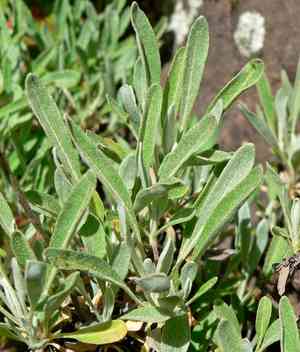
Snow buckwheat, recognized for its pristine white floral groupings and resilience to arid conditions, greatly profits from deliberate trimming. The perfect periods for pruning are in late spring or early summer, once flowering has subsided. This schedule fosters fresh development and sustains strong vitality. Cultivators ought to concentrate on eliminating faded blossoms and reducing dense sections to improve light exposure and air movement, which are vital for averting ailments and encouraging abundant flowering. Consistent trimming also preserves an appealing form and hinders excessive expansion.
Advantages of Trimming Snow Buckwheat
Advantages of Trimming Snow Buckwheat
Trimming snow buckwheat promotes robust development and helps maintain its compact, rounded form. Regular cutting improves air circulation, lowering disease risk and fostering strong health.
Optimal Time for Pruning Snow Buckwheat
Optimal Time for Pruning Snow Buckwheat
Pruning snow buckwheat in spring allows for the removal of any winter damage and shaping before new growth begins, facilitating healthier development and a better flowering season. Summer pruning, after the blooming cycle concludes, helps manage size, encourages branching, and prevents seed dispersal, promoting denser foliage and ensuring vitality for the next growing season.
Essential Tools for Pruning Snow Buckwheat
Bypass Pruners
Perfect for making precise cuts on the soft stems of snow buckwheat, bypass pruners create clean, close cuts without crushing plant tissue. This encourages healthier growth and rapid healing of pruned areas.
Handheld Pruning Shears
Suitable for trimming and shaping the dense growth of snow buckwheat. These shears allow for more detailed work on the plant, helping to maintain its desired shape and size.
Pruning Saw
Useful for removing thicker, woodier stems that bypass pruners or shears cannot handle. A pruning saw ensures that larger cuts are smooth and clean, minimizing damage to snow buckwheat.
How to Prune Snow Buckwheat
Identify targets
Examine snow buckwheat closely to locate all diseased and withered leaves, as well as any unhealthy stems requiring attention. Look for signs of discoloration, spots, or abnormal growth, which may indicate poor health.
Prepare tools
Ready the necessary pruning tools, ensuring they are clean and sharp. Use sterilized clippers or scissors to prevent the spread of disease between plants.
Prune leaves
Carefully trim all identified diseased and withered leaves. Make cuts close to the base of each leaf, being careful not to harm the healthy parts of snow buckwheat.
Prune stems
Prune diseased stems by making clean cuts at the stem's base, or back to a main branch or healthy bud. This encourages healthy growth and reduces the risk of further disease spread.
Cleanup
After pruning, clear away all removed leaves and stems from the surrounding area to prevent any potential disease spread. Dispose of them properly to maintain a healthy environment around snow buckwheat.
Common Pruning Errors with Snow Buckwheat
Overpruning
A frequent mistake when pruning snow buckwheat is removing too much foliage at once, which can stress the plant and lead to reduced vigor and flowering.
Improper cut locations
Cutting too close to the buds on snow buckwheat can harm the plant. Conversely, leaving too large a stub can lead to unnecessary die-back and entry points for disease.
Wrong tool usage
Using dull or incorrect tools can cause jagged cuts that heal poorly, making the plant vulnerable to potential infections.
Removal of healthy growth
Mistakenly pruning new, healthy growth can limit the plantâs ability to photosynthesize effectively, reducing overall health and bloom potential.
General Pruning Advice for Snow Buckwheat
Selective pruning
Focus on removing only dead or diseased branches, and any weak, overcrowded growth to improve air circulation and light penetration, which is vital for the health and flowering of snow buckwheat.
Tool maintenance
Always use sharp, clean pruning shears to make clean cuts that heal quickly, helping snow buckwheat remain robust and disease-free.
Pruning angle
Cut at a 45-degree angle just above an outward-facing bud to encourage outward growth, which helps maintain an aesthetically pleasing shape for snow buckwheat.
Follow natural shape
Prune snow buckwheat by preserving its natural form. Avoid over-shaping or excessive cutting back of branches, as snow buckwheat blossoms best on the current or last year's growth.



