How to Propagate Snow buckwheat?
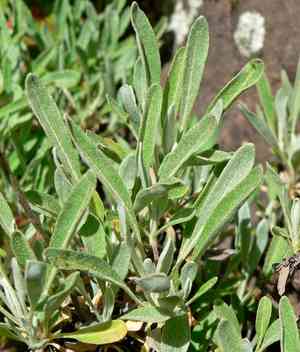
Snow buckwheat flourishes when reproduced through cuttings. To ensure successful root formation, employ a growing medium that drains effectively and sustain uniform dampness without oversaturation. Cuttings ought to be semi-woody, harvested from robust, uninfected specimens. A rooting stimulant can boost the likelihood of rooting, following which, transplant with care to prevent harm to the fragile rootlets.
Optimal Period for Snow Buckwheat Propagation
Propagation Method
Cutting
Propagation Period
Spring,Summer
Tools for Snow Buckwheat Propagation
Sharp Pruning Shears
Precise instrument for taking cuttings from snow buckwheat. Ensures clean cuts that prevent unnecessary harm to the parent plant and enhance the likelihood of successful rooting in cuttings. The sharpness of the shears is particularly beneficial for cleanly slicing through the semi-woody stems of snow buckwheat, aiding healing and reducing infection risk.
Rooting Hormone Powder
Chemical substance that encourages root development from snow buckwheat cuttings. When applied to the freshly cut stem base, it significantly boosts the probability of root formation, vital for successful snow buckwheat propagation. This is especially helpful as snow buckwheat can sometimes be difficult to root.
Sterilization Equipment (e.g., Alcohol or Bleach solution)
Used for sanitizing pruning shears and other tools before and after taking cuttings from snow buckwheat. Sterilization helps prevent disease transmission between plants, which is crucial for maintaining snow buckwheat health during the sensitive propagation phase.
Propagation Tray
Container that holds soil or a soilless medium where snow buckwheat cuttings are placed until they root. The tray should have good drainage to prevent waterlogging, which could lead to fungal infections or root rot. A clear plastic dome can be added to maintain humidity around the new snow buckwheat cuttings, improving root development.
Perlite or Vermiculite
Additives mixed with soil to enhance aeration and drainage in the growing medium. These properties are critical for the root health of snow buckwheat cuttings, preventing waterlogging and providing an ideal environment for root growth and establishment.
How to Propagate Snow Buckwheat?
Propagation Type
Easy
Caring for Your Newly Propagated Snow Buckwheat
Caring for Your Newly Propagated Snow Buckwheat
Once roots are established, typically after a few weeks, gradually introduce snow buckwheat to drier conditions by removing the plastic cover over several days. Move the plant to its permanent growing spot in well-drained soil and full sun. Ensure occasional watering during dry spells and apply a balanced, slow-release fertilizer annually to support healthy growth.
Common Errors to Avoid When Propagating Snow Buckwheat
Overwatering
Excessive watering can lead to root rot and fungal infections. Snow buckwheat prefers well-drained soil, and consistent overwatering hinders proper root development and weakens the plant.
Using Inappropriate Soil
Choosing a soil mix that retains too much moisture or lacks sufficient organic matter can impede snow buckwheat's root growth. Poor soil choice can also hinder necessary drainage and nutrient uptake.
Crowding Plants
Planting snow buckwheat too close together can restrict airflow and sunlight exposure, leading to increased susceptibility to diseases and poor growth. Proper spacing is crucial for healthy development.
Tips For Propagating Snow Buckwheat
Select the Right Substrate
Use a well-draining, sandy soil mix enriched with organic matter to support healthy root growth and ensure adequate drainage. This mimics snow buckwheat's natural growing conditions.
Moderate Watering After Propagation
After propagating snow buckwheat, water the plant moderately to encourage root growth, but allow the soil to partially dry out between waterings to prevent root diseases.
Provide Adequate Light
Ensure snow buckwheat receives ample sunlight, which is crucial for optimal growth and flowering. Position the propagated plants in a location where they can get plenty of direct sunlight.



