The Snow buckwheat Plant Advantage: Maximizing Home and Office Appeal and Wellness
1
Snow buckwheat thrives in dry conditions, making it perfect for water-wise landscaping.
2
It provides vital nectar for local pollinators, aiding their survival.
3
Its delicate white blooms enhance the beauty of any garden.
Why is Snow buckwheat Perfect for Water-Wise Landscaping?
Outstanding Drought Resistance
Snow buckwheat thrives in dry climates, making it a superb option for xeriscaping. Its extensive root system enables it to draw moisture from deeper soil, lessening the need for frequent irrigation. This saves water and reduces gardener upkeep.
Soil Stability and Erosion Prevention
The plant's strong root system helps secure the ground, preventing erosion in arid, sandy locations. This can be particularly advantageous in areas susceptible to soil degradation and loss.
How Does Snow buckwheat Benefit Pollinators?
Supplying Crucial Nectar
The small white flower clusters of Snow buckwheat offer a vital nectar source for bees, butterflies, and other pollinators. By adding this plant to your garden, you aid local pollinator populations, which are essential for the ecosystem.
Fostering Ecological Variety
Snow buckwheat draws diverse pollinators, thereby boosting your garden's biodiversity. A varied pollinator community ensures better plant reproduction, improving your garden's health and resilience.
What Visual and Practical Advantages Does Snow buckwheat Provide?
Improving Landscape Aesthetics
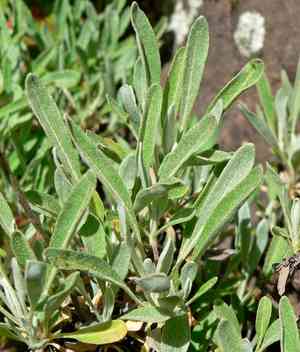
Snow buckwheat is not only practical but also enhances the visual appeal of landscapes. Its delicate white blooms and grey-green leaves create a soft, subtle beauty that can complement other plants and garden elements.
Minimal Upkeep Requirements
Once established, Snow buckwheat demands little care. It needs minimal watering and resists many common pests and diseases, making it an effortless addition to your garden.
What Are Snow buckwheat's Environmental Contributions?
Rehabilitating Indigenous Environments
Including Snow buckwheat in restoration efforts can help revitalize native habitats. Its natural adaptation to local conditions means it can flourish without significant human intervention, fostering healthier ecosystems.
Supporting Local Wildlife
Snow buckwheat offers refuge and sustenance for various wildlife, including birds and small mammals. By planting Snow buckwheat, you create a more nurturing environment for local fauna.



