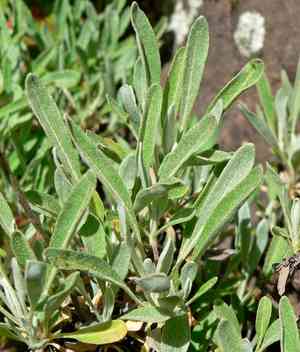
Snow buckwheat (Eriogonum niveum)
Also known as: Snow Buckwheat
This plant typically forms a dense, hairy mat that can grow between 40 to 60 cm in height and width, though it occasionally reaches up to one meter in both dimensions. Its leaves are predominantly tufted at the woody base, measuring up to 6 cm long with a woolly surface. The plant's inflorescence consists of branching stems adorned with clusters of small flowers, which can be white, pink, or reddish.
In This Article
Attributes of Snow buckwheat
Lifespan
Perennial
Plant Type
Herb, Shrub
Plant Height
15 cm to 46 cm
Spread
1 to 2 feet (30 to 60 cm)
Leaf Color
Gray-green
Flower Size
0.25 to 0.5 inches (6 to 12 mm)
Flower Color
White to pink
Images of Snow buckwheat
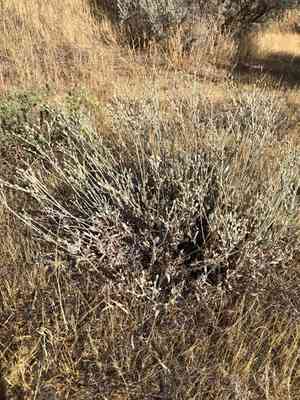
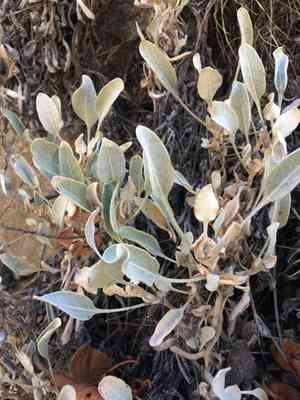

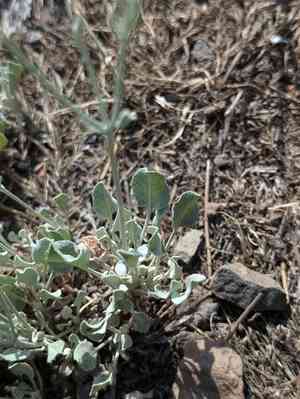
Quickly Identify Snow buckwheat
1
The plant can be identified by its woolly, gray-green leaves and clusters of small, white to pink flowers. It typically grows in dry, open areas and displays a rounded, bushy shape.
Scientific Classification of Snow buckwheat
Phylum
Vascular plants
Class
Dicotyledons
Order
Caryophyllales
Family
Buckwheat
Genus
Wild Buckwheat
Species
Snow buckwheat
Planting and Growing of Snow buckwheat
Care Difficulty
Easy
Watering Schedule
Every 3 days
Sunlight Requirements
Full sun
Sunshine Duration
4-8 hours
Ideal Temperature
60-75℉
Soil Type
Potting Mix, Peat Mix
Soil pH
6.5-7.5
Fertilizer Type
Balanced
Pruning Season
Spring, Summer
Pruning Area
Branches, Leaves
Pruning Frequency
2 times a year
Repotting Season
Spring
Pot Type
Plastic, Ceramic
 How to Water Snow buckwheat?
Eriogonum niveum prefers a moderate watering approach. It's vital to water the plant until the top 2 inches of soil are moist but not soaked. Water carefully, ensuring it doesn’t sit in waterlogged soil, as this could damage the roots.
What are the symptoms of an underwatered Snow buckwheat?
›
What should I do if my Snow buckwheat is not getting enough water?
›
What are the symptoms of an overwatered Snow buckwheat?
›
How to save an overwatered Snow buckwheat?
›
 What Are the Sunlight Requirements for Snow buckwheat?
A mix of full and partial sun exposure is ideal for Eriogonum niveum, enhancing their resilience and bloom quality. Optimal light ensures steady growth and promotes healthy, vibrant flower displays.
What is the best location for Eriogonum niveum?
›
How can I ensure the plant gets the right amount of sunlight?
›
What are the benefits of providing ideal lighting?
›
 What Is the Ideal Temperature Range for Snow buckwheat?
The ideal temperature range for Eriogonum niveum is between 60°F and 75°F. This range provides a comfortable environment for growth, ensuring adequate nutrient uptake and healthy development. Consistent temperatures in this range help the plant maintain robust foliage and promote flowering.
 What Soil is Best for Snow buckwheat?
Eriogonum niveum flourishes in well-drained soil as it prevents water from accumulating around the roots, thereby reducing the risk of root rot. This characteristic mimics the plant's native environment, contributing to its vigorous growth. While Eriogonum niveum can tolerate poor soil, moderately fertile soil provides the necessary nutrients for optimal growth and blooming. Such soil supports healthy leaf development and abundant flowering. Eriogonum niveum prefers soil with low organic content. This reduces the competition for water and nutrients, aligning with its natural adaptation to arid environments where organic material is sparse.
 How to Fertilize Snow buckwheat?
For Eriogonum niveum, moderation is key when it comes to fertilization. Too much fertilizer can lead to rapid, unnatural growth that weakens the plant. Typically, a balanced, all-purpose fertilizer diluted to half strength is recommended, applied at 1/4 cup (about 60ml) per plant for each liquid feeding session.
 How to Prune Snow buckwheat?
Eriogonum niveum does not respond well to excessive cutting back. Severe pruning can shock the plant and hinder its ability to thrive and flourish for the season. Consider the plant's future growth. Avoid cutting too close to the base or below the natural crown, as this can impede regrowth. Aim to remove only about 1/3 of the plant's material at a time.
More About Pruning Techniques→
 How to Propagate Snow buckwheat plant?
1
Fill the seed tray with a well-draining potting mix, making sure it is moist but not waterlogged. The surface should be smooth and level to allow for even seed distribution.
2
Scatter the Eriogonum niveum seeds evenly over the prepared potting mix. Cover them lightly with a thin layer of the mix or fine sand to keep them in place while allowing light penetration for germination.
3
Water the tray gently with a fine mist or a watering can to avoid displacing the seeds. Place the tray in a warm, sunny location and keep the soil consistently moist until germination occurs.
 How to Repot Snow buckwheat plant?
1
You should consider repotting your Eriogonum niveum when you notice roots protruding from drainage holes or when growth significantly slows down. Another indicator is if the plant seems constantly thirsty despite regular watering, suggesting that it's outgrown its current pot.
2
Select a container that's just slightly larger than the current pot. It should have sufficient drainage holes to prevent waterlogging. A clay pot can be ideal, as it can help absorb excess moisture and prevent root rot, maintaining a healthy environment for your plant.
3
Opt for a sandy, well-draining soil mix. This prevents the common issue of root rot in Eriogonum niveum, as the plant prefers drier conditions similar to its native habitat. The right soil will keep your plant thriving with less risk of overwatering.



