How to Prune Blue-sage?
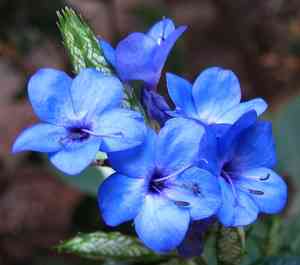
Perfect for tropical environments, this brightly blooming shrub flourishes with consistent care. Trim blue-sage from late spring to early summer, following its blooming period, to foster a fuller shape and eliminate faded blossoms. Shorten elongated stalks and thin congested sections to boost air circulation and light access. This method encourages robust development and amplifies flower production. Verify that instruments are keen to avoid harm. Trimming outside of the appropriate season could diminish the floral show.
Advantages of Trimming Blue-sage
Advantages of Trimming Blue-sage
Trimming blue-sage promotes abundant flowering by reallocating energy towards bloom development. It also deters pest and disease infestations, fostering a robust, resilient specimen.
Optimal Period for Trimming Blue-sage
Optimal Period for Trimming Blue-sage?
Trimming blue-sage in late spring and early summer is ideal, as its blooming cycle concludes in early spring. This timing allows for shaping the plant and stimulating new growth without affecting the next season's flowers. Additionally, pruning after the last frost helps prevent damage to new growth from colder temperatures. During this phase, the plant enters a strong growth period, ensuring quick recovery from pruning and reduced disease risk due to drier late spring and early summer conditions. Adhering to these guidelines maintains the plant's health and aesthetic form, guaranteeing a vibrant display of foliage and blooms in the subsequent cycle.
Necessary Tools for Trimming Blue-sage
Hand Pruners
Perfect for making clean cuts on stems and small branches, minimizing harm to blue-sage's delicate growth.
Pruning Shears
Useful for shaping blue-sage and removing overgrown sections. Bypass or scissor-type shears are particularly suited for precise cuts.
Gardening Gloves
Shields hands from thorns and sap while trimming blue-sage, ensuring safety and comfort during the task.
How to Trim Blue-sage
Sanitization
Before beginning, clean and sanitize all trimming tools to prevent disease transmission to blue-sage.
Removal of unhealthy material
Start by eliminating any diseased leaves and branches from blue-sage, along with faded flowers, to prevent infection and encourage healthy development. Snip these at their base where they meet healthy tissue.
Dead material removal
Carefully cut off dead branches from blue-sage. Make cuts at a 45-degree angle approximately 1/4 inch above an outward-facing bud to promote proper new growth.
Thinning of dense foliage
Thin out excessive growth in crowded areas of blue-sage to enhance light penetration and air circulation. This will decrease the likelihood of pests and diseases.
Shape maintenance
Conclude by giving blue-sage a desired form and structure by selectively trimming any unruly or excessively long branches. This will also encourage a bushier habit and more flowers.
Common Trimming Errors with Blue-sage
Excessive trimming
Cutting back blue-sage too severely can diminish its blooming capacity. This species benefits from moderate trimming to maintain its form and foster healthy growth.
Uneven cuts
Making jagged or torn cuts can harm blue-sage's stems, leading to disease or poor regrowth. Clean, angled cuts are vital for the plant's well-being.
Neglecting to sterilize tools
Using unsterilized tools can spread disease to blue-sage. It's crucial to use clean, sharp pruning shears to minimize this risk.
Ignoring deadheading
Failing to remove spent flowers from blue-sage can impede new blooms and impact the plant's overall vigor and appearance.
Trimming without a plan
Randomly cutting branches without understanding blue-sage's growth pattern can result in an unattractive shape and reduced flowering.
General Trimming Advice for Blue-sage
Selective trimming
Target blue-sage's oldest stems for removal to stimulate new growth and improve airflow, leading to more robust plants and better blooms.
Promoting new blooms
Deadheading blue-sage encourages further flowering by diverting energy from seed production to new flower development.
Maintaining plant shape
Trim blue-sage to maintain its desired shape and size, which can also boost flower production by allowing more light to reach the plant's interior.
Encouraging bushiness
Pinch back the tips of blue-sage during the growing season to promote a bushier growth habit, enhancing its ornamental appeal.
Restorative trimming
For an overgrown blue-sage, consider a more aggressive trimming to rejuvenate the plant. This should be done gradually over several seasons to avoid shock.



