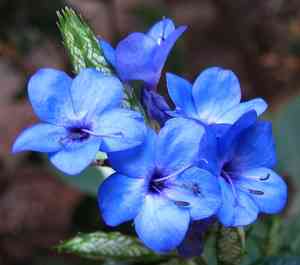
Blue-sage (Eranthemum pulchellum)
Also known as: Blue Eranthemum, Blue Sage, Blue Plumbago
Blue sage (Salvia azurea) is indigenous to the central and southeastern regions of the United States. This hardy plant flourishes best in areas with ample sunlight and soil that drains well. For optimal growth, it requires good air flow and only occasional watering since it is relatively drought-resistant once it has been established. The soil should ideally have a neutral to slightly alkaline pH.
In This Article
Attributes of Blue-sage
Lifespan
Perennial
Plant Type
Shrub
Plant Height
61 cm to 1.5 m
Spread
1.2 m
Leaf Color
Green
Flower Size
2.5 cm to 5 cm
Flower Color
Blue Purple
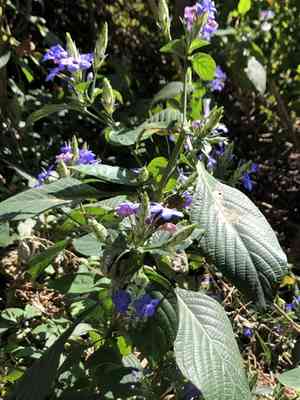
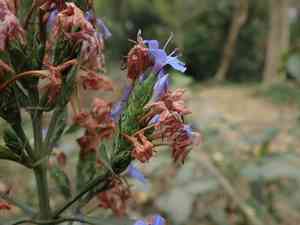
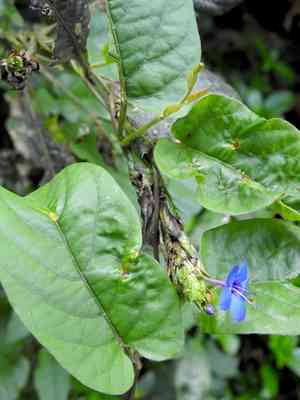
Images of Blue-sage
Quickly Identify Blue-sage
1
Eranthemum pulchellum can be identified by its bright blue flowers, which have fused petals forming a tubular shape. The plant has glossy, dark green leaves and can grow up to 1.5 meters in height.
Scientific Classification of Blue-sage
Phylum
Vascular plants
Class
Dicotyledons
Order
Mints plantains olives and allies
Family
Acanthus
Genus
Eranthemum
Species
Blue-sage
Planting and Growing of Blue-sage
Care Difficulty
Easy
Watering Schedule
Every 3 days
Sunlight Requirements
Partial sun
Sunshine Duration
4-8 hours
Ideal Temperature
60-75℉
Soil Type
Potting Mix, Peat Mix
Soil pH
6.5-7.5
Fertilizer Type
Balanced
Pruning Season
Spring, Summer
Pruning Area
Branches, Leaves
Pruning Frequency
2 times a year
Repotting Season
Spring
Pot Type
Ceramic, Plastic
 How to Water Blue-sage?
For Eranthemum pulchellum, the watering principle revolves around ensuring the soil remains moderately moist. You should aim for about 500 milliliters of water each time, enough to saturate the soil until the excess begins to drain from the bottom. This ensures the roots are adequately hydrated without drowning the plant.
What are the symptoms of an underwatered Blue-sage?
›
What should I do if my Blue-sage is not getting enough water?
›
What are the symptoms of an overwatered Blue-sage?
›
How to save an overwatered Blue-sage?
›
 What Are the Sunlight Requirements for Blue-sage?
Partial sunlight, offering a balance of morning or afternoon sun, supports the plant's photosynthesis and health without the stress of harsh light conditions.
More About Sunlight Requirements Techniques→
What kind of light does Eranthemum pulchellum prefer?
›
How can I ensure optimal lighting for my Eranthemum pulchellum?
›
Why is ideal light important for Eranthemum pulchellum?
›
 What Is the Ideal Temperature Range for Blue-sage?
For optimal growth, Eranthemum pulchellum thrives in temperatures between 60°F and 75°F. This range ensures that the plant maintains proper metabolic function, promoting healthy foliage and vibrant flowering. Staying within these temperatures minimizes stress on the plant, thus fostering robust growth and development.
 What Soil is Best for Blue-sage?
Eranthemum pulchellum thrives in well-draining soil that prevents water from pooling around its roots. Good drainage helps to keep the roots aerated, reducing the risk of root rot and promoting healthy growth. This plant benefits from a nutrient-rich substrate that provides essential minerals and nutrients crucial for its vibrant foliage and flowering. Ensuring the soil is rich in organic matter can enhance the plant's overall vigor. While well-draining, the soil must retain some moisture to support the plant's needs. This balance ensures that the plant remains hydrated, reducing stress during dry periods and promoting lush, healthy foliage.
 How to Fertilize Blue-sage?
For Eranthemum pulchellum, it's important to fertilize with a balanced fertilizer at half the recommended strength. Overfertilizing can lead to salt buildup, which may harm the plant's roots. Typically, a liquid fertilizer solution of 1 teaspoon per gallon of water is adequate for each application.
 How to Prune Blue-sage?
Begin by identifying weak or leggy stems and cutting them back to the desired height using sharp, clean shears. Aim to prune just above a leaf node to encourage new growth. Remove any dead or diseased branches to improve overall plant health. As you prune, step back occasionally to assess the plant’s shape, ensuring a rounded, full appearance. Regular pruning not only maintains the plant's size but also encourages a profusion of striking blue flowers.
More About Pruning Techniques→
 How to Propagate Blue-sage plant?
1
Choose healthy, non-flowering stems about 10-15 cm long. Ensure they are free from pests and diseases for optimal growth potential.
2
Remove the lower leaves to expose the nodes as these are where roots will form. Dip the cut end in a rooting hormone to enhance root development.
3
Insert the cutting into moist soil or a starting medium, and ensure it is firm. Maintain high humidity around the cuttings to prevent wilting.
 How to Repot Blue-sage plant?
1
Recognizing the right time to repot Eranthemum pulchellum is crucial for its healthy growth. Look for signs such as roots growing out of the drainage holes, or when the plant appears to have outgrown its pot and is struggling to hold on to moisture. These are indicators that it’s time to give your Blue Sage a bigger home.
2
Select a pot that is approximately 2 inches larger in diameter than the current one. A pot that's too large may lead to waterlogging, whereas a too-small pot will restrict root growth. The pot should have adequate drainage holes to prevent excess water from accumulating, which could harm the plant.
3
Opt for a potting mix that is rich in nutrients and facilitates good drainage, such as a combination of peat, perlite, and compost. This kind of mix ensures that the plant receives sufficient nutrients and allows excess water to drain away, preventing root rot and promoting vigorous growth.
Learn More About Blue-sage Diseases
Anthracnose
Bacterial Leaf Spot
Bacterial Soft Rot
Bacterial Wilt
Black Spot
Chemical Injury
Crown Gall
Damping-off
Downy Mildew
Drought Stress
Fusarium Wilt
Gray Mold
Leaf Curl
Leaf Spot
Mosaic
Nutrient Deficiency
Nutrient Toxicity
Powdery Mildew
Root Rot
Root-knot Nematode
Rusts
Sooty Mold
Spider Mites
Temperature Stress
Thrips Damage
White Mold



