The Blue-sage Plant Advantage: Maximizing Home and Office Appeal and Wellness
1
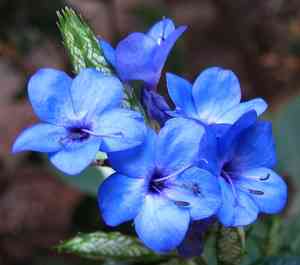
Blue-sage is recognized for its striking blue blossoms and ornamental value.
2
This species flourishes in tropical and subtropical environments, ideal for warmer areas.
3
Blue-sage has the ability to draw helpful pollinators such as bees and butterflies into your outdoor space.
What Makes Blue-sage Distinctive?
Appealing Appearance
A prominent characteristic of Blue-sage is its stunning blue blooms. These flowers can introduce a lively shade to any garden, performing well in mixed borders or as individual decorative plants. Their hue can complement various other plants, making them a flexible option for gardeners aiming to improve their visual displays.
Minimal Upkeep Needs
Another excellent feature of Blue-sage is its relatively low maintenance requirements. This plant is robust and can flourish with little attention, making it an ideal choice for both new and busy gardeners. It needs moderate watering and performs well in partial shade to full sun, depending on your local climate. This ease of care ensures that even those with limited time can enjoy the beauty and advantages of Blue-sage.
Ecological Advantages of Blue-sage
Supports Pollinators
A significant ecological contribution of Blue-sage is its capacity to draw in and sustain pollinators, such as bees and butterflies. These insects play a vital role in the pollination of numerous other plants, helping to maintain biodiversity and productivity in both wild and cultivated ecosystems. By cultivating Blue-sage, gardeners can foster a more pollinator-friendly environment, supporting the health and sustainability of their local flora.
Improves Soil Quality
Beyond supporting pollinators, Blue-sage can also enhance soil quality. Its root systems help stabilize the soil, reducing erosion and promoting a healthy soil structure. Over time, fallen leaves and plant matter from Blue-sage decompose, adding organic material to the soil and boosting its fertility. This natural process can lessen the need for chemical fertilizers, encouraging a more sustainable and eco-friendly gardening approach.
Cultivating and Caring for Blue-sage
Optimal Growing Conditions
To ensure Blue-sage thrives, it's crucial to provide the correct growing environment. This plant prefers tropical and subtropical climates but can also adapt to temperate zones with proper care. It flourishes in well-draining soil with a balanced pH. While Blue-sage can endure partial shade, it will produce the most vibrant flowers when exposed to full sunlight for at least six hours daily.
Watering and Feeding
Moderate watering is essential for Blue-sage. The soil should remain consistently moist but not waterlogged. During warmer months, you might need to water more frequently to prevent the soil from completely drying out. Fertilization can be done sparingly, using a balanced, slow-release fertilizer during the growing season. Avoid excessive fertilization, as this can lead to abundant foliage growth at the expense of flower production.
Common Problems and Solutions
Pests and Diseases
Blue-sage is fairly resistant to pests and diseases, but it can occasionally be affected by common garden pests like aphids and spider mites. Regular inspection and prompt action are crucial for preventing infestations. Natural remedies, such as neem oil or insecticidal soap, can effectively manage these pests without harming beneficial insects.
Cold Sensitivity
One of the few difficulties in growing Blue-sage is its susceptibility to cold temperatures. While it can withstand brief periods of cooler weather, prolonged exposure to frost can damage or even kill the plant. In regions with cold winters, consider growing Blue-sage in containers that can be moved indoors or providing protective coverings during frosty periods to safeguard the plant.



