How to Prune Common spikerush?
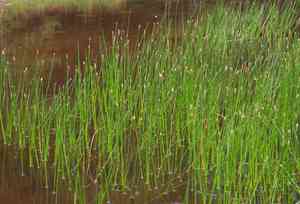
A marshland species, recognized by its grassy clusters, common spikerush flourishes with infrequent trimming. Eliminate withered or discolored leaves in early spring or winter to stimulate development and deter decomposition. Trimming can foster more compact growth. Perform pruning prior to the appearance of new sprouts for peak plant well-being. Pruning improves air movement, diminishes pests, and preserves an appealing shape. Sanitize implements to avert the dissemination of illnesses.
What Are the Benefits of Pruning Common Spikerush?
What Are the Benefits of Pruning Common Spikerush?
Trimming common spikerush promotes robust development and helps preserve its inherent form. By eliminating old or lifeless stalks, more nutrients are channeled to new growth, fostering a strong and thriving plant.
What Is the Best Time for Pruning Common Spikerush?
What Is the Best Time for Pruning Common Spikerush?
Trimming common spikerush in early spring is advisable as this timing coincides with the start of common spikerush's active growth phase. Pruning before new shoots appear helps the plant reallocate energy towards producing healthy new growth instead of supporting old or dead tissue. Winter, when common spikerush is dormant, also presents an ideal time for pruning. This season is perfect because the plant's growth is temporarily halted, reducing stress on common spikerush and minimizing the risk of disease transmission through fresh cuts. Pruning during dormancy can lead to vigorous growth once the growing season resumes. Avoid pruning in late spring or summer as this may disrupt flowering or growth cycles, potentially weakening common spikerush.
What Tools Do I Need to Prune Common Spikerush?
Sharp Scissors or Snips
For maintaining common spikerush, sharp scissors or snips are crucial due to their precise and clean cutting ability, which is necessary for severing soft stems without causing undue harm to the plant.
Long-Handled Shears
Common spikerush can form dense clumps; long-handled shears can be useful for reaching and trimming these areas without excessively disturbing the plant or its surrounding soil.
Hand Gloves
When handling common spikerush, wearing hand gloves is recommended to shield your hands from any sharp edges, especially when dealing with larger or thick clusters.
How to Prune Common Spikerush
Clean tools
Before pruning common spikerush, sanitize pruning implements using a solution of one part bleach to nine parts water to prevent the spread of disease.
Inspect plant
Examine common spikerush for diseased or dead foliage. Withered or discolored leaves indicate that those sections should be removed.
Remove diseased leaves
Carefully cut off diseased leaves of common spikerush with sharp scissors or pruning shears, making the cut at the base of the stem where it meets healthy growth.
Snip withered leaves
Trim away any withered leaves at the base of the stems, ensuring clean cuts to prevent damage to the remaining healthy tissue of common spikerush.
Dispose of debris
Discard all removed plant material far from common spikerush to lessen the chance of disease spreading. Do not compost infected debris.
Common Pruning Mistakes with Common Spikerush
Overpruning
Removing too much foliage from common spikerush can stress the plant, potentially leading to reduced vigor or even death. It's crucial to prune only the necessary amounts to maintain plant health and desired shape.
Improper tool use
Using dull or dirty pruning tools can damage common spikerush's delicate stems, leading to ragged cuts and increased susceptibility to disease. Always use sharp, clean tools for precise cuts.
Random cuts
Cutting common spikerush stems at arbitrary locations can impede its natural growth pattern. Prune by following the natural line of the plant to encourage a more aesthetically pleasing and healthy structure.
Ignoring dead material
Failure to regularly remove dead or yellowing stems of common spikerush can not only detract from its appearance but also can invite pests and diseases. Removing dead material ensures that resources are directed to healthy growth.
Pruning for size only
Pruning common spikerush solely to control its size without considering the plant's health and natural form can result in a weak, unsightly plant over time. Pruning should also focus on plant health and not just size reduction.
Common Pruning Tips for Common Spikerush
Health examination
Before pruning common spikerush, conduct a thorough health check to identify any sections that require cutting. Focus on removing dead, diseased, or damaged stems to promote healthy growth.
Conservative cuts
When pruning common spikerush, make conservative cuts to avoid shocking the plant. It's better to prune less at first and adjust later, as over-pruning cannot be reversed.
Prune for shape
Encourage a desirable, natural shape for common spikerush by selectively pruning. This means accentuating the plant's inherent form rather than imposing an unnatural shape upon it.
Stimulate flower production
To enhance the flowering of common spikerush, prune to stimulate new, healthy stem growth. This is where flowers typically emerge on healthy and well-maintained plants.
Regular maintenance
Routine maintenance pruning, rather than severe, infrequent pruning sessions, will keep common spikerush looking its best and reduce the chance of encountering extensive problems that require drastic measures.



