The Common spikerush Plant Advantage: Maximizing Home and Office Appeal and Wellness
1
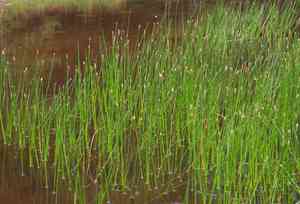
Eleocharis palustris flourishes in marshy environments, enhancing ecological balance.
2
Its robust root networks make this plant highly effective at preventing soil erosion.
3
Eleocharis palustris sustains a variety of fauna, supplying nourishment and refuge for numerous creatures.
What Are the Key Advantages of Common spikerush?
Soil Stabilization
Common spikerush excels at preventing soil erosion. Its dense, widespread root systems secure the ground, stopping it from being washed away by water. This feature is especially useful for preserving the integrity of riverbanks, lake edges, and other freshwater bodies.
Water Purification
Another significant benefit of Common spikerush is its capacity to function as a natural water purifier. As water flows through its thick root network, various contaminants like sediments and heavy metals are captured, thereby enhancing water quality. This supports aquatic life and provides cleaner water for human use.
How Does Common spikerush Support Wildlife?
Habitat and Food Source
Common spikerush provides essential living space for numerous wildlife species. Small mammals, birds, and aquatic creatures frequently seek shelter within its dense groupings. Moreover, the seeds and shoots of Common spikerush offer a nutritious food source for these animals, helping to sustain local ecosystems.
Reproduction Sites
Common spikerush also offers excellent breeding locations for various fish and amphibian species. The plant's thick foliage and submerged root systems create an ideal environment for egg-laying and raising offspring, ensuring the continuation of these species.
Where Can Common spikerush Be Found?
Natural Environments
Common spikerush primarily thrives in wetland areas, including swamps, ponds, and river edges. Its preference for waterlogged soils makes it a common sight in hydric environments. These wetlands are vital for the plant's growth and serve as biodiversity hotspots for various plants and animals.
Adaptability
Despite its specialization for wet conditions, Common spikerush exhibits remarkable adaptability. It can survive in a range of soil types, from nutrient-rich to more acidic conditions. This resilience allows it to flourish in diverse ecosystems.
Why Is Common spikerush Important for Ecosystem Management?
Biodiversity
The presence of Common spikerush significantly contributes to local biodiversity. By providing habitat and sustenance, it supports a variety of species, thereby maintaining ecological balance. Diverse ecosystems are more resilient to changes and disturbances, making them crucial for environmental sustainability.
Pollution Reduction
Common spikerush plays a vital role in mitigating pollution. Its robust root system can absorb and break down organic pollutants, such as nitrates and phosphates, which often cause algal blooms in water bodies. This reduces overall pollution and helps maintain cleaner water bodies.
How Does Common spikerush Benefit Human Activities?
Agriculture
Farmers often gain from the presence of Common spikerush in their fields. The plant's ability to control soil erosion prevents the loss of fertile topsoil, thus boosting agricultural productivity. Additionally, its role in water filtration ensures that irrigation channels remain clear and functional.
Conservation Initiatives
Common spikerush is increasingly utilized in conservation and restoration projects aimed at revitalizing degraded wetlands. Its rapid growth and resilience make it an ideal candidate for such efforts, helping to restore natural habitats and improve ecosystem functioning.



