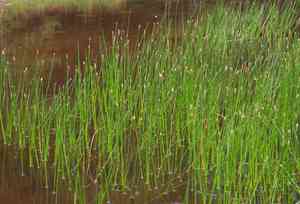
Common spikerush (Eleocharis palustris)
Also known as: Common spikesedge
The plant *Eleocharis palustris*, commonly known as common spikerush, thrives in wetland areas across North America, Europe, North Africa, and central or northern Asia. This species is highly adaptable, exhibiting various subspecies. The name *Eleocharis palustris* reflects its marshland environment.
In This Article
Attributes of Common spikerush
Lifespan
Perennial
Plant Type
Grass
Plant Height
61 cm to 1.2 m
Spread
3 m
Leaf Color
Green
Flower Size
1 mm to 1.5 mm
Flower Color
Green Brown Yellow
Images of Common spikerush
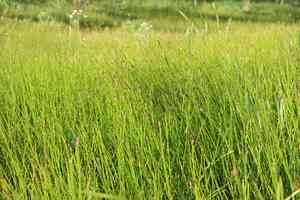
Quickly Identify Common spikerush
1
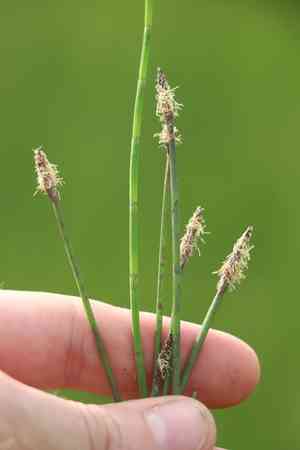
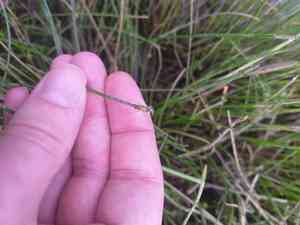
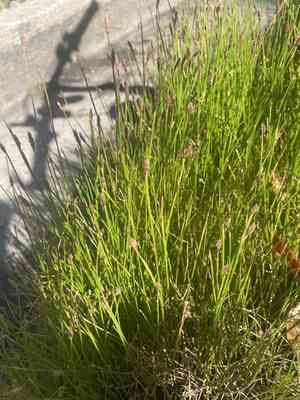
Look for slender, erect stems that grow in dense clusters, tapering to a point. The plant typically has no leaves, but its stems are sheathed at the base. Flowers are borne at the tip of the stems in small, brownish spikelets.
Scientific Classification of Common spikerush
Phylum
Vascular plants
Class
Monocotyledons
Order
Poales
Family
Sedge
Genus
Eleocharis
Species
Common spikerush
Planting and Growing of Common spikerush
Care Difficulty
Easy
Watering Schedule
Every 8 days
Sunlight Requirements
Full sun
Sunshine Duration
4-6 hours
Ideal Temperature
59-77℉
Soil Type
Potting Mix
Soil pH
6.5-7.5
Fertilizer Type
Balanced
Pruning Season
Spring, Summer
Pruning Area
Branches, Leaves
Pruning Frequency
2 times a year
Repotting Season
Spring
Pot Type
Plastic, Ceramic
 How to Water Common spikerush?
Eleocharis palustris thrives in moist conditions, so the watering amount should be sufficient to keep the soil consistently damp, but not waterlogged. Each watering session should involve approximately 200 ml of water, ensuring the top layer of soil is moist without causing standing water. Adjust the amount based on ambient humidity and temperature.
What are the symptoms of an underwatered Common spikerush?
›
What should I do if my Common spikerush is not getting enough water?
›
What are the symptoms of an overwatered Common spikerush?
›
How to save an overwatered Common spikerush?
›
 What Are the Sunlight Requirements for Common spikerush?
Eleocharis palustris prefers a mix of full to partial sunlight. Adequate light exposure promotes optimal growth, vibrant coloring, and efficient photosynthetic processes essential for plant vigor.
More About Sunlight Requirements Techniques→
What type of sunlight is ideal for Eleocharis palustris?
›
How can we ensure optimal lighting for Eleocharis palustris?
›
What benefits does Eleocharis palustris experience with ideal lighting?
›
 What Is the Ideal Temperature Range for Common spikerush?
Eleocharis palustris thrives best in temperatures ranging from 59°F to 77°F. This range ensures optimal growth and vigor for the plant, providing a stable environment that mimics its native wetland habitats. Maintaining these temperatures encourages healthy foliage and robust root systems.
 What Soil is Best for Common spikerush?
Eleocharis palustris thrives in soil types that have excellent moisture retention properties. This is vital for the plant's robust growth since it ensures a constant supply of water. Proper moisture levels prevent the roots from drying out and support the plant's delicate eco-balance. Access to essential nutrients is critical for Eleocharis palustris. Soils like loam, which naturally contain rich organic material, are ideal for providing the necessary nutrients to this plant. Efficient nutrient availability encourages healthy foliage and a vibrant growth cycle. Aeration is crucial as it allows essential gases to reach the roots of Eleocharis palustris. Well-aerated soils like sandy loam ensure that roots have enough oxygen, preventing root diseases and promoting vigorous root development, which ultimately supports the plant's overall health.
 How to Fertilize Common spikerush?
For Eleocharis palustris, it is ideal to apply a balanced liquid fertilizer diluted to half its strength. Typically, 1/4 to 1/2 teaspoon per gallon of water is suitable. This ensures the plants receive enough nutrients without overwhelming them.
 How to Prune Common spikerush?
Begin by identifying the stems that need pruning. Look for yellowing or dead stems, which can be easily spotted by their discoloration and brittle texture. Healthy green stems should be spared during this process. For the best results, make your cuts close to the base of the plant. This encourages new growth from the roots, helping to maintain a dense and healthy appearance. Ensure cuts are straight and clean to prevent damage. After removing the dead or dying stems, step back and assess the plant's appearance. Trim additional stems selectively to create a uniform look, ensuring that each stem receives adequate light and air circulation.
More About Pruning Techniques→
 How to Propagate Common spikerush plant?
1
Collect seeds from mature spikelets during late summer or early autumn. Clean them thoroughly to remove any debris. Store them in a cool, dry place over winter before sowing in early spring.
2
Fill seed trays with a mix of peat and sand. Sow the seeds on the surface and cover them with a thin layer of soil. Keep the soil consistently moist and place the tray in a location with indirect sunlight.
3
In early spring, carefully dig up established plants with a spade. Use a sharp knife to divide the root ball into smaller sections, ensuring each has several shoots and a portion of the root system. Replant them promptly.
 How to Repot Common spikerush plant?
1
Repot Eleocharis palustris when you notice the roots circling the pot or if water is not draining well. Spring and early summer are ideal times as the plant is most active, promoting faster recovery.
2
Select a pot that is 1-2 inches larger in diameter. Ensure it has good drainage holes to prevent waterlogging. This size allows root expansion, providing stability and access to nutrients, essential for healthy growth.
3
Opt for a mix designed for aquatic or marsh plants. It should retain moisture yet drain efficiently, preventing root rot. This balance is crucial to mimic the plant's natural habitat and support robust growth.
Learn More About Common spikerush Diseases
Anthracnose
Bacterial Leaf Spot
Bacterial Soft Rot
Damping-off
Downy Mildew
Drought Stress
Fusarium Wilt
Gray Mold
Leaf Spot
Mosaic
Nutrient Deficiency
Nutrient Toxicity
Powdery Mildew
Root Rot
Root-knot Nematode
Rusts
Sooty Mold
Spider Mites
Temperature Stress
Thrips Damage
White Mold
Chemical Injury



