How to Propagate Common spikerush?
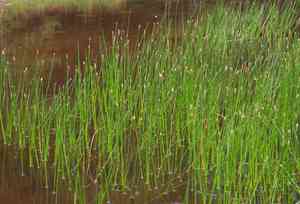
Eleocharis palustris flourishes in damp, boggy habitats, rendering its reproduction distinctive. This species is efficiently multiplied by means of division, which entails carefully detaching the clustered stalks and transplanting them into moist substrate. Root development typically happens organically, without requiring rooting compounds. The separated sections ought to be positioned just below the soil's top layer and must stay continuously immersed in water to encourage peak development.
Optimal Time for Common Spikerush Propagation
Propagation Method
Splitting
Propagation Period
Spring,Autumn
Tools for Common Spikerush Propagation
Sharp Knife or Pruning Shears
A keen knife or pruning shears are essential for making clean cuts through the rhizomes of common spikerush during division. Precise cuts help prevent disease and reduce plant stress, promoting faster recovery and growth after propagation.
Watering Can with Fine Rose
Post-division, it's vital to keep common spikerush well-hydrated to ensure establishment in its new setting. A watering can with a fine rose attachment provides gentle irrigation that won't disturb the soil or newly planted divisions.
Garden Fork
A garden fork is useful for loosening the soil around common spikerush before attempting division. This facilitates lifting the plant with minimal root damage, crucial for the successful establishment of new plants.
Transplanting Trowel
Used for digging planting holes and moving common spikerush divisions to new locations. A transplanting trowel with depth markers aids in placing divisions at the correct depth, fostering better root development and plant stability.
Garden Hose with Mist Setting
Important for initial watering and creating a humid environment that helps common spikerush recover and grow after propagation. The mist setting is gentle and assists in hydrating plants without eroding soil or disturbing roots.
Rooting Hormone (optional)
Though not mandatory, rooting hormone can help common spikerush divisions establish more quickly and effectively by stimulating root growth. This is especially beneficial in less ideal growing conditions or if divisions appear weak.
How to Propagate Common Spikerush?
Propagation Type
Simple
Caring for Your Newly Propagated Common Spikerush
Caring for Your Newly Propagated Common Spikerush?
After propagation, maintain high soil moisture levels for common spikerush, as it thrives in wet conditions. Regularly check soil moisture and water as needed to prevent drying out. Minimal fertilization is required, but ensure the planting area is weed-free to reduce competition for nutrients and light. Monitor plants for signs of stress or pests and manage them to ensure healthy growth.
Common Mistakes to Avoid When Propagating Common Spikerush
Overwatering
While common spikerush thrives in moist environments, excessive water can lead to root rot or fungal diseases. These issues hinder rooting and growth, compromising the plant's health and its chances of successful propagation.
Insufficient light
Common spikerush requires balanced light conditions. Too much shade can reduce common spikerush's growth vigor, while overly intense sunlight may scorch the plant and dehydrate it quickly, especially in non-aquatic setups.
Using unsuitable soil mix
Choosing the wrong type of soil, particularly one that doesn't retain moisture well, can impact common spikerush's ability to establish a robust root system. Poor soil can lead to weak growth and decreased survival rates during propagation.
Ignoring division timing
Failing to propagate common spikerush at the correct developmental stage can result in poor establishment and growth. Mature enough segments of common spikerush should be selected to ensure better adaptability and success in new environments.
Tips For Propagating Common Spikerush
Proper water management
Ensure the soil or growing medium remains consistently moist but not waterlogged. Utilizing setups that mimic natural boggy conditions can help maintain the ideal moisture level for common spikerush.
Appropriate lighting
Provide bright, indirect light or soft full sun, depending on the setup, to ensure optimal growth and development. This helps common spikerush photosynthesize efficiently without the risk of desiccation or scorching.
Suitable soil selection
Use a soil mix that is rich in organic matter and capable of retaining moisture. Peat-based or similar substrates can offer the water retention and texture needed for the healthy growth of common spikerush.
Timely division
Propagate common spikerush by division during its active growth phase when it is robust enough to withstand handling and replanting. Ensuring divisions have adequate root systems before separating will increase the chances of successful establishment.



