How to Prune Silverberry?
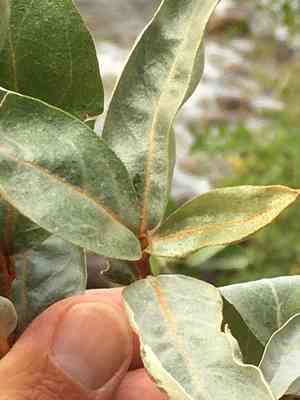
Recognized for its silvery-green leaves and golden blossoms, silverberry flourishes with appropriate attention. Perform pruning in early spring prior to the emergence of new shoots. Initially, remove any deceased or compromised branches, then sculpt to your preference, preserving its inherent shape. Limit the removal of live wood to a maximum of one-third to prevent undue strain. Trimming improves air circulation, light exposure, and results in a more robust, visually appealing bush. Refrain from making cuts late in the season, as this might stimulate delicate growth vulnerable to freezing injury.
Advantages of Trimming Silverberry
Advantages of Trimming Silverberry
Trimming silverberry promotes robust development and maintains its form. Strategic cuts enhance air circulation, lower disease risk, and stimulate fresh, healthy shoots, leading to a strong, visually appealing shrub.
Optimal Period for Pruning Silverberry
Optimal Period for Pruning Silverberry
Pruning silverberry in early spring is advisable as it coincides with the end of its dormant phase and the start of its active growth. This timing allows silverberry to recover from cuts before new growth emerges, minimizing stress and disease susceptibility. Furthermore, early spring pruning ensures that any flower buds on new wood remain intact, preserving the plant's aesthetic appeal and potential fruit yield.
Required Tools for Pruning Silverberry
Hand Pruners
Perfect for cutting silverberry's smaller stems and branches due to their precision and ease of use. Choose bypass pruners over anvil pruners for clean cuts that don't crush plant tissue.
Loppers
Effective for trimming thicker silverberry branches that hand pruners can't manage. They offer leverage to cut branches up to 2 inches in diameter.
Pruning Saw
Essential for silverberry's largest branches, which are too thick for hand pruners and loppers. A pruning saw simplifies managing woody growth without harming the plant.
Hedge Shears
Silverberry can form dense foliage, and hedge shears are suitable for shaping and controlling its overall size. They are particularly useful for formal hedge trimming or removing large amounts of soft growth.
Pole Pruner
For silverberry branches that are difficult to reach and require pruning from a distance. This tool helps ensure gardener safety and plant health when dealing with taller specimens.
How to Prune Silverberry
Remove Diseased Parts
Identify and eliminate any diseased leaves or branches from silverberry to prevent illness spread. Use clean, sharp pruning shears and make angled cuts just above a healthy bud or lateral branch.
Clear Dead Material
Cut away all dead or withered leaves along with dead branches on silverberry to maintain good air circulation and encourage healthy new growth. Ensure to cut back to live wood when removing dead branches.
Thinning
Thin out the inner branches of silverberry to improve light penetration and air flow throughout the plant. Focus on removing some of the older, centrally located branches by cutting them at their base.
Shaping
Shape silverberry by trimming back overgrown branches to maintain the desired size and form. Avoid removing more than one-third of the plant's total growth to keep silverberry healthy.
Clean Up
After pruning, clear all removed material from around silverberry to reduce the likelihood of disease and pest issues. Disinfect pruning tools after use to prevent cross-contamination.
Common Pruning Errors with Silverberry
Excessive Pruning
Removing too much growth from silverberry can stress the plant and lead to diminished health.
Dull Cutting Tools
Using blunt tools can result in ragged cuts that are vulnerable to disease and pests.
Incorrect Cut Locations
Cutting too far from a bud or node can leave a stub that risks die-back or infection.
Ignoring Plant Structure
Failing to consider silverberry's natural growth pattern can result in an unnatural appearance and compromise its structure.
Pruning Healthy Growth
Mistakenly pruning away healthy branches can reduce the vigor and fruiting potential of silverberry.
Shearing Habit
Shearing silverberry into strict shapes can damage the plant and detract from its natural beauty.
General Pruning Advice for Silverberry
Clean Cuts
Make clean cuts at a slight angle just above a healthy bud or leaf to promote proper healing and new growth.
Selective Pruning
Prune selectively to maintain silverberry's natural form by targeting overgrown, diseased, or damaged branches.
Tool Sanitation
Sanitize cutting tools before and after use to prevent the spread of diseases between plants.
Branch Removal
Thin out overcrowded branches to improve sunlight penetration and air circulation, enhancing the overall health of silverberry.
Rejuvenation
If silverberry requires rejuvenation, cut back the oldest branches to ground level to encourage new growth from the base.
Shaping Consideration
When shaping silverberry, follow its natural contour and ensure that any cuts enhance the plant's appearance and health.



