How to Propagate Silverberry?
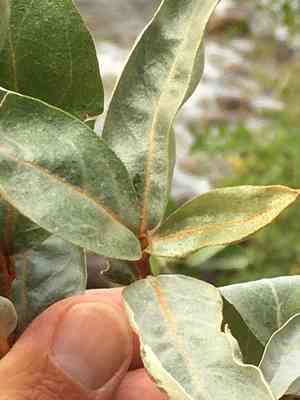
Elaeagnus is a robust bush recognized for its appealing leaves and durability. For the most effective propagation, employing semi-lignified cuttings has shown success. Verify that cuttings are sound, possessing multiple leaf nodes, and harvested from thriving sections of the donor plant. Submerging the severed tip in rooting compound can stimulate root formation. Insert the cuttings into a sandy, well-draining substrate, supplying steady hydration until roots take hold. Given appropriate attention, these cuttings will acclimate and mature into sturdy plants, embodying the inherent resilience of elaeagnus.
When Is the Best Time to Propagate Silverberry?
Propagation Method
Cutting
Propagation Period
Autumn,Winter
What Equipment Is Used in Silverberry Propagation?
Sharp Pruning Shears
Essential for making clean cuts from silverberry, sharp pruning shears help minimize damage to plant tissues, improving the chances of successful rooting. A clean cut ensures the plant's energy is directed towards healing and root development rather than fighting infections.
Rooting Hormone Powder
This increases the probability of successful root development when propagating silverberry through cuttings. The hormone stimulates root growth at the cut site, significantly enhancing the cuttingâs ability to establish and grow.
Sterile Potting Mix
A well-draining, nutrient-rich sterile potting mix offers an ideal environment for new roots to grow without the risk of soil-borne diseases. This is crucial for silverberry, as young cuttings are particularly susceptible to fungi and other pathogens.
Propagation Trays
Used to hold silverberry cuttings during the rooting process, these trays should have adequate drainage and be large enough to accommodate multiple cuttings without overcrowding, facilitating good air circulation and preventing mold growth.
Plastic Covers or Domes
These create a humid micro-environment around silverberry cuttings, helping maintain moisture levels and temperature, both critical factors in encouraging rooting. The cover also reduces water loss, allowing cuttings to stay hydrated with minimal watering.
Labeling materials (Markers and Tags)
Important for tracking silverberry propagation details, such as the cutting date and any specific treatments applied. Proper labeling aids in monitoring growth progress and maintaining an organized propagation setup.
How to Propagate Silverberry?
Propagation Difficulty
Moderately Difficult
How to Care for Your Newly Propagated Silverberry?
How to Care for Your Newly Propagated Silverberry?
After propagating silverberry, ensure it is planted in a sunny to partly shaded location with well-draining soil. Water regularly until established, then silverberry becomes quite drought-tolerant. Prune as needed to shape or remove dead or damaged branches. Fertilize sparingly, as silverberry fixes nitrogen and generally requires less fertilizer than other plants.
Common Mistakes to Avoid When Propagating Silverberry
Inadequate cutting selection
Using non-viable, diseased, or weak cuttings can lead to poor rooting and propagation failure. It is crucial to select healthy, mature stems for propagation.
Overwatering cuttings
While maintaining moisture is important, overwatering can lead to rot and fungal issues, resulting in cutting mortality. Balance is key to ensure successful rooting.
Neglecting hygiene
Failing to use sterile tools and containers can introduce pathogens and contaminants, thus impeding the propagation process and risking plant health.
Ignoring rooting hormone
Skipping the use of a rooting hormone can significantly reduce the chances of successful rooting, especially for hardwood cuttings that may be more difficult to propagate.
Tips For Propagating Silverberry
Optimal cutting type
Select semi-hardwood cuttings that are healthy and robust since these have the best chance of rooting and establishing new silverberry plants.
Proper soil mixture
Use a well-draining soil mixture that retains just enough moisture without becoming waterlogged to promote root development for silverberry.
Humidity maintenance
Maintain high humidity around the cuttings to prevent desiccation without promoting waterlogged conditions, using tools like misting or humidity domes.
Appropriate light levels
Provide bright, indirect light to silverberry cuttings to encourage growth while avoiding direct sunlight that may overheat or dehydrate them.



