The Silverberry Plant Advantage: Maximizing Home and Office Appeal and Wellness
1
Silverberry tolerates dry conditions well, making it perfect for water-wise landscaping.
2
Its fruit is safe to eat and packed with essential vitamins and minerals.
3
Silverberry significantly enhances soil quality due to its ability to fix nitrogen.
Why is Silverberry Perfect for Water-Wise Landscaping?
Outstanding Drought Tolerance
Silverberry exhibits high resistance to dry conditions, making it an excellent choice for xeriscapingâa landscaping approach focused on minimizing irrigation needs. Its deep root system enables it to access moisture and nutrients deep in the soil, ensuring exceptional resilience during periods of low rainfall. This characteristic not only conserves water but also significantly lowers upkeep expenses.
Soil Erosion Prevention
A notable advantage of Silverberry is its capacity to prevent soil erosion. The plant's extensive root network stabilizes the earth, stopping it from being washed away during heavy precipitation. This makes Silverberry invaluable in land management, especially in areas prone to soil degradation. By planting Silverberry, you can effectively safeguard your landscape from the damaging effects of erosion.
How Does Silverberry Enhance Soil Quality?
Nitrogen-Fixing Capabilities
Silverberry belongs to a category of plants known as nitrogen fixers. This means it can convert atmospheric nitrogen into a form that plants can utilize, thereby enriching the soil. When planted in gardens or landscapes, Silverberry boosts soil fertility, reducing the necessity for synthetic fertilizers. This not only promotes healthier plant development but also encourages more sustainable gardening practices.
Improved Soil Structure
The presence of Silverberry in the soil improves its structure by increasing its organic matter content. This leads to better soil aeration and water retention, creating a more favorable environment for other plants to flourish. Consequently, Silverberry acts as a natural soil conditioner, making it an excellent addition to any garden or landscape.
Why Are Silverberry Berries Nutritionally Significant?
Rich in Essential Nutrients
Silverberry berries are not only edible but also packed with vital vitamins and nutrients. They are a significant source of vitamin C, antioxidants, and other crucial nutrients that support good health. Consuming these berries can strengthen your immune system and offer a natural alternative to commercial vitamin supplements.
Culinary Applications
Beyond their nutritional value, Silverberry berries can be used in various cooking applications. They can be consumed fresh, dried, or incorporated into recipes for jams, jellies, and sauces. Their distinct flavor adds a delightful twist to dishes, making them a versatile ingredient in the kitchen.
How Does Silverberry Support Biodiversity?
Attracts Pollinating Insects
Silverberry is known to draw in a variety of pollinators, including bees, butterflies, and other beneficial insects. Its blossoms provide nectar and pollen, creating a habitat that supports pollinator populations. This, in turn, promotes biodiversity by ensuring the pollination of other plants nearby.
Wildlife Sanctuary
The dense foliage and berries of Silverberry offer refuge and sustenance for various wildlife species. Birds, in particular, are drawn to the plant for its edible berries and protective cover. By integrating Silverberry into your landscape, you can establish a thriving habitat that supports a diverse range of wildlife.
Can Silverberry Be Used for Visual Landscaping?
Decorative Appeal
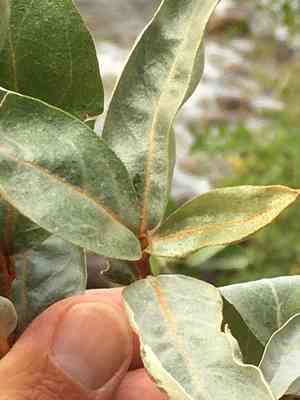
Silverberry features attractive silvery foliage and a distinctive growth habit, making it an excellent choice for ornamental landscaping. Its silver-hued leaves add texture and color contrast to gardens and landscapes, enhancing visual appeal. Whether utilized as a hedge, screen, or focal point, Silverberry brings a touch of elegance and charm to any outdoor area.
Design Adaptability
Silverberry is highly adaptable in its design uses. It can be trained as a shrub or a small tree, depending on your landscaping requirements. Its ability to thrive in various soil types and environmental conditions makes it suitable for a wide array of design contexts. Whether you're aiming for a formal garden or a naturalized landscape, Silverberry can be seamlessly incorporated to achieve your aesthetic objectives.



