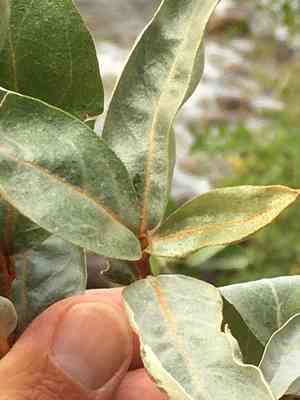
Silverberry (Elaeagnus commutata)
Also known as: Silverberry, Wolf-willow
Incorporating silverberry (*Elaeagnus commutata*) into your garden or natural habitat offers numerous advantages:
1. **Soil Enrichment**: This shrub improves soil fertility through nitrogen fixation, enhancing the growth of surrounding plants.
2. **Wildlife Habitat**: Silverberry provides essential winter food for wildlife such as birds, deer, moose, and elk, and its dense foliage offers excellent cover.
3. **Resilience**: Known for its drought tolerance and hardiness, silverberry thrives in challenging conditions with minimal water requirements.
4. **Erosion Prevention**: Its robust root system helps in stabilizing soil, effectively preventing erosion.
5. **Visual Appeal**: With its distinctive silvery leaves and fragrant flowers, silverberry adds unique aesthetic value to landscapes.
These traits make silverberry a versatile and beneficial addition to both gardens and natural settings.
Attributes of Silverberry
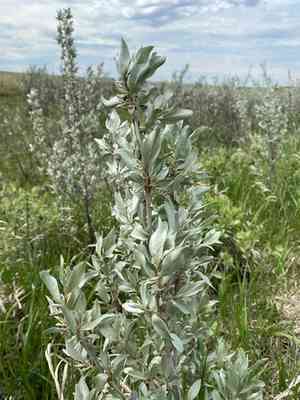
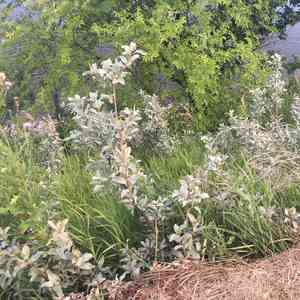
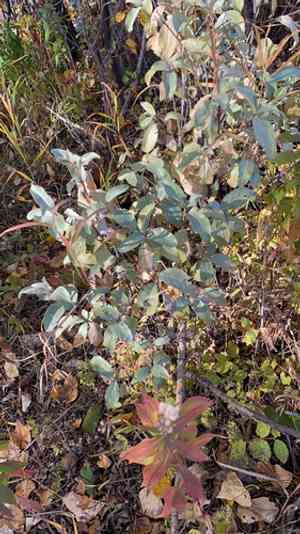
Images of Silverberry

 How to Water Silverberry?
  What Are the Sunlight Requirements for Silverberry?
  What Is the Ideal Temperature Range for Silverberry?
  What Soil is Best for Silverberry?
  How to Fertilize Silverberry?
  How to Prune Silverberry?
  How to Propagate Silverberry plant?
 How to Repot Silverberry plant?



