Enhancing Your Garden Design with the Silverberry Plant: A Landscaping Guide
1
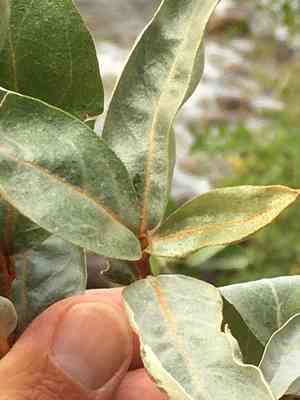
Silverberry brings a distinct aesthetic appeal to gardens through its metallic-hued leaves.
2
This species readily adjusts to diverse ground conditions, positioning it as a flexible option.
3
Simple to look after, Silverberry needs little attention after it has settled in.
Why Opt for Silverberry in Your Garden?
Understanding Silverberry's visual charm
The distinct silver-hued foliage of Silverberry is a striking characteristic that can distinguish your garden. This unique coloration can create a beautiful contrast with the greens and other shades typically found in gardens, positioning Silverberry as a focal point in your landscape design. Furthermore, its delicate, shimmering leaves capture sunlight, adding a gentle sparkle to your outdoor area.
Advantages of Silverberry in landscape design
Silverberry isn't merely an attractive plant in the garden; it offers several practical benefits too. It's a resilient plant capable of thriving in poor soil conditions, making it an excellent choice for challenging garden spots. Its drought tolerance once established means it requires less water, suiting eco-conscious gardening. Moreover, Silverberry can enhance soil quality through its nitrogen-fixing capability, boosting nutrient content in the surrounding soil, thus promoting healthier plant growth overall.
Ease of incorporation into diverse garden aesthetics
Silverberry's adaptable nature allows it to seamlessly integrate into a wide range of garden styles, from contemporary minimalist designs to more traditional or cottage garden aesthetics. Its compact size and manageable growth habit make it ideal for both small urban gardens and expansive rural landscapes. Whether utilized as a standalone feature or blended into mixed borders, Silverberry enhances a garden's visual appeal and structural composition.
Designing with Silverberry: A Step-by-Step Guide
Initial considerations and planning for Silverberry
Before planting Silverberry, assess your garden's layout and existing flora. Determine where Silverberry's distinctive foliage will have the greatest impact. Consider the sunlight and soil conditions in various areas of your garden, as these will influence the plant's development and appearance. Draft a plan, incorporating Silverberry in locations where its silver leaves can offer a visual break or highlight specific sections of your landscape.
Selecting the optimal planting site for Silverberry
Silverberry flourishes best in locations providing full to partial sunlight. It adapts to various soil types, but well-draining soil will yield superior results. Plant Silverberry in areas that can benefit from its drought-resistant qualities, such as spots where other plants might struggle. Additionally, consider its mature size when choosing a planting location to ensure ample space for growth without overcrowding other plants.
Complementary plants and design elements
Pair Silverberry with plants featuring contrasting colors and textures to create a vibrant garden display. For instance, deep green foliage or flowering plants with bold hues can accentuate Silverberry's silver leaves. Ornamental grasses, perennials, and other drought-tolerant species make excellent companions. Incorporating elements like gravel paths, stone borders, or water features can further emphasize Silverberry's beauty in your landscape design.
Silverberry Maintenance Tips for Your Landscape
Seasonal care essentials
While Silverberry is relatively low-maintenance, seasonal care is crucial for its health and vigor. In early spring, prune any dead or damaged branches to encourage new growth. As temperatures rise, ensure the plant receives adequate water, but avoid overwatering to prevent root rot. In autumn, a light layer of mulch can help protect the roots during colder months.
Managing growth and spread
Silverberry can spread via suckers, so regular monitoring and pruning are necessary to control its growth. Prune the plant after its flowering season to maintain its shape and prevent it from becoming overly dense. If you notice any undesirable spreading, promptly remove the suckers. This not only manages the plant's size but also directs more energy into the main stems, resulting in a healthier appearance.
Common challenges and solutions
Despite its robust nature, Silverberry can encounter some issues, such as pests and diseases. Watch for signs of aphids or scale insects, and treat infestations promptly with suitable organic or chemical controls. Root rot can occur if the soil is too wet, so ensure proper drainage. If the foliage appears less vibrant, it might indicate nutrient deficiencies; a balanced fertilizer can help restore its health.
Visual Impact and Seasonal Changes of Silverberry
Silverberry's contribution to year-round garden appeal
Silverberry offers continuous visual interest, making it a valuable addition to any garden. Its silvery leaves are evergreen in many climates, providing consistent color and texture throughout the year. During spring and summer, its small, fragrant flowers can attract pollinators, while in autumn, the plant may produce small, edible berries that enhance its ornamental and ecological value.
How Silverberry transforms through the seasons
As the seasons progress, so does Silverberry's appearance. In spring, fresh new leaves emerge, adding a bright and lively quality to the garden. Summer sees the plant in full growth, with its foliage shimmering in the sunlight. In autumn, the silvery leaves may take on a deeper hue, and the appearance of berries provides additional visual interest. During winter, Silverberry maintains its structural beauty, offering a contrast against the dormant landscape.



